
Every pet owner hopes their animal stays healthy and happy. But sometimes, emergencies happen—and knowing when to call the vet can save your pet’s life. Many people worry about overreacting or missing signs of danger. What does a real emergency look like? What symptoms mean you should contact a vet right away? This guide will help you identify a pet emergency and decide when it’s time to seek professional help. With advice from veterinarians, you’ll learn how to spot trouble early, understand key symptoms, and handle urgent situations with confidence.
What Is A Pet Emergency?
A pet emergency is any sudden, serious problem that threatens your pet’s life or health. Emergencies can affect dogs, cats, and other animals. They often require immediate medical care. Common emergencies include accidents, poisoning, severe illness, or sudden collapse.
Veterinarians say that waiting too long can sometimes mean the difference between life and death. Not every symptom is an emergency, but certain signs should never be ignored. Some issues need urgent attention, while others can wait for a regular appointment.
Common Signs Of A Pet Emergency
Recognizing the symptoms of an emergency is vital. Here are the most important signs to watch for:
- Difficulty Breathing
- If your pet is gasping, panting heavily, or making strange noises, it may be a sign of a serious problem. Breathing issues can be caused by allergies, heart failure, or choking.
- Uncontrolled Bleeding
- Blood that won’t stop, especially from wounds, mouth, nose, or rectum, needs immediate attention. Even small animals can lose blood quickly.
- Seizures or Collapse
- Sudden fits, twitching, or losing consciousness are urgent symptoms. These can signal epilepsy, poisoning, or brain injury.
- Severe Vomiting or Diarrhea
- More than two episodes in an hour, or vomiting with blood, can lead to dehydration or shock. Chronic vomiting is dangerous in puppies and kittens.
- Inability to Stand or Walk
- If your pet struggles to move or appears paralyzed, it may be a sign of spinal injury, stroke, or severe arthritis.
- Swollen Abdomen
- A hard, painful belly can mean bloat, which is life-threatening in dogs. Cats may develop similar issues.
- Poisoning or Ingestion of Toxic Substances
- Eating chocolate, antifreeze, human medications, or certain plants can be fatal. Contact your vet immediately if you suspect poisoning.
- Difficulty Urinating or Defecating
- Straining, crying, or failing to pass urine or stool can mean a blockage, which is an emergency.
- Eye Injuries
- Any sudden swelling, bleeding, or loss of vision in one or both eyes needs fast treatment.
- Rapid Heart Rate
- If your pet’s heart is racing or they seem weak, it may signal heart disease or shock.
These symptoms mean you should call your vet right away. Even if you’re unsure, it’s better to get advice from a professional.
How To Assess Your Pet’s Condition
Some emergencies are obvious, but others are less clear. Use these steps to quickly assess your pet:
- Check Breathing and Heart Rate
- Is your pet breathing normally? Is their heart beating at a steady pace?
- Look for Injuries or Bleeding
- Inspect your pet for wounds, broken bones, or swelling.
- Check Responsiveness
- Is your pet alert, or do they seem confused or unresponsive?
- Monitor Mobility
- Can your pet stand, walk, or move without pain?
- Review Eating and Drinking Habits
- Has your pet stopped eating or drinking suddenly?
If you notice problems in any of these areas, call your vet. Keep calm and describe symptoms clearly.
When To Call The Vet: A Vet’s Advice
Veterinarians often say: “If you think it’s an emergency, it probably is.” Trust your instincts. Here are situations where you should call your vet immediately:
- Any symptom from the emergency list above
- Sudden change in behavior (confusion, aggression, lethargy)
- After an accident or fall
- If your pet has a chronic illness and symptoms get worse
- If your pet is very young, old, or pregnant
Many clinics have emergency phone lines. In some cases, it’s best to go straight to the veterinary hospital.
Comparison: Emergency Vs Non-emergency
To help you decide when to call, here’s a quick comparison:
| Emergency Symptoms | Non-Emergency Symptoms |
|---|---|
| Difficulty breathing | Mild coughing |
| Uncontrolled bleeding | Small scratch |
| Seizure or collapse | Limping after play |
| Poisoning | Refusing food for one meal |
| Swollen abdomen | Minor stomach upset |
If your pet shows emergency symptoms, call the vet immediately. For mild symptoms, monitor closely and contact the vet if things worsen.
Preparing For A Pet Emergency
Preparation can make handling emergencies easier and less stressful. Here are some practical steps:
- Know Your Vet’s Contact Details
- Keep the phone number and address handy.
- Have An Emergency Kit
- Include bandages, antiseptic, tweezers, and a leash.
- Learn Basic First Aid
- Knowing how to stop bleeding or clear airways can save time.
- Understand Common Risks
- Study the dangers for your pet’s breed, age, or lifestyle.
- Keep Poison Control Info
- Have numbers for poison control centers ready, especially if your pet is curious.
Data: What Owners Should Include In An Emergency Kit
| Item | Purpose | Recommended For |
|---|---|---|
| Bandages | Stop bleeding | All pets |
| Antiseptic wipes | Clean wounds | All pets |
| Tweezers | Remove splinters | Dogs, cats |
| Leash or carrier | Safe transport | Dogs, cats, rabbits |
| Gloves | Personal safety | All pets |
Having these items ready helps you act quickly during emergencies.
Common Mistakes Pet Owners Make
Many pet owners miss or ignore warning signs. Here are common mistakes:
- Waiting Too Long
- Hoping symptoms will improve can be risky.
- Self-Treating Serious Issues
- Home remedies may make things worse.
- Misunderstanding Symptoms
- Not all vomiting or limping is harmless.
- Not Describing Symptoms Clearly
- Vets need detailed information to help.
- Missing Breed-Specific Risks
- Some breeds are more prone to certain emergencies.
Avoid these mistakes by staying alert and asking your vet for guidance.
Credit: orangecountyemergencyvet.com
Real-life Examples: What Emergencies Look Like
To understand emergencies better, let’s look at real cases:
- Dog with bloat: A large dog suddenly develops a swollen belly and tries to vomit but cannot. The owner calls the vet and is told to come immediately. Surgery saves the dog’s life.
- Cat with poisoning: A cat eats a lily plant. The owner notices vomiting and lethargy. The vet treats the cat for kidney failure. Quick action prevents death.
- Rabbit with broken leg: After falling from a sofa, a rabbit cannot stand. The owner calls the vet and is advised to come in. X-rays reveal a fracture.
These examples show that fast action and knowing symptoms can help save lives.
How To Talk To The Vet During Emergencies
When you call the vet, use clear language. Here’s how:
- Describe symptoms exactly (“My dog is breathing very fast and cannot stand.”)
- Mention time and duration (“The problem started two hours ago.”)
- List any substances eaten (“My cat ate chocolate.”)
- Share breed, age, and medical history
- Ask if you should come immediately or wait
This information helps the vet decide on the best action.
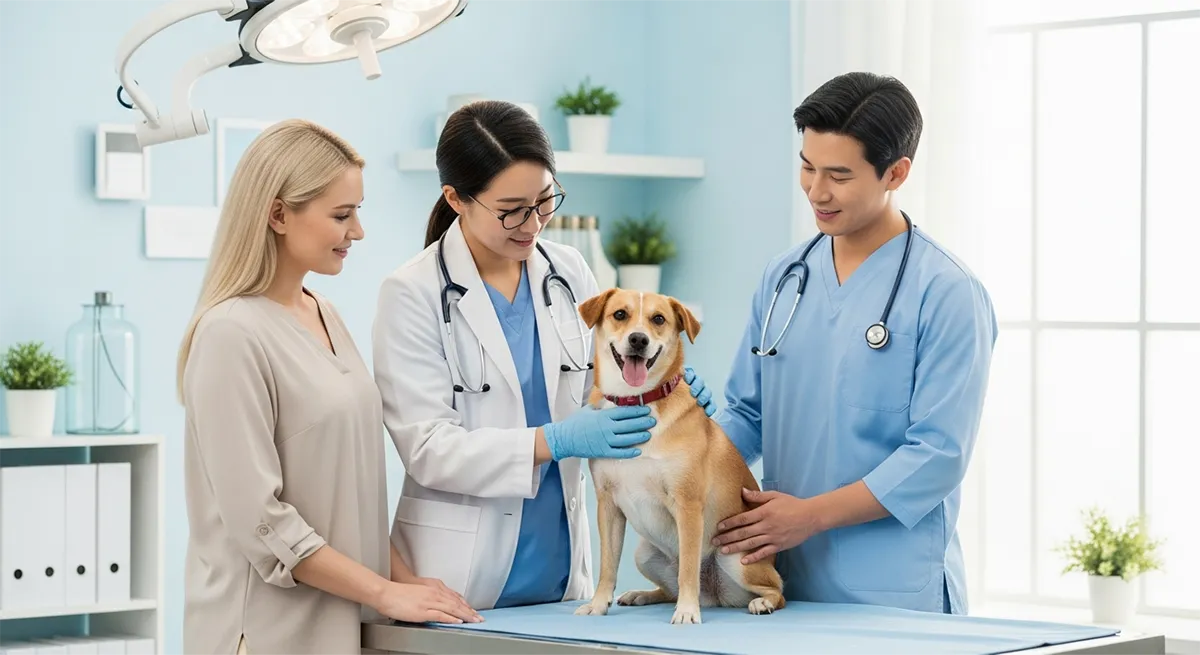
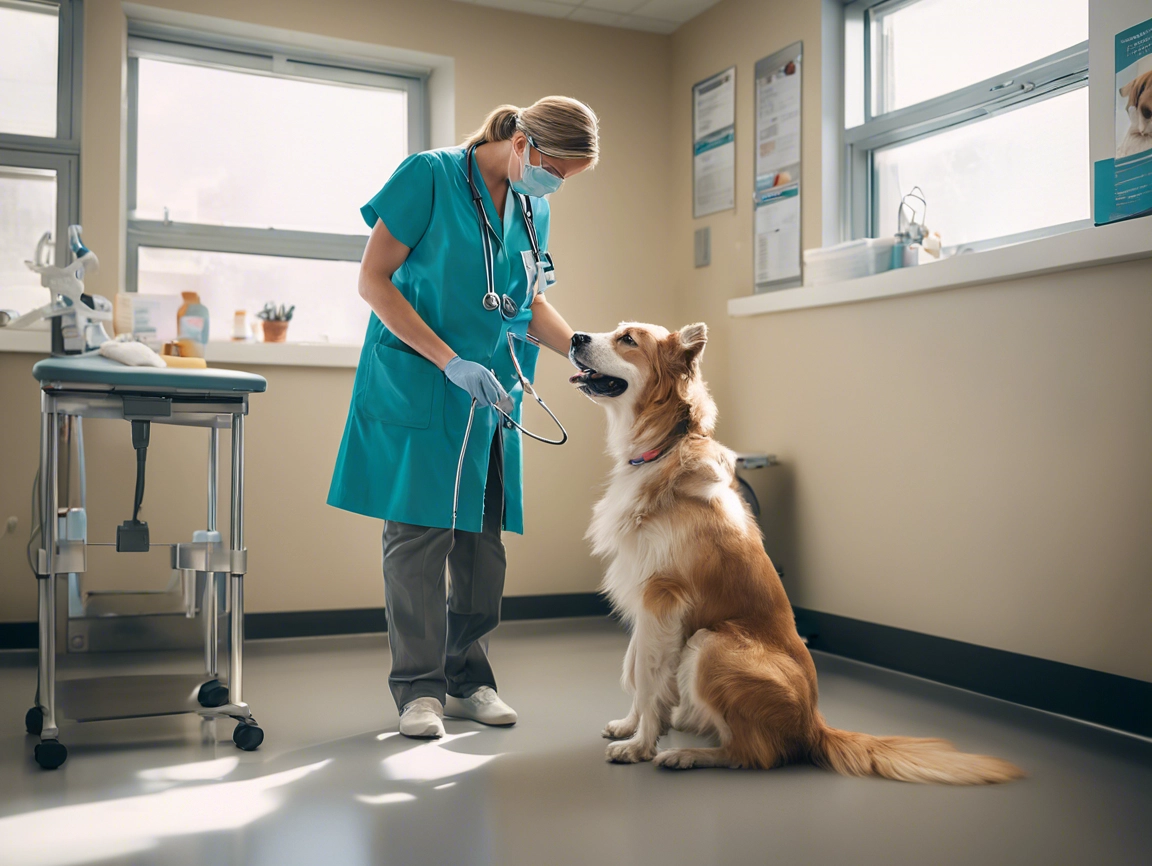
What To Expect At The Vet
During emergencies, the vet will:
- Check vital signs
- Examine wounds or injuries
- Ask about symptoms and history
- Start treatment quickly
Some pets need tests like bloodwork, x-rays, or ultrasound. In severe cases, surgery or hospitalization may be required.
Comparison: Typical Emergency Treatments
| Emergency Type | Initial Treatment | Possible Outcome |
|---|---|---|
| Poisoning | Activated charcoal, IV fluids | Recovery, hospitalization |
| Bloat (dog) | Surgery, decompression | Recovery, risk of complications |
| Fracture | Pain relief, splint | Surgery, healing over weeks |
| Seizure | Medications, monitoring | Stable, long-term care |
Knowing these treatments can help you prepare mentally and emotionally.
Non-obvious Insights Most Owners Miss
- Pets hide pain well: Cats and dogs may act normal even when in pain. Watch for subtle signs like hiding, refusing food, or licking wounds.
- Young animals are at higher risk: Puppies and kittens can go into shock quickly. Even mild symptoms can turn serious.
- Common household items are dangerous: Many owners don’t realize foods like grapes, onions, or even some plants can be toxic.
Credit: orangecountyemergencyvet.com
Where To Find Reliable Emergency Information
Always use trusted sources. Your vet is the best contact, but you can also visit AVMA Emergency Care Guide for expert advice.
Frequently Asked Questions
What If My Pet Has Eaten Something Toxic?
Contact your vet immediately. Provide details about the substance and the amount. Some toxins act fast, so quick action is essential.
How Can I Tell If My Pet Is In Shock?
Look for pale gums, rapid heartbeat, weakness, or collapse. Shock is life-threatening and needs urgent care.
Is Vomiting Always An Emergency?
No, but repeated vomiting, blood in vomit, or vomiting with weakness can be serious. Monitor your pet and call the vet if symptoms worsen.
What Should I Do If My Pet Has A Broken Bone?
Keep your pet still and avoid moving the injured limb. Call your vet. Don’t try to set the bone yourself.
Can I Give Human Medicine To My Pet In An Emergency?
Never give human medicine without vet approval. Some drugs can be toxic to animals.
Knowing how to spot a pet emergency and when to call the vet can make all the difference. Stay alert to your pet’s behavior, prepare for emergencies, and trust your instincts. With the right knowledge and quick action, you can keep your beloved animal safe and healthy for years to come.

Credit: orangecountyemergencyvet.com
