
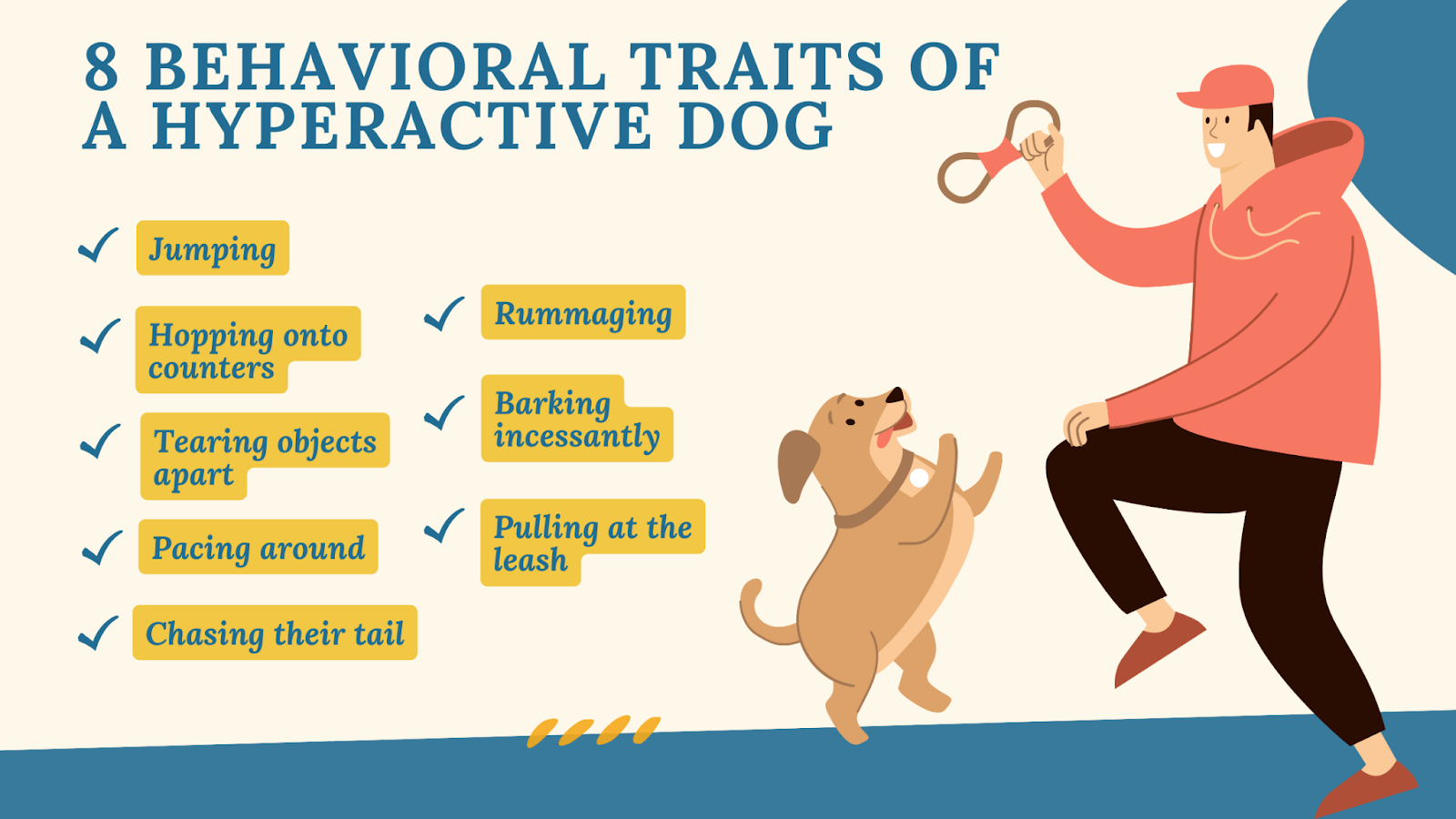
A hyper dog can turn a peaceful home into a whirlwind of chaos. Many owners feel helpless when their dog jumps on guests, barks non-stop, or races around the house. But you’re not alone—excess energy is one of the most common issues for dog owners worldwide.
The good news? Calming a hyper dog is possible with the right strategies, patience, and understanding. In this guide, you’ll discover practical steps, useful routines, and expert-backed tips to help your dog relax, listen, and enjoy a more peaceful life by your side.
Understanding Why Dogs Get Hyper
Before you can calm your dog, it’s important to know why they get so excitable. Hyperactivity in dogs often comes from a mix of energy, boredom, and sometimes genetics. Some breeds like Border Collies or Jack Russell Terriers are naturally more energetic, but even calmer breeds can show wild behavior if their needs aren’t met.
Dogs become hyperactive for several reasons:
- Lack of exercise: Dogs need both physical and mental activity.
- Boredom: Without stimulation, dogs find their own “fun”—often things you don’t like.
- Attention-seeking: Jumping or barking can be a way to get noticed.
- Anxiety: Some dogs act hyper when they feel stressed or insecure.
Knowing the cause helps you choose the right calming methods.
Physical Exercise: The Foundation Of Calm
Most hyperactive behavior starts with too much unused energy. If your dog doesn’t get enough exercise, they’ll try to burn it off inside your house.
How Much Exercise Does Your Dog Need?
This depends on age, breed, and health. For example:
- Young adult dogs (1-7 years): 1–2 hours of exercise daily
- High-energy breeds: Up to 2 hours or more
- Senior dogs: Less, but still regular walks
| Breed Type | Recommended Exercise (per day) | Example Breeds |
|---|---|---|
| Low Energy | 30–45 minutes | Bulldog, Basset Hound |
| Medium Energy | 60–90 minutes | Labrador, Beagle |
| High Energy | 90–120+ minutes | Border Collie, Australian Shepherd |
Tip: A tired dog is usually a calm dog. Start with an early morning walk and add playtime later in the day.
Credit: www.youtube.com
Mental Stimulation: Work Their Brain
Dogs don’t just need to run—they need to think. Mental stimulation can tire a dog as much as physical activity.
Enrichment Activities
- Puzzle toys: These make your dog “work” for their food. Try toys that hide treats inside.
- Training sessions: Teach new tricks or practice basic commands.
- Scent games: Hide treats around the house and let your dog sniff them out.
- Interactive play: Games like tug-of-war or fetch that require focus.
| Activity | Benefits | Recommended Frequency |
|---|---|---|
| Puzzle Toys | Reduces boredom, improves focus | Daily |
| Training Sessions | Strengthens bond, teaches patience | 2-3 times/week |
| Scent Games | Engages natural instincts | 2-3 times/week |
Dogs who think and learn each day tend to be more settled at home.
Establishing A Calm Routine
Dogs feel safe with routines. When your dog knows what to expect, they become less anxious and less likely to act out.
Elements Of A Good Routine
- Set meal times: Feed your dog at the same times each day.
- Regular walks: Walks at consistent times help manage energy.
- Quiet time: Build in periods for rest and relaxation.
Non-obvious insight: Many owners overlook the value of a simple “cool-down” period after play. Let your dog rest quietly for 10–15 minutes with a chew toy or soft music.
Training Calm Behaviors
Teaching your dog how to be calm is just as important as exercise. Dogs learn best through positive reinforcement—rewarding the behaviors you want to see.
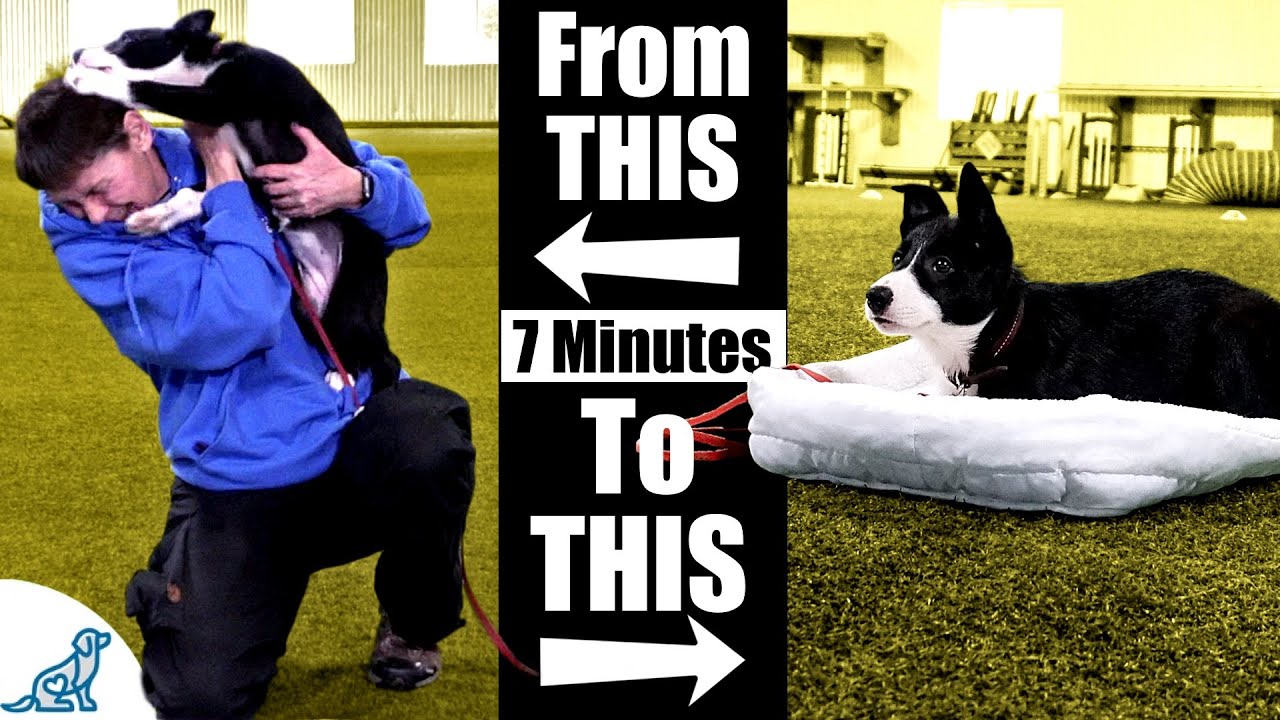
Teaching “settle” Or “calm”
- Choose a mat or bed where you want your dog to relax.
- Lead them there and say a calm cue, like “settle.”
- When your dog lies down or looks relaxed, reward with a treat and praise.
- Repeat daily, gradually increasing the time they stay calm.
Over time, your dog will associate the mat and the word with relaxation.
Reward Calm, Ignore Hyper
When your dog is calm—lying down, sitting quietly, or chewing a toy—give gentle praise or a treat. When they’re hyper (jumping or barking for attention), avoid giving eye contact or touching them. Attention can accidentally reward hyper behavior.
Avoiding Common Mistakes
Many owners try to calm a hyper dog in ways that actually make things worse. Avoid these mistakes:
- Yelling or scolding: This usually increases excitement or anxiety.
- Rough play: Wrestling or chasing can make hyper dogs even more excitable.
- Inconsistent rules: Don’t allow jumping “sometimes.” Be consistent.
- Overstimulation: Too many new toys or high-energy games can overwhelm your dog.
Non-obvious insight: Dogs can sense your mood. If you stay calm, your dog is more likely to calm down too.
Credit: www.volharddognutrition.com
Calming Aids And Tools
Sometimes, dogs need extra help to relax. There are tools and products designed to support calm behavior.
Popular Calming Products
- Snuffle mats: These encourage slow, focused sniffing for treats.
- Calming wraps or vests: Gentle pressure can reduce anxiety in some dogs.
- Soothing music: Classical or special dog-calming tracks help some dogs relax.
- Natural supplements: Products with ingredients like chamomile or CBD may help, but always consult your vet first.
| Product | How It Works | When To Use |
|---|---|---|
| Snuffle Mat | Engages sniffing instincts, slows eating | Meal times, boredom |
| Calming Vest | Applies gentle pressure, reduces stress | Storms, fireworks, travel |
| Calming Music | Creates a peaceful environment | Rest time, anxiety triggers |
Caution: Never use sedatives or calming products without your vet’s advice.
Socialization And Playdates
Dogs are social animals. Sometimes, hyperactivity comes from not having enough chance to interact with other dogs.
Arranging Safe Play
- Find a local dog park or trusted dog friends.
- Watch for signs of healthy play (loose body, relaxed tail).
- Limit play to 30–60 minutes to avoid overexcitement.
Tip: Social dogs often burn off more energy in 30 minutes with a friend than in hours alone.
Credit: dogloverstore.com
When To Seek Professional Help
If your dog’s hyperactivity seems extreme, or if you’ve tried these tips without improvement, it may be time to call in a professional.
Signs You Need Extra Help
- Destructive behavior (chewing furniture, digging)
- Aggression or biting
- Long periods of high anxiety
Dog trainers or behaviorists can create a plan tailored to your dog’s needs. In rare cases, medical issues like hyperthyroidism or neurological problems can cause excessive energy—see your vet if you suspect a health issue.
For more detailed information on dog behavior, check the ASPCA’s expert resources.
Frequently Asked Questions
How Long Does It Take To Calm Down A Hyper Dog?
It depends on the dog’s age, breed, and habits. Some dogs may calm down in a few weeks with consistent routines and exercise, while others need months of steady training. The key is patience and daily effort.
Is My Dog Hyper Or Just Playful?
Playful dogs have bursts of energy but also settle down easily. Hyper dogs have trouble calming down, may seem restless all day, and often ignore commands. If your dog can relax after play, they are likely just playful.
Can Certain Foods Make My Dog Hyper?
Yes, some foods high in sugar or artificial additives can increase hyperactivity, especially in sensitive dogs. Always choose high-quality dog food and avoid giving sweet treats or human food with artificial colors.
Should I Punish My Dog For Being Hyper?
No, punishment can make things worse by increasing anxiety or excitement. Focus on rewarding calm behavior and ignoring hyper actions, except when safety is a concern.
Are Some Breeds Always Hyper?
No breed is always hyper, but some, like Border Collies or Jack Russell Terriers, are more active by nature. With the right exercise, training, and routine, even the most energetic breeds can learn to relax at home.
Helping a hyper dog takes time, understanding, and consistency. But with these steps, you’ll see progress. Remember, every dog is different—some need more exercise, while others need more mental challenges. The most important thing is not to give up. With patience and love, your hyper dog can learn to be calm and happy, making life better for both of you.
