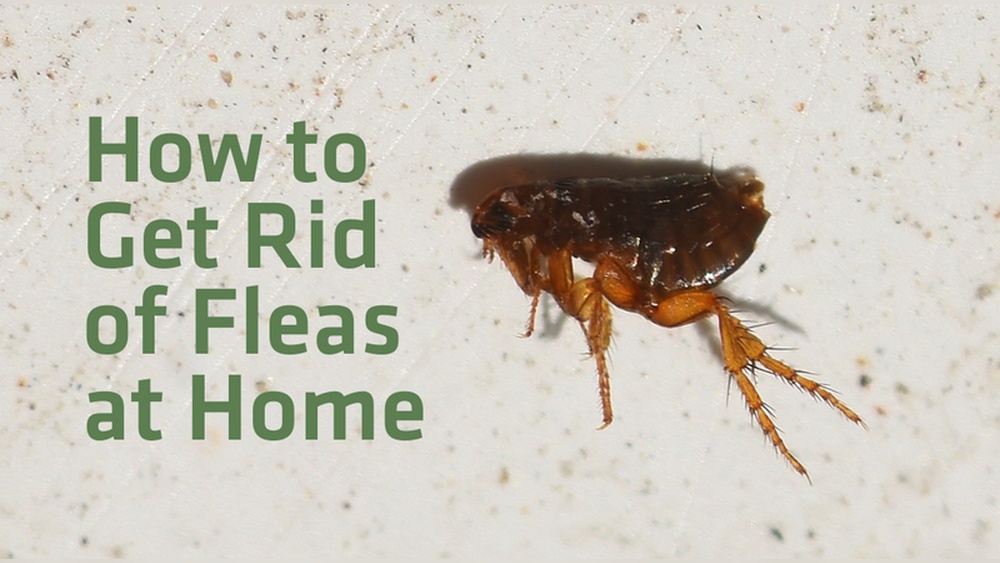
Fleas are tiny, quick insects that can cause big problems for both people and pets. If you have ever seen your cat or dog scratching more than usual, or noticed small bites on your ankles, fleas could be the reason.
These pests multiply quickly and can be hard to remove without a clear plan. But don’t worry—getting rid of fleas is possible if you understand how they live and follow the right steps. This guide will walk you through every important step, from recognizing an infestation to keeping your home flea-free for good.
Understanding Fleas And Their Life Cycle
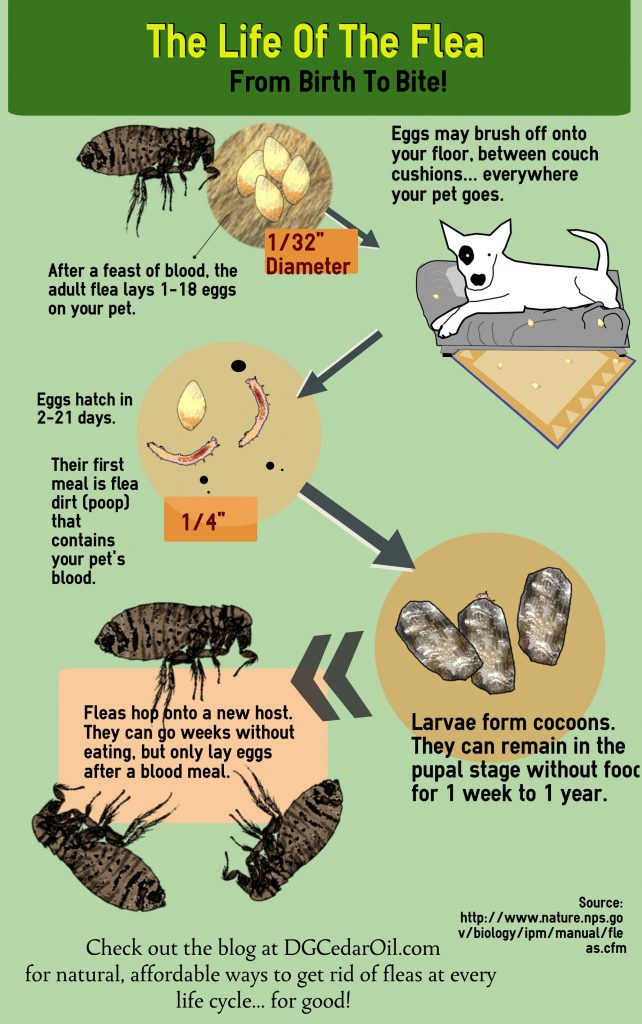
To stop fleas, you first need to know how they live. Fleas are not just a problem for pets—they can bite humans, too. Most fleas in homes are cat fleas (Ctenocephalides felis), even if you only have dogs.
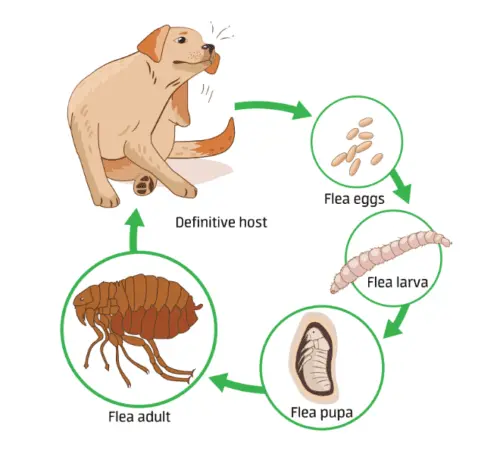
A single female flea can lay up to 50 eggs per day. These eggs fall off your pet and end up in carpets, bedding, and furniture. The eggs hatch into larvae, which hide in dark places. After about a week, they turn into pupae inside a sticky cocoon. Fleas can stay in this cocoon for weeks or even months, waiting for the right time to jump on a new host. This life cycle means you need to attack fleas at every stage—not just the adults.
Signs You Have A Flea Problem
Most people notice fleas when their pets start scratching. But there are other signs, too:
- Small red bites on your ankles or legs, often in groups of three
- Black “flea dirt” (flea droppings) on your pet’s skin or bedding
- Fleas jumping on your socks when you walk on carpets
- Patchy hair loss or scabs on pets
If you see any of these signs, act quickly. Fleas reproduce fast, so a small problem can turn into a big one in just a few weeks.
Credit: heritageppg.com
Step-by-step Guide To Get Rid Of Fleas
Getting rid of fleas takes time and effort, but you can do it. Here is a clear plan:
1. Treat Your Pets
The first step is always your pets, since they are the main food source for fleas.
- Use a vet-recommended flea treatment such as spot-on drops, oral tablets, or flea collars. Products with ingredients like fipronil, imidacloprid, or selamectin are very effective.
- Give your pet a bath with special flea shampoo to kill adult fleas.
- Use a flea comb daily to remove fleas and eggs from your pet’s fur.
- Wash your pet’s bedding in hot water at least once a week.
Many people forget to keep up with flea treatments after the first dose. But most products need to be used monthly for at least three months to break the flea life cycle.
2. Clean Your Home Deeply
Fleas do not just live on pets—they hide in your home, especially carpets, rugs, and furniture.
- Vacuum all floors, carpets, rugs, and furniture every day for at least 2 weeks. Pay special attention to places where pets sleep or rest.
- After vacuuming, empty the vacuum cleaner outside your home. Flea eggs can survive inside the bag or container.
- Wash all pet bedding, human bedding, and soft toys in hot water (over 60°C or 140°F).
- Use a steam cleaner on carpets and furniture. Steam kills all flea stages, including eggs and pupae.
Here’s a quick look at which household items to focus on:
| Household Item | Flea Risk Level | Cleaning Frequency |
|---|---|---|
| Pet Bedding | Very High | Weekly |
| Carpets/Rugs | High | Daily Vacuum |
| Sofas/Chairs | Medium | Weekly |
| Hard Floors | Low | Weekly |
3. Use Flea Sprays And Powders
To kill fleas in your home, you may need to use insecticides designed for indoor use.
- Choose sprays that contain insect growth regulators (IGRs) such as methoprene or pyriproxyfen. These stop flea eggs and larvae from becoming adults.
- Spray under furniture, along baseboards, and in corners—places where fleas hide.
- Some powders can be sprinkled onto carpets before vacuuming. Always follow the product instructions and keep pets and children away until it’s safe.
A common mistake is using only one type of spray or powder. For best results, combine products that kill adult fleas with those that stop young fleas from growing.
4. Treat Outdoor Areas
Fleas can live outside, especially in shady, moist spots where your pet likes to rest.
- Mow your lawn regularly and remove piles of leaves or debris.
- Treat shaded areas with pet-safe outdoor flea sprays, especially if your pet spends time there.
- Block wild animals (such as raccoons or stray cats) from entering your yard, as they can bring new fleas.
Outdoor treatment is often forgotten but is key if you want to stop fleas from coming back.
5. Repeat And Monitor
Getting rid of fleas is not a one-time job. Eggs and pupae can survive even after your first cleaning.
- Repeat deep cleaning, pet treatments, and spraying every 2-3 weeks for at least 2 months.
- Watch for signs of fleas on your pets and in your home.
- If you still see fleas after 6 weeks, consider hiring a professional pest control service.
Natural Remedies: Do They Work?
Many people want to avoid chemicals, especially if they have children or sensitive pets. Some natural remedies can help—but they are rarely enough on their own during a heavy infestation.
Popular options include:
- Diatomaceous earth: This powder dries out fleas’ bodies and kills them. Use only food-grade diatomaceous earth and avoid breathing in the dust.
- Baking soda and salt: Sprinkling these on carpets and then vacuuming can help dehydrate flea eggs.
- Essential oils: Some, like lavender or cedar, may repel fleas. But never use essential oils directly on pets—they can be toxic.
Natural methods work best as a support to regular cleaning and pet treatments, not as a replacement.
Common Mistakes When Fighting Fleas
Many people struggle with fleas for months because of these mistakes:
- Stopping treatment too soon: Flea eggs can survive for weeks. If you quit after only a few days, fleas will return.
- Treating only pets, not the home: Even if you kill all the fleas on your pet, new ones will hatch from carpets and jump back on.
- Ignoring outdoor areas: Fleas in the yard can keep coming inside.
- Not using the right products: Some over-the-counter products are not strong enough. Talk to your vet for the best options.
Flea Control Product Comparison
Choosing the right flea control can be confusing. Here’s a side-by-side comparison of common options:
| Product Type | How It Works | How Long It Lasts | Best For |
|---|---|---|---|
| Spot-on Treatments | Kills and repels fleas on pets | 1 Month | Dogs, Cats |
| Oral Tablets | Kills fleas in bloodstream | 24 hours to 1 month | Pets with sensitive skin |
| Flea Collars | Repels fleas, some kill eggs | Up to 8 months | Long-term prevention |
| Home Sprays/Powders | Kills eggs, larvae, and adults in home | Up to 6 months | Carpets, furniture |
| Flea Shampoos | Kills adult fleas on contact | Few days | Immediate relief |
Credit: www.dgcedaroil.com
Two Key Insights Most People Miss
First, even if you do not see fleas, the problem might not be gone. Flea pupae are hidden and can wait weeks before hatching. Keep cleaning and treating for at least two full months.
Second, flea control is not just about killing bugs—it’s about breaking the life cycle. If you only target adult fleas, you will never get ahead. Using products with insect growth regulators is crucial for lasting results.
Preventing Future Flea Infestations
Once you have cleared your home of fleas, prevention is easier than dealing with a full infestation.
- Continue monthly flea treatments for all pets, even in winter.
- Wash pet bedding and vacuum regularly.
- Check your pets for fleas after outdoor walks or visits to new places.
- Keep your yard tidy and free from wild animal visitors.
If you live in a warm climate, fleas can be active all year. Skipping treatments in winter is a common mistake that leads to new problems.
When To Call A Professional
If you have tried all these steps and still see fleas after six weeks, it may be time to call a pest control expert. Professionals have stronger products and know how to target hidden flea hotspots. This can be especially important in large homes or if you have health concerns.
The Centers for Disease Control and Prevention offers more information about flea control and prevention. For further reading, visit their official guide.
Frequently Asked Questions
What Is The Fastest Way To Get Rid Of Fleas?
The fastest way is to treat your pets with a vet-approved flea product, vacuum your home daily, and use a flea spray with an insect growth regulator. Repeat these steps for at least two weeks to break the life cycle.
Can Fleas Live On Humans?
Fleas do not live on humans, but they can bite people and cause itchy red spots. They prefer animal hosts but will bite humans if animals are not available.
How Long Does It Take To Get Rid Of Fleas?
It usually takes at least 4 to 6 weeks to fully remove fleas from your home, because you need to wait for all eggs and pupae to hatch and be killed. Consistent cleaning and treatment are key.
Are Natural Remedies Enough To Remove Fleas?
Natural remedies can help, but they rarely solve the problem alone. For heavy infestations, you need to use proven flea control products and clean your home deeply.
Can Fleas Come Back After Treatment?
Yes, fleas can return if you stop treatments too soon, skip cleaning, or forget to treat outdoor areas. Keeping up with regular prevention is the best way to stop fleas from coming back.
Getting rid of fleas takes effort and patience, but with the right steps, you can have a clean, comfortable home for you and your pets. Remember to treat both pets and your living space, and never let your guard down—fleas are persistent, but you can beat them for good.
Credit: mosquitojoe.com
