
Potty training a dog is a big step for both pets and owners. It can be exciting, frustrating, and sometimes confusing, especially if this is your first puppy or rescue dog. Many people wonder: How long does it take to potty train a dog? The answer depends on your dog, your training style, and a few hidden factors most owners don’t consider. This guide will walk you through the realistic timelines, what affects potty training speed, and smart tips to make the process easier for both you and your furry friend.
What Affects Potty Training Time?
Every dog is different, and so is every home. While some dogs learn within a few weeks, others can take months. Understanding what shapes the process will help you set better expectations and avoid common mistakes.
Age Of The Dog
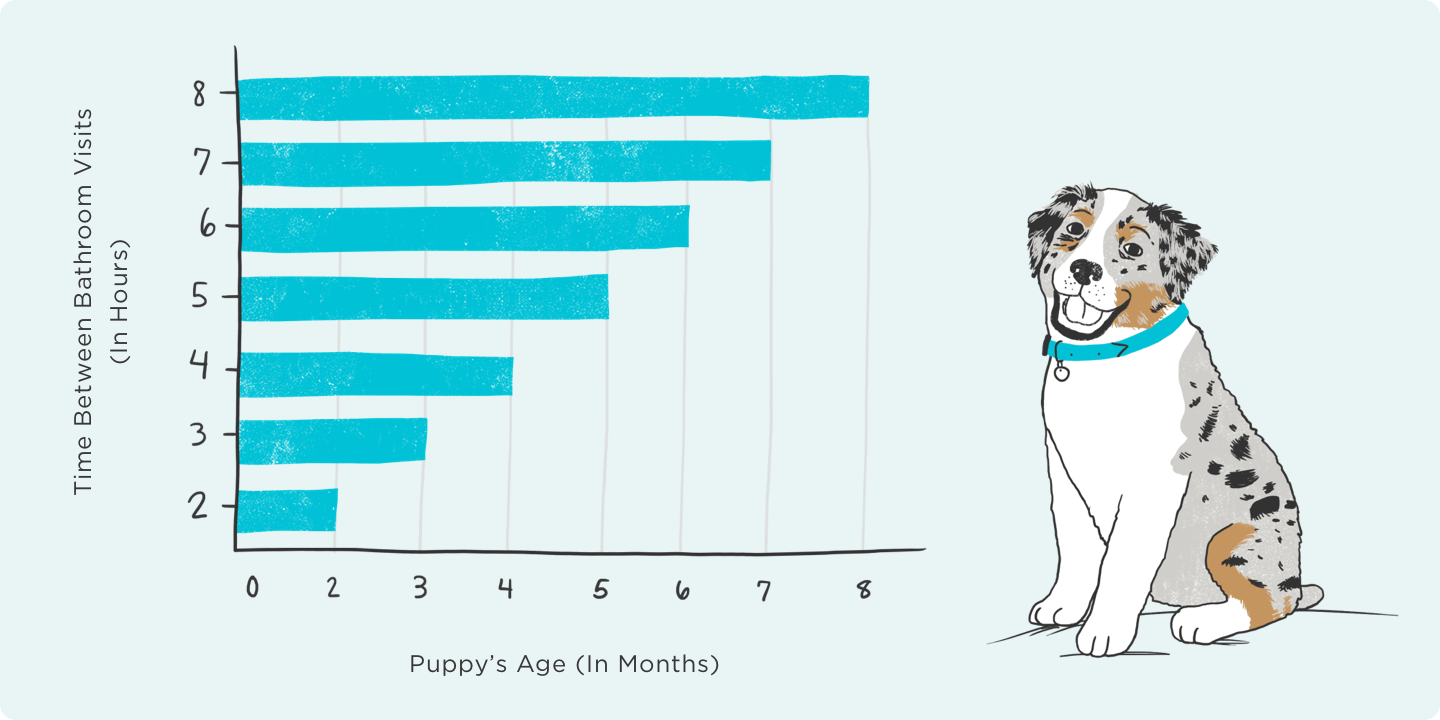
Puppies usually take longer to potty train than adult dogs. Their bladders are small, and they don’t have full control until about 4–6 months old. For most puppies, potty training takes between 4 to 8 weeks, but full reliability can take up to 6 months.
Adult dogs, especially rescues, often learn faster. They may already have some habits, but with consistent training, you might see progress in as little as 1–3 weeks.
Breed And Size
Small breeds like Chihuahuas or Yorkies often need more frequent potty breaks. Their tiny bladders can’t hold as much, so they may take longer to train than larger dogs like Labradors or Golden Retrievers.
Previous Training Or Habits
If your dog has been allowed to go wherever they want or has lived outdoors, it may take longer to teach new rules. Dogs with prior bad habits need extra patience.
Your Consistency
Consistent routines are key. If everyone in the home follows the same plan, training is much faster. But if rules change, or potty breaks are missed, your dog will take longer to learn.
Environment
A calm, predictable space helps dogs learn. If you move houses, travel, or have a busy household, your dog may need extra time to adjust.
Typical Potty Training Timelines
Let’s look at how long it usually takes for different types of dogs to learn potty training. Realize these are averages; your dog may be faster or slower.
| Dog Type | Average Time to Potty Train | Notes |
|---|---|---|
| Puppy (8–12 weeks) | 6–12 weeks | Need frequent breaks; accidents are common |
| Puppy (3–6 months) | 4–8 weeks | Control improves, but accidents still happen |
| Adult dog (never trained) | 2–4 weeks | May learn faster, but may have old habits |
| Rescue dog (with some training) | 1–3 weeks | Often quick learners if routine is clear |
| Small breeds | 8–16 weeks | Bladder size means more frequent training |
Step-by-step Potty Training Process
Success in potty training comes from following a plan and sticking to it. Here’s a simple step-by-step approach that works for most dogs.
1. Set A Regular Schedule
Take your dog out at the same times every day. Good times include:
- First thing in the morning
- After meals or drinking
- After playtime
- Before bed
2. Choose A Potty Spot
Pick one outdoor spot for your dog to use. This helps them connect the area with going potty.
3. Use Simple Commands
Pick a phrase like “Go potty” or “Do your business. ” Use it every time you take your dog out, so they learn what you expect.
4. Reward Immediately
Always reward your dog right after they finish, not after coming back inside. Use treats, praise, or a favorite toy.
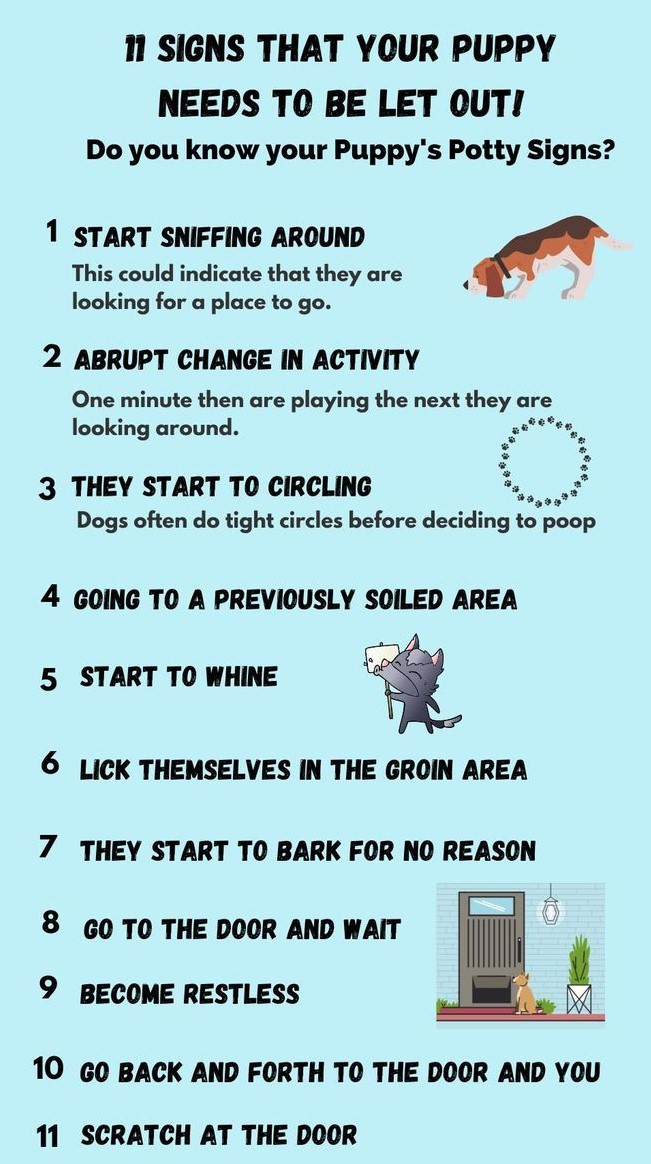
5. Watch For Signs
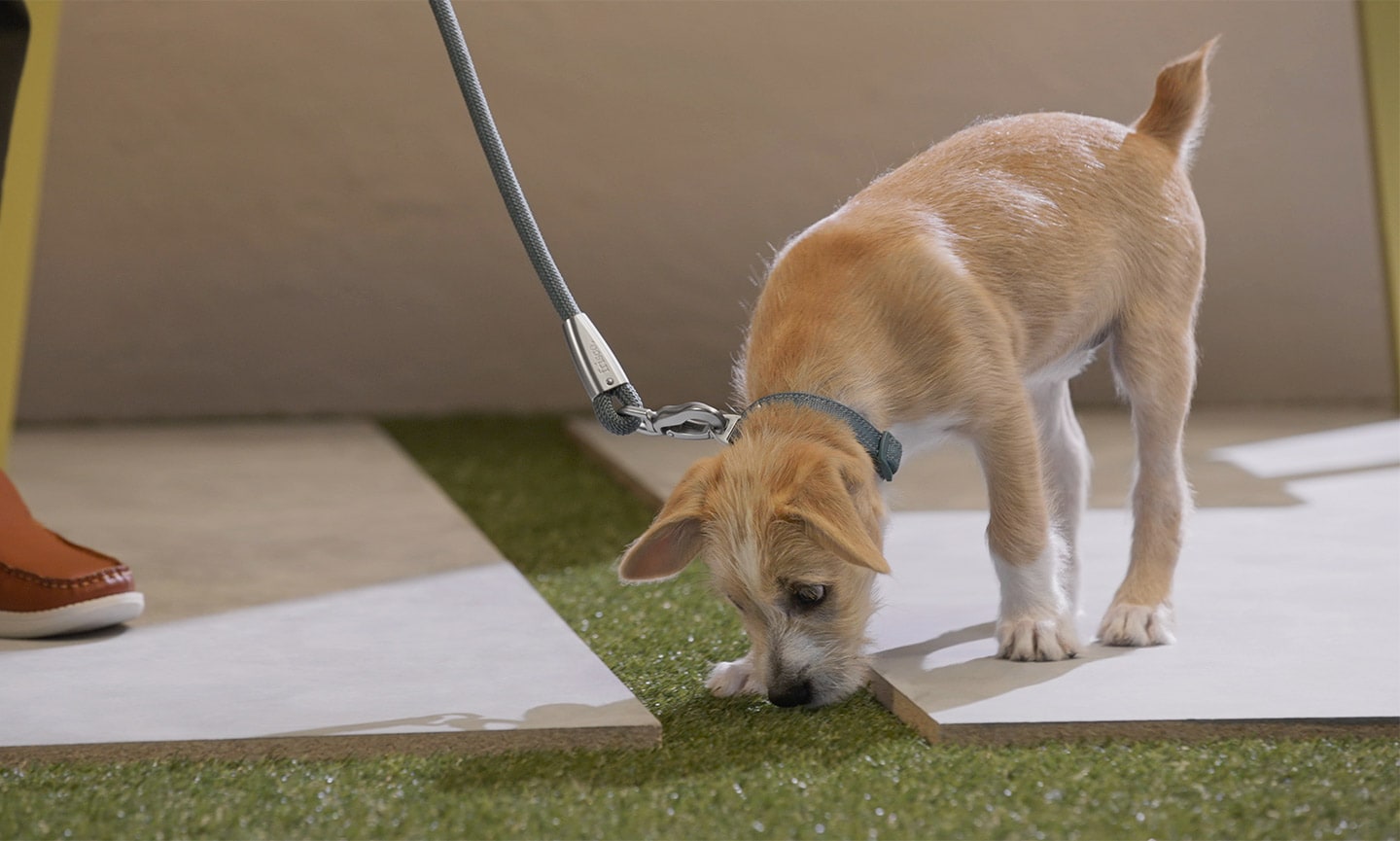
Look for sniffing, circling, or whining. These are signs your dog needs to go. Get them outside quickly.
6. Supervise Indoors
Keep your dog in sight. Use baby gates or a leash if needed. If you can’t watch them, use a crate or safe space.
7. Clean Accidents Properly
If there’s an accident, clean the area with an enzyme cleaner. This removes smells that might attract your dog to go there again.
How Do You Know Potty Training Is Working?
You’ll notice fewer accidents, and your dog will start going to the door or signaling when they need to go out. Some dogs even bark, scratch, or sit by the door. Consistent success for at least 2–4 weeks is a good sign your dog is reliably potty trained.
Credit: www.osons-a-stmalo.com
Common Mistakes That Slow Down Potty Training
Many owners make simple errors that can add weeks to training. Here are the biggest ones to avoid:
- Punishing after accidents: Dogs don’t understand punishment after the fact. It only creates fear.
- Inconsistent schedule: Skipping potty breaks or changing meal times confuses your dog.
- Not supervising: If your dog roams the house, accidents are likely.
- Missing signs: Ignoring your dog’s cues means missed potty breaks.
- Not cleaning accidents well: Leftover smell encourages repeat mistakes.
- Expecting too much too soon: Puppies and small breeds need time. Don’t rush.
Signs Your Dog Is Ready For More Freedom
After a few weeks of no accidents and consistent signaling, you can slowly give your dog more space. Start with one room, then add more as they succeed. Always go back to stricter supervision if accidents return.
Crate Training And Potty Training
Crate training is a helpful tool for many families. Dogs naturally avoid soiling their sleeping space. If used correctly, a crate can speed up potty training.
| Crate Training Benefit | How It Helps Potty Training |
|---|---|
| Builds bladder control | Dog learns to hold it until let out |
| Prevents accidents when unsupervised | Limits opportunities to go inside |
| Creates routine | Helps set regular potty times |
A crate should be big enough for your dog to stand, turn, and lie down, but not so big that they can use one corner as a bathroom.
House Training Older Dogs: Special Considerations
Older dogs can learn new habits, but patience is key. Sometimes they have medical issues like weak bladders or arthritis. If accidents continue despite consistent training, a vet check is a smart step.
For seniors, use these tips:
- Take more frequent potty breaks
- Keep the path to the door clear
- Use pee pads or indoor grass as a backup
- Watch for signs of discomfort
Credit: www.chewy.com
Two Non-obvious Insights Most Owners Miss
1. Diet and water schedule matter. Feeding and watering your dog at the same times every day helps you predict when they need to go. Free-feeding (leaving food out all day) makes potty training much harder.
2. Weather changes can cause setbacks. Rain, snow, or extreme heat may make your dog avoid going outside. Be ready to supervise more closely and reward outdoor potty trips, even if your dog was doing well before.
When To Seek Professional Help
If your dog is over six months old and still having regular accidents, or if you see signs of stress or anxiety, a professional dog trainer or veterinarian can help. Sometimes medical problems or deep-set fears need expert support.
Potty Training: Quick Facts And Data
Here are some fast facts that help put potty training in perspective.
| Fact | Details |
|---|---|
| Average age for full control | 4–6 months (puppies) |
| Usual number of potty breaks/day | 4–8 (young puppies), 3–5 (adults) |
| Percentage of dogs fully trained by 6 months | About 80% |
| Most common cause of slow training | Inconsistent routines |
Frequently Asked Questions
How Long Does It Take To Potty Train A Puppy?
Most puppies need 4 to 8 weeks to learn, but full reliability can take up to 6 months. Small breeds may take longer due to their bladder size.
Can Older Dogs Be Potty Trained?
Yes, older dogs can be potty trained. They may learn faster if they already have some house habits, but expect it to take a few weeks. Medical issues can slow progress.
What If My Dog Keeps Having Accidents?
If accidents continue, check your routine for gaps. Are you supervising enough? Are you cleaning properly? If you’re consistent and accidents still happen, see a vet to rule out medical problems.
Does Crate Training Help Potty Training?
Crate training is very helpful for most dogs. It encourages them to hold their bladder until taken outside and prevents unsupervised accidents. Make sure the crate is the right size.
Should I Punish My Dog For Accidents?
Never punish your dog for potty accidents. They don’t connect the punishment with the act, and it may cause fear or confusion. Focus on supervision and rewards for good behavior instead.
Potty training is a journey, not a race. With patience, consistency, and a bit of planning, every dog can learn. Remember, setbacks are normal, and even a well-trained dog may have accidents during big changes or stress. The key is to stay calm, stick to your plan, and celebrate each step forward. For more in-depth guidance, visit the Humane Society’s housetraining resource. With the right approach, you and your dog will enjoy a cleaner, happier home together.
Credit: www.zoetispetcare.com
