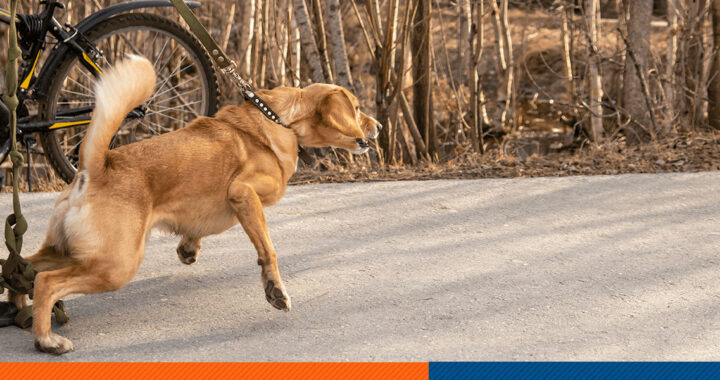
Many dog owners know the struggle: you step outside, leash in hand, and your dog suddenly becomes a different animal—barking, lunging, or growling at people, dogs, bikes, or even leaves blowing in the wind. This is called reactivity. It can feel stressful and even embarrassing, but the good news is that a reactive dog can learn to stay calm. With patience, knowledge, and practice, you can help your dog feel safer and behave better. This guide will show you proven, practical ways to calm a reactive dog, so walks and daily life become more enjoyable for both of you.
Understanding Reactivity In Dogs
Reactivity means a dog overreacts to things in their environment. The trigger could be another dog, a person, a sound, or even a moving object. Reactivity is not the same as aggression, though they can look similar. Often, reactive dogs are scared or overly excited, not trying to hurt anyone.
Research shows about 40% of pet dogs show some form of leash reactivity, making it a common issue. It’s important to remember your dog is not “bad”—they are just struggling to cope with their feelings.
Common Triggers
- Other dogs
- Strangers
- Cars or bikes
- Loud noises
- New environments
Knowing your dog’s triggers is the first step to helping them.
Why Dogs Become Reactive
Dogs usually become reactive for a few main reasons:
- Lack of socialization: If a dog did not meet many people or dogs as a puppy, they may feel unsure or scared now.
- Bad experiences: If a dog was once attacked or scared, they may react strongly to similar situations.
- Genetics: Some breeds or lines are naturally more sensitive.
- Health issues: Pain or illness can make a dog less tolerant.
Understanding why your dog reacts can help you choose the best way to help them.
Credit: www.olk9md.com
Key Principles To Calm A Reactive Dog
Before jumping into specific techniques, it’s important to follow these core ideas:
- Stay patient: Progress is slow and steady.
- Be consistent: Use the same methods every time.
- Reward calm behavior: Always praise or treat your dog when they stay calm.
- Never punish reactivity: Yelling or yanking the leash often makes things worse.
Management Vs. Training: What’s The Difference?
Many people confuse managing a dog’s behavior with actually changing it. Here’s a quick comparison:
| Management | Training |
|---|---|
| Prevents outbursts using tools or distance | Helps dog learn new, calm reactions |
| Short-term solution | Long-term change |
| Examples: using a muzzle, avoiding triggers | Examples: desensitization, counter-conditioning |
For best results, use both management and training.
Practical Steps To Calm A Reactive Dog
Let’s look at proven methods that help most reactive dogs.
1. Use The Right Equipment
Choose tools that give you control without causing pain. Avoid choke or prong collars, as these can make reactivity worse.
Popular choices:
- Front-clip harness: Reduces pulling and helps guide your dog.
- Head halter: Gives gentle control of your dog’s head, but needs careful introduction.
- Standard leash (4–6 feet): Avoid retractable leashes, which offer less control.
2. Create A Safe Distance
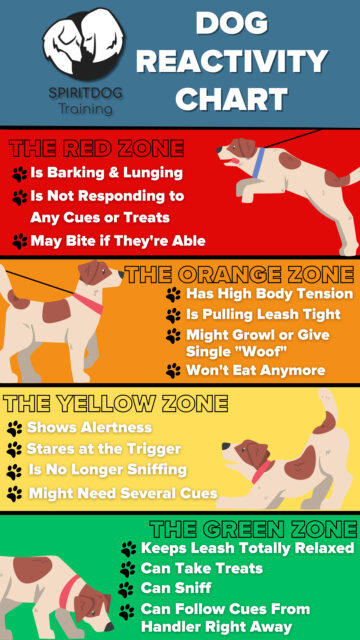
Every dog has a “threshold”—the distance where they notice a trigger but can still listen and eat treats. If your dog is already barking or lunging, you are too close.
- Start with your dog far from the trigger.
- Reward calm behavior with treats or praise.
- Slowly decrease the distance over weeks or months.
This is called “working under threshold,” and it’s key to making progress.
3. Teach Focus And Engagement
A reactive dog often gets stuck staring at their trigger. Teaching your dog to look at you instead can help.
Try this simple game:
- Hold a treat near your face.
- When your dog looks at you, say “yes!” and give the treat.
- Practice until your dog quickly looks at you when called.
This “Look at Me” or “Watch” command can help break their focus on the trigger.
4. Use Desensitization And Counter-conditioning
These are powerful techniques supported by animal behavior experts.
- Desensitization: Slowly expose your dog to their trigger at a low level.
- Counter-conditioning: Pair the trigger with something your dog loves, like treats.
For example, if your dog is scared of other dogs:
- Start far from another dog, where your dog notices but does not react.
- Give treats while the other dog is in view.
- Gradually get closer over sessions, always staying under threshold.
Over time, your dog will connect the trigger with good things, not fear.
5. Practice Calm Behaviors At Home
Teach your dog to settle on a mat or bed. This gives them a “safe place” and helps them learn to relax.
- Place a mat in a quiet spot.
- Lure your dog onto it with a treat.
- When they lie down, give more treats.
- Add a word like “settle” or “relax.”
Practice daily, then use this skill in more distracting places.
6. Avoid Triggers When Possible
Prevention is often easier than fixing a problem. Walk your dog during quiet times, choose less crowded routes, or use barriers like hedges.
If you know your dog will react, don’t force them into the situation. Each outburst sets back your progress.
7. Build Confidence
Some reactive dogs are simply insecure. Activities like agility, puzzle toys, or scent games can build confidence and give your dog a healthy outlet.
- Try teaching fun tricks.
- Use food-dispensing toys.
- Play hide-and-seek with treats.
A confident dog is less likely to overreact.
8. Get Professional Help When Needed
If your dog’s reactivity is severe, or you feel stuck, a certified dog trainer or behaviorist can make a big difference. They bring experience and can tailor a plan to your dog’s needs.
Look for trainers who use positive, reward-based methods. Avoid anyone who suggests harsh corrections.
9. Track Your Progress
Keeping a simple log helps you see improvement. Write down:
- The trigger (what set your dog off)
- Your dog’s reaction (barking, lunging, etc.)
- The distance from the trigger
- What helped or didn’t help
Over weeks, you should see progress—even if it’s slow.
Here is an example of a tracking log:
| Date | Trigger | Distance | Reaction | Notes |
|---|---|---|---|---|
| June 5 | Dog passing | 30 ft | No reaction | Rewarded with cheese |
| June 8 | Jogger | 10 ft | Barked twice | Moved away, then calmed |
10. Practice Self-care
Dealing with a reactive dog can be tough on you, too. Remember to care for your own stress. Join online support groups, talk to other owners, and celebrate small wins.
Two Non-obvious Insights For Calming A Reactive Dog
- The Role of Scent: Dogs use their nose to understand the world. Letting your dog sniff on walks can lower their stress and make them less likely to react. Scent work is a powerful calming activity.
- Your Emotions Matter: Dogs read our body language and feelings. If you tense up when you see a trigger, your dog may feel you are worried, too. Practice calm breathing and relaxed movements—you can help set the tone.

Credit: www.dogdecoder.com
Mistakes To Avoid
- Punishing reactivity: This can make fear or aggression worse.
- Moving too quickly: Pushing your dog too close to a trigger can set back progress.
- Ignoring health: Pain or illness can cause sudden reactivity. If your dog’s behavior changes fast, see a vet.
Example: Step-by-step For A Dog Reacting To Other Dogs
- Walk your dog in a quiet area. Keep a distance where your dog can see another dog but does not react.
- As soon as your dog sees the other dog, feed a high-value treat.
- Continue feeding treats as long as your dog is calm and looking at you or the trigger quietly.
- If your dog starts to react, calmly turn and move farther away.
- Repeat over many sessions, slowly closing the distance as your dog improves.
Credit: www.empirecuci.com.my
How Long Does It Take To See Improvement?
Every dog is different. Some may improve in a few weeks, while others need months. Consistency and patience are key. Studies show that regular, positive training sessions can reduce reactivity by up to 70% in three to six months, depending on the dog and triggers.
When To Seek Extra Help
If your dog’s reactivity includes biting, breaking equipment, or extreme fear, get professional help quickly. Severe cases may need medication, which only a veterinarian can prescribe, to help with training.
Frequently Asked Questions
How Do I Know If My Dog Is Reactive Or Aggressive?
A reactive dog usually barks, lunges, or growls but does not try to harm. Aggressive dogs may bite or try to injure. Most reactive dogs are scared or overexcited, not truly aggressive. If unsure, ask a professional for advice.
Can Reactivity Be Cured Completely?
Some dogs can learn to stay calm in most situations, but strong triggers might always cause some reaction. The goal is to give your dog better coping skills, not to expect perfect behavior every time.
Are Certain Breeds More Likely To Be Reactive?
Some breeds, like herding dogs or guarding breeds, may be more sensitive to movement or strangers. However, any dog can be reactive, regardless of breed. Early socialization and training are more important than breed alone.
Should I Let My Reactive Dog Meet Other Dogs?
It’s best to avoid close meetings with unknown dogs. Forced greetings can make reactivity worse. Focus on calm walks and controlled exposure, not direct contact.
Where Can I Find More Help Or Support?
Look for certified trainers through organizations like the Certification Council for Professional Dog Trainers. Many online groups offer support and advice. For more in-depth science and expert tips, see ASPCA Dog Behavior Resources.
A reactive dog can be challenging, but with the right approach, real improvement is possible. Stay patient, celebrate progress, and remember: you and your dog are a team. With time and practice, calm walks and a happier life together are within reach.
