
How Long Can Cats Go Without Food
Cats are known for their independent nature, but when it comes to food, their bodies have specific needs. Many cat owners wonder: how long can cats go without food? Maybe your cat is refusing to eat, or perhaps you need to leave home for a while and are worried about your pet. Understanding a cat’s survival time without food, the risks involved, and what you should do if your cat stops eating is essential for every responsible owner. This guide will give you clear answers, practical advice, and important warning signs—so you can keep your feline friend safe and healthy.
How Long Can Cats Survive Without Food?
A healthy adult cat can generally survive up to two weeks without food, but this does not mean it is safe or without risk. Most cats begin to show serious health problems after just 3 to 4 days without eating. Their bodies start to break down fat for energy, but this process is hard on their liver and can quickly turn dangerous.
Kittens, elderly cats, and those with medical conditions can survive for much less time without food—sometimes only a day or two before severe complications arise. Unlike some other animals, cats’ bodies are not good at handling starvation. Even short periods without food can cause long-term damage.
Here is a comparison of survival times for different types of cats:
| Cat Type | Approximate Survival Time Without Food |
|---|---|
| Healthy Adult Cat | 7–14 days (with water) |
| Kitten (under 6 months) | 1–3 days |
| Elderly Cat | 2–7 days |
| Cat with Illness | 1–4 days |
It’s important to note that water intake changes these numbers. Cats can survive longer without food if they still have access to water. Without water, a cat may only live 2–3 days.
What Happens To A Cat’s Body Without Food?
Cats are obligate carnivores, which means their bodies rely on protein and certain nutrients from meat. When a cat stops eating:
- First 24 Hours: The body uses stored glucose for energy. Your cat may seem normal or only slightly less active.
- After 2-3 Days: The body starts breaking down fat for energy. Cats’ livers are not designed to process large amounts of fat, so toxins build up quickly.
- After 3-4 Days: The risk of hepatic lipidosis (fatty liver disease) becomes high. This is a life-threatening condition unique to cats.
- One Week and Beyond: Organs start to fail, the immune system weakens, and death becomes likely.
A key insight: Cats do not have the same “fasting ability” as dogs or some wild animals. Their metabolism is unique and less forgiving.
:max_bytes(150000):strip_icc()/GettyImages-937809006-2000-3badc22ecf8946ceb6aa0482f80b8dc3.jpg)
Credit: www.southernliving.com
Factors That Affect How Long A Cat Can Go Without Food
Several factors change how long a cat can survive without eating:
- Age: Kittens and older cats lose body mass and hydration faster.
- Health Status: Sick cats or those with chronic diseases (like diabetes or kidney problems) are at greater risk.
- Body Condition: Overweight cats can still suffer liver problems, but thin cats have less energy reserve.
- Hydration: Access to water is critical. Cats without water decline very quickly.
- Stress and Environment: Cats hiding, stressed, or in a new environment may stop eating and become ill faster.
Here’s a quick overview:
| Factor | Effect on Survival Time |
|---|---|
| Age (younger/older) | Shortens survival time |
| Illness | Shortens survival time |
| Hydration | Extends survival if present |
| Body fat | Does NOT guarantee safety |
Why Do Cats Stop Eating?
There are many reasons a cat might refuse food, some simple and others serious. Common causes include:
- Illness or Pain: Dental problems, infections, kidney disease, or internal pain can make eating difficult.
- Stress: Moving to a new home, new people, or other pets may cause a cat to stop eating.
- Food Issues: Spoiled food, sudden changes in diet, or food they dislike.
- Environmental Changes: Construction noise, new furniture, or a dirty bowl can bother sensitive cats.
- Medications or Vaccines: Some medicines cause nausea or decrease appetite.
- Hairballs or Gastrointestinal Problems: Blockages or upset stomachs are common in cats.
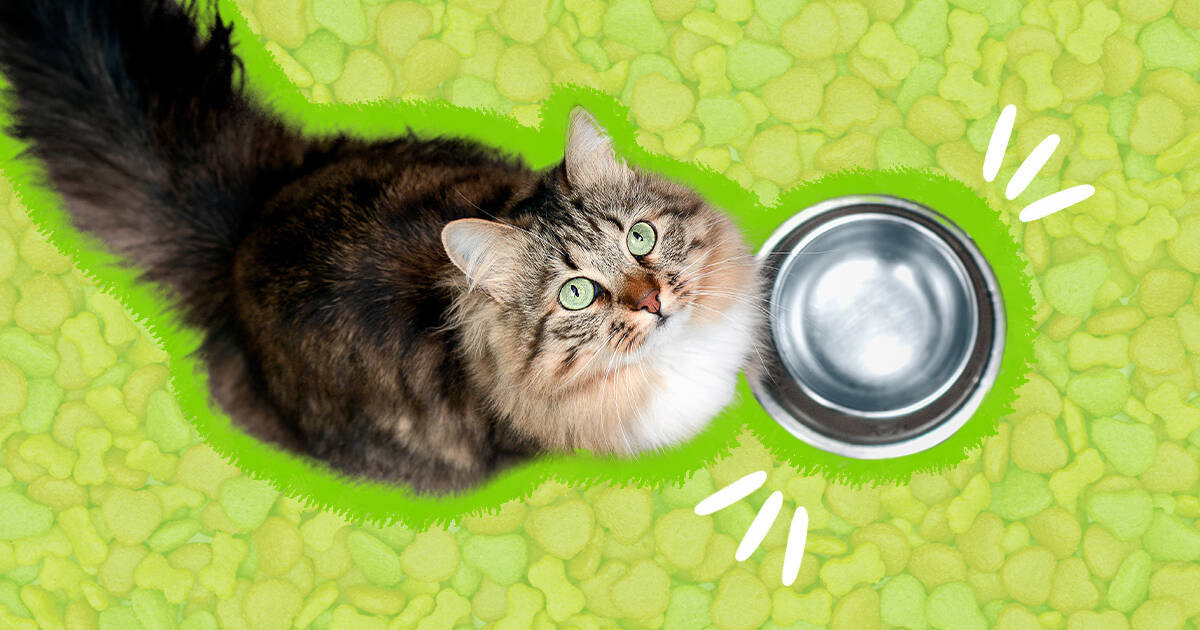
A helpful tip: Even minor changes can make a cat skip meals. If your cat misses more than one meal, watch closely.
Credit: www.thedodo.com
Dangers Of Not Eating: Why It’s An Emergency
When a cat stops eating, it’s not just about hunger. The real danger is hepatic lipidosis, a disease where fat floods the liver and stops it from working. This can happen in as little as 48–72 hours, especially in overweight cats. Hepatic lipidosis is difficult to treat and often fatal if not caught early.
Other risks include:
- Dehydration: Cats get much of their water from food. Without eating, they quickly become dehydrated.
- Weak Immune System: Lack of nutrients makes them prone to infections.
- Muscle Loss: Rapid weight loss can harm the heart and muscles.
- Organ Failure: After a week, major organs begin to shut down.
What Should You Do If Your Cat Stops Eating?
If your cat skips a meal but seems otherwise normal, try to encourage eating by:
- Offering their favorite food or treats
- Warming the food to enhance aroma
- Making sure the food is fresh and the bowl is clean
But if your cat refuses to eat for more than 24 hours, or shows signs of illness (vomiting, diarrhea, lethargy), you must act quickly:
- Contact a Veterinarian: Waiting can be deadly, especially for kittens or sick cats.
- Note Symptoms: Write down any changes in behavior, appetite, or bathroom habits.
- Avoid Forcing Food: Never try to force-feed without veterinary advice—it can cause choking or aspiration.
- Check Hydration: Gently lift the skin at the back of the neck. If it stays up, your cat may be dehydrated.
Even experienced owners sometimes miss subtle signs of trouble. Cats hide illness well, so it’s better to be safe than sorry.
How Long Can A Cat Go Without Water?
Food and water are both important, but cats can survive much less time without water. Generally, a cat will begin to suffer serious effects of dehydration after 24 hours without water, and may die in three days.
Here’s a quick look at the difference:
| Resource | Max Survival Time | Major Risks |
|---|---|---|
| Food (with water) | 7–14 days | Fatty liver, muscle loss |
| Water | 2–3 days | Kidney failure, death |
Always make sure your cat has access to clean water, even if they are not eating.
Preventing Food Refusal In Cats
While not every situation is avoidable, there are steps you can take to reduce the risk that your cat will stop eating:
- Keep a Regular Feeding Schedule: Cats like routine.
- Avoid Sudden Food Changes: Transition slowly over a week if you need to switch foods.
- Monitor Food Freshness: Wet food spoils quickly—replace uneaten portions after 2 hours.
- Reduce Stress: Give your cat safe spaces during changes or loud events.
- Watch for Early Signs: If your cat eats less, acts withdrawn, or vomits, contact your vet early.
A useful insight: Cats often show subtle changes before they stop eating completely. Recognizing these early can prevent bigger problems.
Special Cases: Kittens, Seniors, And Sick Cats
Some cats are especially vulnerable if they do not eat:
- Kittens: Need to eat every few hours. They can become dangerously weak in less than a day without food.
- Senior Cats: May have dental issues or chronic illnesses that make eating hard.
- Sick or Injured Cats: May stop eating due to pain, medication, or nausea.
For these groups, missing even one meal can be critical. Always seek veterinary advice if they skip food.
When Is It Okay To Wait?
In rare cases, a healthy adult cat may skip a single meal due to stress or a minor upset stomach. If your cat:
- Is alert and playful
- Drinks water
- Has no vomiting or diarrhea
- Eats within 24 hours
…then you can monitor at home. But for any other situation, especially with vulnerable cats, contact your vet right away.
What Vets Do When A Cat Won’t Eat
If you bring your cat to the vet for not eating, here’s what might happen:
- Physical Exam: Checking teeth, mouth, and body for signs of illness.
- Blood Tests: To check organs, blood sugar, and infection markers.
- Imaging: X-rays or ultrasound if a blockage or organ problem is suspected.
- Appetite Stimulants: Medications may help, but only if the cause is not serious.
- Feeding Tubes: In severe cases, a tube may be placed to deliver nutrition directly.
Quick treatment can save your cat’s life and prevent permanent damage.
Non-obvious Insights Owners Often Miss
- Weight Loss Is Easy to Miss: Cats can lose up to 10% of body weight before owners notice. Weigh your cat monthly to spot trends early.
- Cats Can Develop Food Aversions: Forcing food or offering strong-smelling medicines with meals can make cats avoid their food bowl altogether. Always separate medications from meals when possible.
Credit: www.youtube.com
Frequently Asked Questions
How Can I Tell If My Cat Is Dehydrated?
Look for signs like dry gums, sunken eyes, lethargy, or skin that doesn’t snap back quickly when gently pinched. If you see these, contact your vet.
Should I Be Worried If My Cat Skips One Meal?
Not always. If your cat is otherwise healthy, alert, and resumes eating within 24 hours, it’s usually not an emergency. But watch closely for other symptoms.
Can I Leave My Cat Alone With Automatic Feeders?
Automatic feeders can help, but always have someone check on your cat daily. Food can spill, get stuck, or your cat may refuse it. Fresh water is also essential.
What Is Hepatic Lipidosis?
Hepatic lipidosis is a serious liver disease that happens when cats stop eating and their body floods the liver with fat. It’s often fatal without quick treatment. Learn more from the VCA Animal Hospitals.
How Soon Should I Call The Vet If My Cat Isn’t Eating?
If your cat refuses food for more than 24 hours, or shows any signs of illness (vomiting, diarrhea, hiding, weakness), call your vet immediately.
Taking care of your cat’s appetite is one of the most important ways to protect their health. Remember, even a short time without food can be dangerous for cats. Watch for early signs, act quickly, and always seek professional help if you are unsure.
Your cat depends on you for their well-being, and prompt action can make all the difference.
