Every dog owner wants their pet to be clean, healthy, and happy. But one question often causes confusion: How often should I bathe my dog? If you ask five dog lovers, you may get five different answers. Some say every week, others say only when dirty. The truth is, there is no single answer that fits every dog. Bathing needs depend on your dog’s breed, coat type, activity level, health, and even the season.
Bathing your dog too much can dry out their skin and strip natural oils. Bathing too little can lead to smells, itchiness, and skin problems. So, how do you find the perfect balance? This article explores everything you need to know about the right bathing schedule for your dog.
We’ll look at important factors, common mistakes, and expert advice, so you feel confident caring for your furry friend.
Why Bathing Matters For Your Dog
Bathing is more than just making your dog smell good. Regular baths:
- Remove dirt and debris that can cause irritation
- Help control shedding and keep your home cleaner
- Allow you to check for fleas, ticks, or skin issues
- Support overall health by reducing the risk of infections
Many owners don’t realize that baths also help strengthen the bond between dog and human. Gentle, positive handling during bath time can build trust and comfort.
Key Factors That Affect Bathing Frequency
No two dogs are exactly alike. The best bathing schedule depends on several important factors:
1. Breed And Coat Type
Some breeds need more frequent baths, while others stay clean naturally. Here’s a closer look:
| Coat Type | Recommended Bathing Frequency | Example Breeds |
|---|---|---|
| Short, smooth coat | Every 2-3 months | Beagle, Boxer |
| Double coat (thick undercoat) | Every 2-3 months or less | Golden Retriever, Husky |
| Long, silky coat | Every 4-6 weeks | Shih Tzu, Afghan Hound |
| Curly or wool coat | Every 3-6 weeks | Poodle, Bichon Frise |
| Hairless breeds | Weekly | Xoloitzcuintli, Chinese Crested |
Non-obvious insight: Dogs with double coats (like Huskies) can go longer between baths, but frequent brushing is more important than frequent washing.
2. Activity Level And Lifestyle
A dog that loves the outdoors, mud, or swimming will naturally need more baths. City dogs who walk on clean sidewalks may stay fresher for longer.
- Active outdoor dogs: Bathe as soon as they get dirty or start to smell.
- Mostly indoor dogs: Can go longer between baths.
Tip: Always rinse your dog after swimming in lakes, rivers, or the sea. Natural water can leave bacteria or salt on their skin.
3. Skin And Health Conditions
Some dogs have sensitive skin, allergies, or medical problems that need special care.
- Dogs with allergies: May need more frequent baths with hypoallergenic shampoo.
- Skin infections or parasites: Your vet may recommend medicated baths up to once a week.
Beginner mistake: Using human shampoo on dogs can worsen skin problems. Always use a shampoo made for dogs.
4. Time Of Year
Shedding happens more in spring and fall. Many owners bathe their dogs more often during these times to help remove loose fur.
- Summer: More baths may be needed after outdoor play.
- Winter: Less frequent baths, but make sure your dog is fully dry to prevent chills.
5. Owner’s Preferences And Home Environment
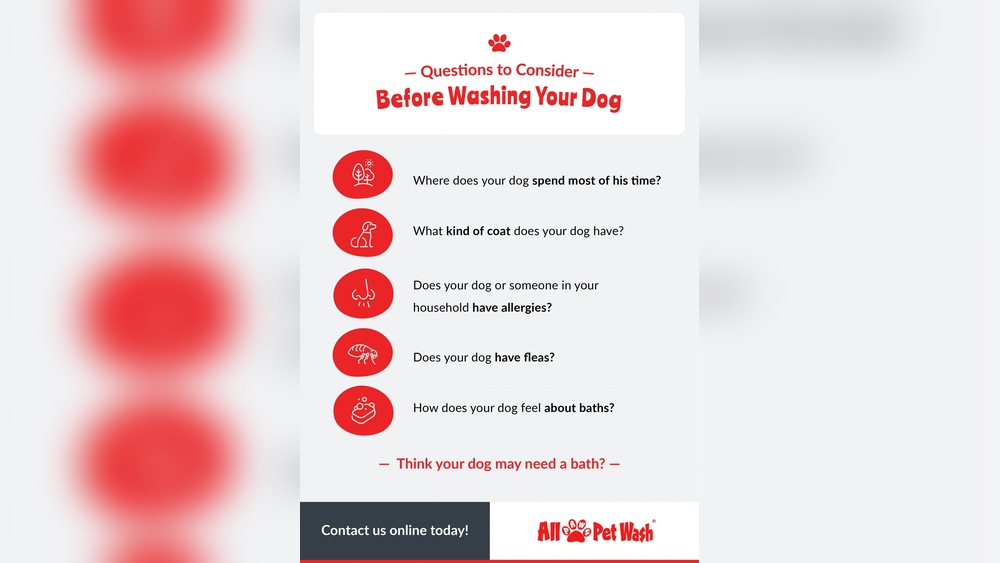
Some owners are sensitive to doggy smells or live with people who have allergies. Regular baths can help reduce dander and hair.
- Homes with small children: More frequent bathing may be preferred.
- Allergy sufferers: Clean dogs can mean fewer allergy triggers.

Credit: ccspca.com
How Often Most Dogs Need A Bath
So, what is the general guideline? For most healthy dogs:
- Every 1-3 months is enough for most breeds.
- Every 4-6 weeks for dogs with longer or curly coats.
- Weekly for hairless breeds or dogs with special needs.
But remember, these are just starting points. Your dog may need more or fewer baths based on their lifestyle.
How To Tell When Your Dog Needs A Bath
There are several signs your dog may need a bath, even if it’s not “bath day” yet:
- Strong odor or “doggy smell” that doesn’t go away after brushing
- Visible dirt or mud on their coat
- Sticky fur or oily feeling when you pet them
- Itching or scratching more than usual
- Dull coat that has lost its shine
If your dog spends time outside, check their paws, belly, and under the tail for hidden dirt.
Step-by-step Guide: Bathing Your Dog Properly
Bathing your dog doesn’t need to be stressful. Here’s how to make it easy and safe:
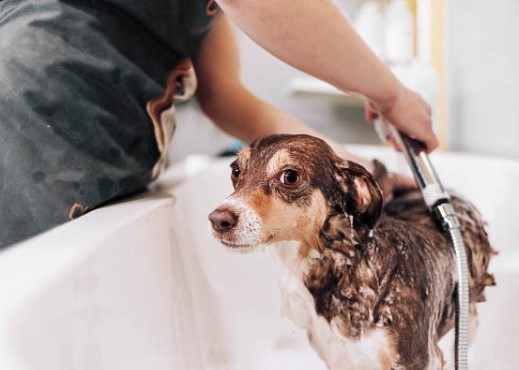
- Brush first: Remove tangles, mats, and loose hair before getting wet.
- Water temperature: Use lukewarm water, not hot or cold.
- Shampoo: Use a dog-specific shampoo. Never use human shampoo.
- Wet thoroughly: Soak your dog’s coat all the way to the skin.
- Lather gently: Massage shampoo into the coat, avoiding eyes and ears.
- Rinse completely: Leftover soap can irritate the skin.
- Drying: Towel dry first, then use a pet dryer on low (if your dog allows).
- Reward: Give treats and praise to make bath time positive.
Non-obvious insight: Always check between the toes and under the tail—these spots trap dirt and are often missed.
Mistakes To Avoid When Bathing Your Dog
Many owners make the same errors. Avoid these common mistakes:
- Bathing too often: Can dry out skin and cause itching.
- Not rinsing enough: Leftover shampoo is a leading cause of skin irritation.
- Water in the ears: Can lead to infections. Plug ears gently with cotton balls if needed.
- Wrong shampoo: Human or scented shampoos can harm your dog’s skin.
- Skipping brushing: Mats and tangles get worse when wet.
Credit: urgentvet.com
Special Cases: Puppies, Seniors, And Medical Needs
Bathing Puppies
Puppies have delicate skin. Wait until at least 8 weeks old before the first bath, unless your vet says otherwise. Use a gentle puppy shampoo and keep baths short.
Bathing Senior Dogs
Older dogs may have arthritis or less tolerance for cold and wet. Use warm water, soft towels, and a non-slip mat. Keep bath time short and comfortable.
Dogs With Medical Needs
If your dog has skin problems, talk to your vet. They may recommend a special shampoo or bathing schedule.
Bathing Vs. Other Grooming
Bathing is just one part of keeping your dog clean. Other grooming tasks are just as important and may need to be done more often.
| Grooming Task | How Often | Notes |
|---|---|---|
| Brushing | 1-3 times a week (daily for long-haired breeds) | Prevents mats, removes loose hair |
| Nail trimming | Every 3-4 weeks | Overgrown nails cause pain |
| Ear cleaning | Every 1-2 weeks | Especially for floppy-eared breeds |
| Teeth brushing | 2-3 times a week | Prevents dental disease |
Beginner tip: Brushing your dog regularly can reduce the need for baths by removing dirt and spreading natural oils.
What If You Bathe Your Dog Too Much?
Bathing your dog too often can cause:
- Dry, flaky skin
- Dull coat
- Increased scratching
- Loss of natural oils that protect the skin
If you notice these signs, try reducing bath frequency and use a moisturizing dog conditioner.
When To Seek Help From A Professional Groomer
Some dogs are hard to bathe at home. Consider a professional groomer if:
- Your dog is very large or strong
- Long or matted coat is hard to manage
- Your dog is fearful or aggressive about baths
- You need special haircuts (like Poodles or Schnauzers)
Professional groomers have the right tools and experience to keep your dog safe and comfortable.
How To Make Bath Time Easier
Bathing can be stressful for both you and your dog. Here are practical tips for success:
- Start young: Get puppies used to water and handling early.
- Use treats: Reward calm behavior during and after the bath.
- Stay calm: Dogs sense your mood. Stay relaxed and patient.
- Have everything ready: Towels, shampoo, and brushes within reach.
- Non-slip mat: Helps prevent slipping and fear.
If your dog really hates baths, try short, positive sessions and build up slowly.
Expert Recommendations And Research
Veterinarians and groomers agree: there is no “one size fits all” answer. The American Kennel Club suggests most dogs need a bath every 1-3 months, but some may need more or less. Research shows that over-bathing can harm skin health, while under-bathing can lead to infections and discomfort.
For more guidance, you can check the advice from the American Kennel Club.

Credit: www.epictailsvet.com
Frequently Asked Questions
How Often Should I Bathe My Puppy?
Wait until your puppy is at least 8 weeks old. Then, bathe every 4-6 weeks or as needed, using a gentle puppy shampoo. Always keep the experience gentle and positive.
Can I Use Human Shampoo On My Dog?
No, human shampoos can upset the pH balance of your dog’s skin and cause irritation. Always use a shampoo made for dogs.
What If My Dog Hates Water?
Start with short, positive bath times. Use treats and praise. Some dogs prefer being bathed outside with a hose, while others feel safer in a small tub. Patience is key.
How Do I Keep My Dog Clean Between Baths?
Regular brushing, wiping paws after walks, and using pet-safe wipes can keep your dog fresh. These steps can reduce the need for frequent full baths.
Are Dry Shampoos Safe For Dogs?
Many pet dry shampoos are safe when used as directed, but they do not replace regular bathing. Always check ingredients and avoid products with strong fragrances or chemicals.
Keeping your dog clean is not just about looks—it’s about health and happiness. By understanding your dog’s unique needs, you can find the perfect bathing routine. A little care goes a long way in keeping your best friend comfortable, healthy, and part of your family for many years to come.
