
Every dog lover knows that puppies are a joy, but not everyone understands what happens before those small, wiggly tails arrive. If you’re caring for a female dog or planning a litter, you probably wonder: How long is a dog pregnant? The answer is not just a number. The journey from conception to birth is complex, and knowing the details can help you support your dog and her soon-to-arrive puppies. Let’s explore the timeline, signs, and what you should expect during this special time.
Understanding The Dog Pregnancy Timeline
Most people are surprised to learn that dog pregnancy (also called gestation) is much shorter than human pregnancy. On average, a dog is pregnant for about 63 days, or roughly nine weeks. However, this period can range from 58 to 68 days, depending on several factors.
Why Is The Range So Broad?
Dog breeds come in all shapes and sizes, and so does their reproductive cycle. For example, small breeds tend to have slightly shorter pregnancies, while larger breeds may be pregnant for a day or two longer. The exact timing also depends on when the eggs are fertilized, not just when mating occurs.
Sperm can survive inside the female for several days, so conception doesn’t always happen right after mating.
The Three Stages Of Dog Pregnancy
Dog pregnancy is divided into three main stages:
- Early Stage (Days 0–21): The fertilized eggs travel to the uterus and implant.
- Middle Stage (Days 22–45): The embryos develop into recognizable puppies.
- Final Stage (Days 46–63): The puppies grow quickly and prepare for birth.
Each stage is important and comes with different changes in your dog’s behavior and body.
Key Signs Of Pregnancy In Dogs
Recognizing pregnancy early is not always easy. Dogs don’t show obvious signs in the first weeks. However, watch for these key changes:
- Decreased activity: Your dog may seem tired or less playful.
- Increased appetite: Some dogs start eating more, while others may lose appetite in the very early weeks.
- Behavior changes: She may become more affectionate or, in some cases, moody.
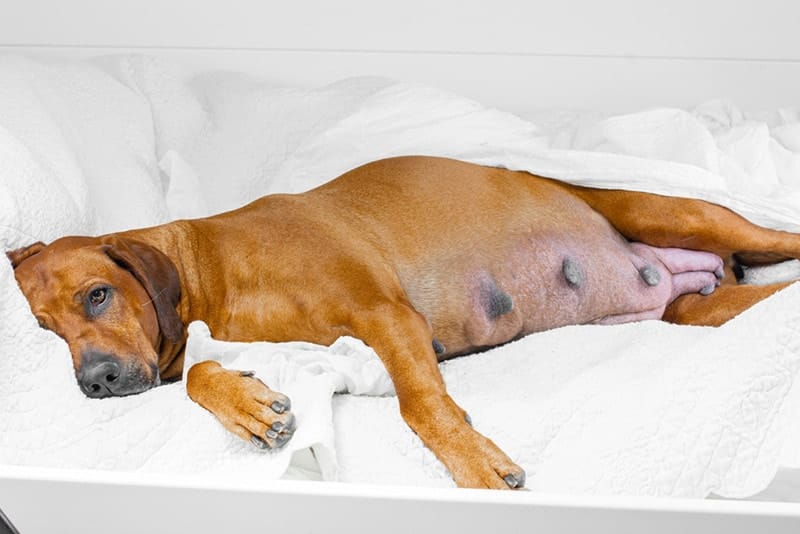
- Nipple enlargement: The nipples often become bigger and pinker.
- Mild weight gain: Noticeable weight gain usually starts after the first month.
If you suspect pregnancy, your veterinarian can confirm it with tests and exams.
How Veterinarians Confirm Pregnancy
It’s best not to guess. Accurate diagnosis ensures your dog gets the right care. Vets use several methods to confirm pregnancy:
1. Palpation
Between days 21 and 30, a skilled vet can gently feel your dog’s abdomen for small, grape-like swellings (the developing puppies).
2. Ultrasound
From day 25 onward, ultrasound can show the puppies’ heartbeats and movement. This is a safe, non-invasive method.
3. Blood Test
A blood test for the hormone relaxin is reliable after about day 30 of pregnancy.
4. X-ray
At around day 45, X-rays can show the puppies’ bones. This method also helps estimate the number of puppies.
Week-by-week: What Happens During Dog Pregnancy
Dog pregnancy moves quickly. Here’s how each week typically unfolds:
| Week | Development | Visible Changes |
|---|---|---|
| 1–2 | Fertilization, embryo travel to uterus | Usually no visible signs |
| 3–4 | Embryos implant in uterus | Possible mild appetite loss, slight behavior changes |
| 5 | Puppy organs begin forming | Belly may start to expand, nipples enlarge |
| 6–7 | Puppies grow quickly, fur develops | Clear weight gain, increased appetite |
| 8 | Puppies move into birth position | Dog may nest, look for quiet spaces |
| 9 | Puppies are full term, ready for birth | Restlessness, drop in body temperature before labor |
Factors That Affect Dog Pregnancy Length
Not all pregnancies last the same number of days. Several factors can make the pregnancy a bit shorter or longer.
Breed And Size
Small breeds often deliver earlier than large breeds. For example, a Chihuahua may deliver at 58 days, while a Saint Bernard may go to 65 days.
Number Of Puppies
Strangely, a large litter may lead to an earlier birth, while a small litter can mean a longer pregnancy. The uterus gets stretched more with many puppies, triggering earlier labor.
Age And Health
Young, healthy dogs usually follow the average timeline. Older dogs or those with health issues may have slightly irregular pregnancies. Good nutrition and prenatal care are essential for a smooth pregnancy.
Timing Of Mating Vs. Ovulation
Dogs are only fertile for a short window. If mating happens early or late in the heat cycle, pregnancy length may shift slightly.
How To Care For A Pregnant Dog
Proper care is vital for both the mother and her puppies. Here are the main things to focus on during pregnancy:
- Nutrition: Feed your dog a high-quality, balanced diet. Near the end of pregnancy, switch to a food designed for puppies or pregnant dogs.
- Exercise: Continue light exercise but avoid rough play and strenuous activity in the last weeks.
- Vet visits: Schedule regular checkups. Your vet will advise on vaccinations, deworming, and any supplements.
- Comfort: Provide a quiet, clean area for resting. As birth approaches, she’ll want a safe space (whelping box) to nest.
- Monitor health: Watch for signs of illness, loss of appetite, or abnormal discharge.
Common Signs That Labor Is Near
Knowing when your dog is about to give birth helps you prepare. Here are some clear signs that labor is coming soon:
- Nesting behavior: She may dig or arrange blankets.
- Drop in appetite: Many dogs stop eating 24 hours before labor.
- Restlessness or panting: She may seem uncomfortable, pace, or pant.
- Body temperature drop: A normal dog’s temperature is about 101.5°F (38.6°C). It often drops to 98–99°F (36.7–37.2°C) within 24 hours of labor.
- Clear vaginal discharge: A small amount is normal just before birth.
The Stages Of Dog Labor
Understanding the labor process helps you support your dog without panic.
| Stage | What Happens | How Long |
|---|---|---|
| 1. Early Labor | Nesting, restlessness, cervix dilates | 6–12 hours |
| 2. Active Labor | Strong contractions, puppies delivered | Up to 12 hours (longer for large litters) |
| 3. Delivery of Placentas | Placentas expelled after each puppy | Minutes after each puppy |
What Can Go Wrong? Warning Signs
Most pregnancies and births go smoothly. But it’s important to know when to call the vet:
- No puppies delivered after 24 hours of temperature drop
- Strong contractions for over 30 minutes with no puppy
- More than 2 hours between puppies
- Green, foul-smelling, or bloody discharge before puppies appear
- Obvious pain, collapse, or extreme distress
Early help can save both mother and puppies.
Non-obvious Insights For Dog Owners
Many first-time dog owners miss these important points:
- Dogs can reabsorb embryos. If the pregnancy is lost early, the body may reabsorb the embryos with no signs. This is why an early ultrasound may show more puppies than are actually born.
- False pregnancies are common. Some dogs show signs of pregnancy, including nesting and even milk production, but are not actually pregnant. Only a vet can confirm real pregnancy.
- Each pregnancy is unique. Even the same dog can have different experiences with each litter. Track each pregnancy separately and don’t assume the timeline will match a previous one.

Credit: aminpetshop.com
Pregnancy Length In Different Dog Breeds
To illustrate how breed affects pregnancy, here’s a comparison of average gestation for popular breeds:
| Breed | Average Pregnancy Length (Days) |
|---|---|
| Labrador Retriever | 63 |
| German Shepherd | 63 |
| Bulldog | 60–62 |
| Chihuahua | 58–61 |
| Golden Retriever | 63–65 |
| Yorkshire Terrier | 58–62 |
Remember, these are averages—individual dogs may vary.
Preparing For Puppies
As the due date approaches, it’s time to get ready:
- Set up a whelping box in a quiet area.
- Gather clean towels, heating pads, and puppy-safe supplies.
- Keep your vet’s emergency number handy.
- Monitor your dog closely for signs of labor.
- Make sure she is comfortable and not stressed.
Credit: www.dogster.com
When To Seek Help
If you’re ever unsure, it’s always better to call your veterinarian. Even experienced breeders sometimes face surprises. Having support and good information can make the difference between a safe delivery and an emergency.
If you want to learn more about the science of dog reproduction and pregnancy, the American Kennel Club is a trusted resource: American Kennel Club.
Frequently Asked Questions
How Long Is A Dog Pregnant Before Giving Birth?
The average pregnancy length is 63 days from conception, but it can range from 58 to 68 days. The exact timing depends on factors such as breed, size, and number of puppies.
Can You Tell If A Dog Is Pregnant Right After Mating?
No, you cannot confirm pregnancy immediately after mating. Physical signs usually appear after 3–4 weeks. Your vet can confirm pregnancy with palpation, ultrasound, or hormone tests from day 21–30 onward.
Do All Dogs Show The Same Signs During Pregnancy?
No, signs can vary between dogs and even between pregnancies in the same dog. Some show clear changes, while others show very subtle signs. Regular vet visits are the best way to monitor pregnancy.
What Should I Do If My Dog Goes Past 65 Days Without Giving Birth?
If your dog is overdue (past 65 days), contact your veterinarian immediately. Delayed birth can be risky for both mother and puppies and may require medical help.
How Many Puppies Can A Dog Have In One Pregnancy?
The number of puppies varies by breed and size. Small breeds may have 1–4 puppies, while large breeds can have 8–12 or more. An x-ray in the last weeks of pregnancy can help estimate the number.
Bringing new puppies into the world is exciting, but it also comes with responsibility. Understanding the timeline and what to expect during a dog’s pregnancy helps you give the best care to your dog and her growing family. With the right preparation and support, you can help ensure a healthy, happy start for every puppy.

Credit: www.thomasvillevet.net
