Every dog owner wants to keep their pet safe and healthy. One of the most important parts of caring for a dog is protecting them from dangerous diseases, especially rabies. Rabies is a deadly virus that affects the brain and nervous system of animals and humans. It is usually spread by bites from infected animals, and once symptoms appear, it is almost always fatal. Because of this, rabies shots (vaccines) are required in most countries. But how often do dogs need rabies shots, and what should owners know to keep their dogs up to date? Let’s explore this topic in detail so you can protect your furry friend—and your community.
Understanding Rabies And Why Vaccination Matters
Rabies is not just a problem for wild animals; it can affect any mammal, including dogs, cats, and humans. Vaccination is the only reliable way to prevent rabies in pets. When a dog receives a rabies shot, their body learns to fight off the virus if they are ever exposed.
Most countries have strict laws about rabies vaccination for pets because of the risk to public health. If a dog is not vaccinated, it can become a threat to other animals and people. In many places, a dog without a current rabies shot may not be allowed to travel, visit parks, or even stay in a boarding kennel.
How Often Do Dogs Need Rabies Shots?
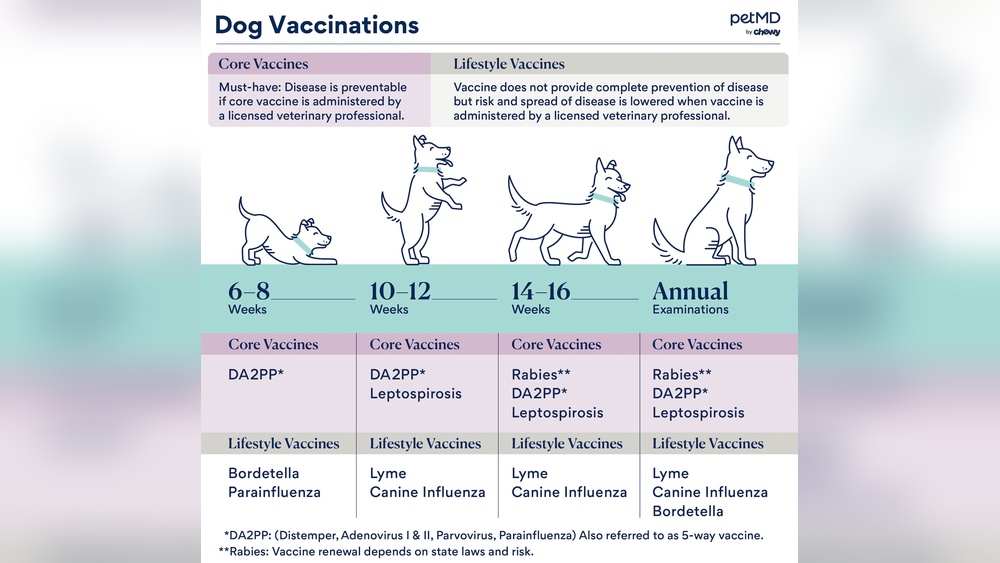
The timing for rabies shots depends on the dog’s age, vaccine type, and local laws. Here’s a breakdown of the main rules:
- First Rabies Shot: Puppies usually get their first rabies vaccine at 12 to 16 weeks old. Some areas may require it at exactly 12 weeks, while others allow up to 16 weeks.
- Booster Shots: After the first shot, dogs need booster vaccines to keep their protection strong. The schedule for boosters depends on the type of vaccine used:
- 1-Year Rabies Vaccine: Needs to be repeated every year.
- 3-Year Rabies Vaccine: The next shot is given one year after the first, then every three years.
- Local Laws: Some places require yearly shots, even if a 3-year vaccine is used. Always check your local regulations.
Typical Rabies Vaccine Schedule
| Vaccine Type | First Shot | Second Shot | Subsequent Boosters |
|---|---|---|---|
| 1-Year | 12-16 weeks | 1 year later | Every year |
| 3-Year | 12-16 weeks | 1 year later | Every 3 years |
Non-obvious insight: The first booster after the puppy shot is always given one year later, even for a 3-year vaccine. Only after this does the 3-year interval begin.
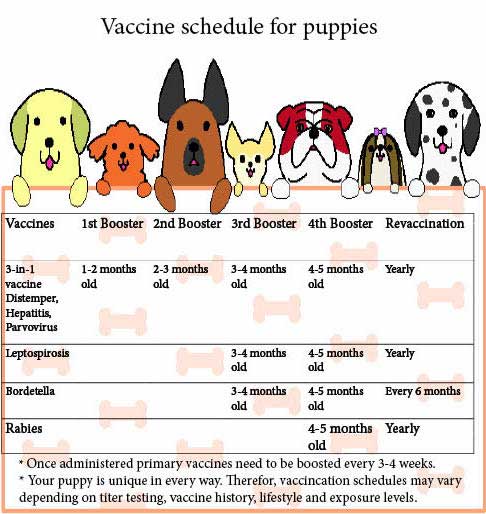
Credit: elcidanimalclinic.com
Why Rabies Booster Shots Are Needed
Many owners wonder why booster shots are needed if their dog was already vaccinated. Here’s why:
- Immunity Fades: Over time, the body’s protection from the vaccine becomes weaker. Boosters remind the immune system how to fight the virus.
- Legal Proof: If your dog bites someone or is bitten, you may need to show proof of a current rabies shot. Outdated vaccines can cause legal problems.
- Changing Risks: In some areas, rabies risk may increase due to outbreaks in local wildlife.
Skipping boosters puts your dog—and the community—at risk. Even well-cared-for pets can be exposed to rabies through wild animals like bats, raccoons, or foxes.
What Affects How Often Your Dog Needs Rabies Shots
Many factors can change your dog’s vaccination schedule:
Local Laws And Rules
Every country, state, or city can have different rabies laws. Some places require yearly vaccines, others allow every three years. Fines or penalties may apply if you miss a required booster. Always ask your vet or local animal authority about the rules where you live.
Type Of Vaccine Used
There are several brands and types of rabies vaccines. Some protect for one year, some for three years. Your vet will choose the best option, but sometimes only one type is legal in your area. Ask your vet what vaccine your dog gets and how long it lasts.
Your Dog’s Age And Health
Older dogs or those with certain health problems might need a different schedule. In rare cases, a vet may recommend not vaccinating, but this requires special permission and paperwork.
Travel Or Boarding
If you plan to travel or board your dog, you may need to show proof of a recent rabies shot. Some countries require a vaccine within the last 12 months, even if your dog has a 3-year shot.
What Happens If A Dog Misses A Rabies Shot?
Missing a rabies booster is more common than you might think, but it can have serious consequences. If your dog is overdue, here’s what you need to know:
- Restarting the Series: Some places treat overdue dogs as “never vaccinated.” This means they may need to start the vaccine series again.
- Quarantine Risk: If an unvaccinated or overdue dog bites someone, it may be quarantined or, in rare cases, euthanized.
- Legal Problems: Fines or restrictions can apply.
- Lost Protection: The longer you wait, the more your dog’s immunity fades.
Non-obvious insight: Even if only a few weeks overdue, some countries may not accept your dog as “currently vaccinated” for travel or public access.
Side Effects And Safety Of Rabies Vaccines
Rabies vaccines are generally very safe. Most dogs have no reaction at all. Some may have mild side effects, such as:
- Soreness at the injection site
- Mild fever
- Tiredness for a day
Serious reactions are very rare (less than 1 in 10,000). Signs include swelling of the face, trouble breathing, or collapse. If this happens, contact a vet right away.
Comparing 1-year And 3-year Rabies Vaccines
Many owners ask if the 3-year vaccine is “stronger” or safer than the 1-year version. Here’s a direct comparison:
| Feature | 1-Year Vaccine | 3-Year Vaccine |
|---|---|---|
| Duration of protection | 1 year | 3 years |
| Vaccine formula | Similar to 3-year | Similar to 1-year |
| Cost | Usually less per shot | Usually more per shot |
| Legal acceptance | Accepted everywhere | Not always accepted |
| Side effects | Very rare | Very rare |
Key point: The main difference is how often you need to repeat the shot. The safety and effectiveness are nearly the same.
How To Keep Track Of Your Dog’s Rabies Vaccinations
Staying organized is important for your dog’s health and for following the law. Here’s how to manage your dog’s rabies shots:
- Ask for a Rabies Certificate: Every time your dog gets a shot, ask your vet for a signed certificate. This is your legal proof.
- Record the Expiry Date: Note when the vaccine expires—not just the date it was given.
- Set Reminders: Put the expiry date in your calendar. Set a reminder one month before.
- Keep Copies: Store paper and digital copies of all vaccine records.
- Update After Each Shot: Check that the new certificate shows the correct booster interval.
Practical tip: Some vets will email reminders, but it’s your job as the owner to be sure your dog stays current.
Rabies Vaccination Around The World
Rabies rules are not the same everywhere. Here are some examples:
- United States: Most states require rabies shots for dogs every one to three years, depending on the vaccine and state law.
- United Kingdom: Rabies is not present in wild animals, but dogs must be vaccinated before traveling abroad.
- Australia and New Zealand: Rabies is absent, but proof of vaccination is needed for imported animals.
- India, Africa, Southeast Asia: Rabies is common in these regions. Annual vaccination is usually required.
Check with your local veterinarian or animal health office for exact rules.
What If Your Dog Cannot Be Vaccinated?
Some dogs cannot get rabies shots due to allergies, immune diseases, or other medical problems. In these rare cases:
- Your vet must write an exemption letter.
- Your area may require special paperwork.
- Your dog may have travel or public restrictions.
Never skip a rabies shot without talking to a vet and getting the right documents.

Credit: insightvetwellness.com
The Importance Of Community Protection
Vaccinating your dog does more than protect one animal. It stops the spread of rabies in the community. If enough dogs are vaccinated, it becomes almost impossible for the virus to spread. This is called herd immunity.
Example: In the United States, routine rabies vaccination in dogs has nearly eliminated dog-to-human rabies cases.
Common Mistakes Dog Owners Make
Many owners have good intentions but make small mistakes that put their pets at risk. Here are some to watch out for:
- Assuming a 3-year vaccine means you can skip check-ups. Dogs still need yearly health exams.
- Not updating records after moving. Local laws may change when you move to a new city or country.
- Missing the first booster. The most important booster is one year after the puppy shot.
- Relying on tags only. The rabies tag is not legal proof; you need the signed certificate.
- Thinking indoor dogs are safe. Even indoor dogs can be exposed if a bat or wild animal enters your home.

Credit: www.thesprucepets.com
When To Consult Your Veterinarian
Always talk to your vet if you’re unsure about:
- When your dog needs the next shot
- What type of vaccine is best
- What to do if your dog missed a booster
- Local laws and travel requirements
Vets are experts in keeping your pet safe and can help with paperwork and reminders.
For more information and the latest recommendations, you can visit the Centers for Disease Control and Prevention (CDC).
Frequently Asked Questions
How Do I Know If My Dog’s Rabies Vaccine Is Up To Date?
Check your dog’s rabies certificate for the expiry date. If you’re not sure, ask your veterinarian. Do not rely on the date on the rabies tag alone.
Can Indoor Dogs Skip Rabies Shots?
No. All dogs, even those living indoors, need rabies vaccines. Wild animals like bats can enter homes, and laws require all dogs to be vaccinated.
Is It Safe To Give A Rabies Vaccine With Other Shots?
Yes, most dogs receive the rabies shot along with other vaccines during their annual vet visit. Your vet will decide if it’s safe for your dog.
What Happens If My Dog Bites Someone And Is Not Vaccinated?
Your dog may be quarantined or, in rare cases, euthanized, depending on local laws. You may also face legal trouble or fines.
Can My Dog Get Rabies From The Vaccine?
No. The rabies vaccine does not contain live virus. It cannot cause rabies in your dog.
Taking care of your dog means protecting them from deadly diseases like rabies. Following the right vaccination schedule, keeping good records, and staying in touch with your vet will keep your pet—and your community—safe for years to come.
