When you welcome a cat into your life, you promise to protect them. One key part of that promise is keeping up with vaccinations—especially rabies shots. Rabies is a deadly disease, not just for cats but also for people. In many countries, it’s required by law to vaccinate pets against rabies. But how often do cats actually need rabies shots? The answer is not as simple as “once a year.” Let’s dig deep into the facts, guidelines, and real-life tips so you can confidently make the best choice for your feline friend.
Why Rabies Shots Matter For Cats
Rabies is more than just a scary word. It’s a viral infection that attacks the brain and nerves. Once symptoms appear, it is almost always fatal. Cats can get rabies from bites by infected animals such as bats, raccoons, or other cats. If your cat spends time outdoors or lives in an area where rabies is present, the risk is real.
Vaccinating your cat does more than keep them safe. It also helps protect your family and community. Some countries report hundreds of rabies cases in cats every year, with the Centers for Disease Control and Prevention (CDC) noting cats as the most commonly rabid domestic animal in the United States since the 1990s.
The Basic Rabies Vaccination Schedule
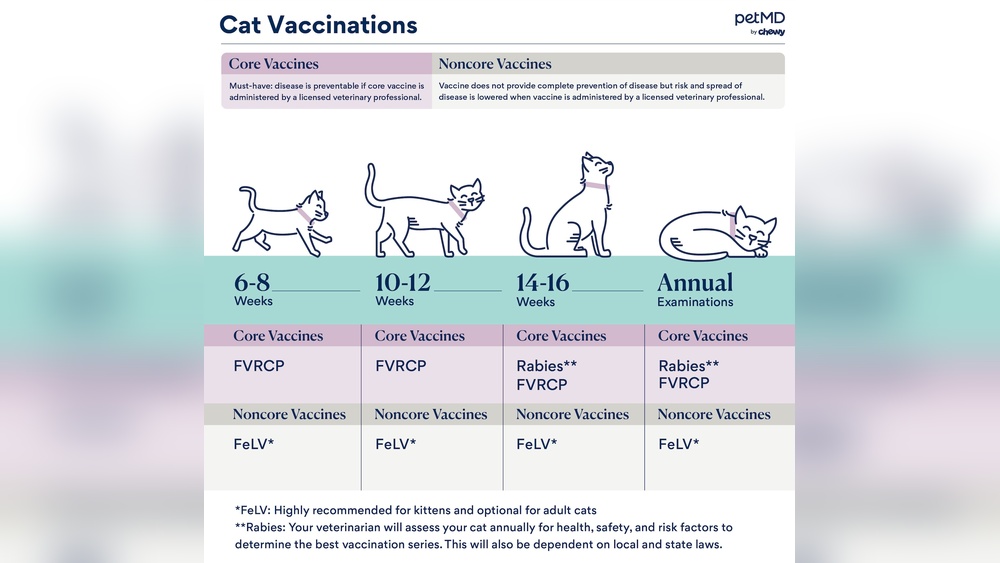
Most veterinarians follow standard guidelines for rabies shots, but there can be differences depending on where you live and the vaccine used. Here’s what most cat owners can expect:
| Cat Age | Rabies Shot Needed? | Notes |
|---|---|---|
| 8-12 weeks | First rabies vaccine | Minimum age varies by vaccine (often 12 weeks) |
| 1 year later | Booster shot | After initial vaccine, booster is due in one year |
| Every 1 or 3 years after | Follow-up boosters | Depends on vaccine type and local laws |
One-year Vs. Three-year Vaccines
Not all rabies vaccines are the same. Some protect for one year, others for three. Both types are widely used, and your vet will usually tell you which one your cat is getting. Always check your cat’s vaccination certificate or ask your vet directly.
How Often Do Cats Need Rabies Shots?
The answer depends on several factors. Let’s break it down:
1. Kitten’s First Rabies Shot
Most kittens receive their first rabies shot at about 12 weeks old. Some vaccines can be given as early as 8 weeks, but 12-16 weeks is common. This first shot is crucial because kittens are especially vulnerable.
2. First Booster Shot
One year after the first vaccine, your cat needs a booster shot. This strengthens your cat’s immune response, making sure the protection lasts.
3. Regular Boosters: Every 1 Or 3 Years
After the first booster, your cat will need regular rabies shots. The timing depends on:
- The type of vaccine used
- Local laws and regulations
- Your cat’s health
For one-year vaccines, boosters are required every year. For three-year vaccines, boosters are due every three years. In some places, even if a three-year vaccine is used, the law may require annual shots.
4. Indoor-only Cats: Do They Need Rabies Shots?
Some people think indoor cats don’t need rabies shots. But accidents happen—an open window, a bat in the house, or your cat escaping outside. Most vets and animal control laws require all cats, even indoor-only ones, to be vaccinated.
5. Local Laws And Requirements
In the United States, each state sets its own rules for rabies vaccination. Some cities or counties have even stricter laws. For example, New York requires cats to be vaccinated by 4 months old and to keep boosters up-to-date throughout life.
Penalties for not following the law can include fines, quarantine, or worse if your cat bites someone.
The Science Behind Rabies Vaccines
Rabies vaccines “train” your cat’s immune system to fight the real virus if exposed. The vaccine contains a killed virus—not live rabies—so it cannot cause the disease. After vaccination, most cats develop strong protection.
How Long Does Immunity Last?
Studies show that most cats remain protected for at least three years after a three-year vaccine. However, immunity can weaken over time, especially in older cats or those with health problems. This is one reason why booster shots are needed regularly.
What If Your Cat Misses A Booster?
If your cat is overdue, don’t panic. Most vets recommend giving the next available shot as soon as possible. However, if too much time has passed, your cat may need to start the vaccination series from the beginning. Always keep vaccination records up-to-date, as you may need them for travel, boarding, or emergencies.
Credit: animalfamilyveterinarycare.com
Comparing One-year And Three-year Rabies Vaccines
Choosing between a one-year and a three-year vaccine can be confusing. Here’s how they compare:
| Vaccine Type | Protection Duration | Booster Frequency | Cost (Average) |
|---|---|---|---|
| One-year | 1 year | Every year | $15-$25 per shot |
| Three-year | 3 years | Every 3 years | $20-$35 per shot |
Non-obvious insight: Some boarding facilities or travel rules require the vaccine to be less than a year old, even if your cat got a three-year shot. Always check the rules before making plans.
What Happens During A Rabies Shot Appointment
Most rabies shots are given during a regular wellness visit. Here’s what happens:
- The vet checks your cat’s health first.
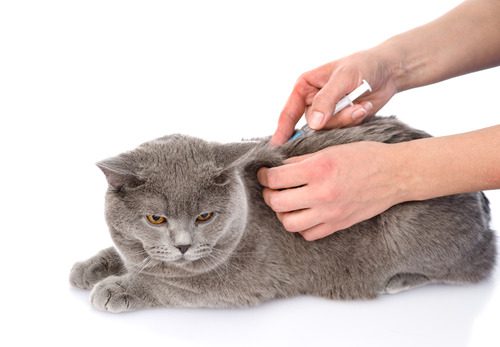
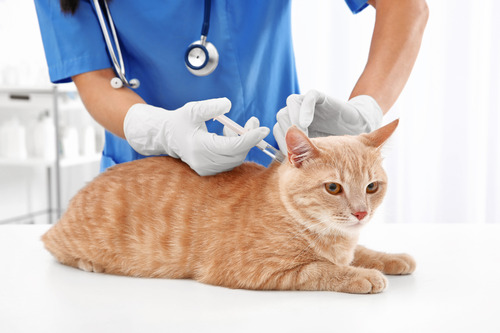
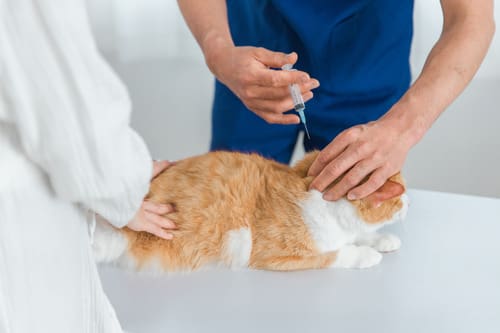
- The vaccine is injected under the skin, usually between the shoulder blades.
- You get a vaccination certificate or tag as proof.
The shot itself takes just a few seconds. Most cats feel fine afterwards, though some may be sleepy or have a small lump at the injection site.
Possible Side Effects And What To Watch For
Most cats handle rabies shots well. But, as with any vaccine, there can be side effects. Common mild reactions include:
- Sleepiness for a day or two
- Slight swelling at the shot site
- Reduced appetite
Rarely, cats can have allergic reactions. Warning signs include:
- Vomiting or diarrhea
- Swelling of the face or paws
- Difficulty breathing
If you notice any of these signs, contact your vet right away. Some vaccines are made with fewer additives (adjuvants) to lower the risk of side effects. Ask your vet if a non-adjuvanted vaccine is right for your cat, especially if your cat has reacted to shots before.
What If You Adopt An Adult Cat?
If you adopt a cat and don’t know their vaccine history, your vet will likely start a new series. Most shelters give cats a rabies shot before adoption, but always ask for records. If in doubt, it’s safer to vaccinate.
Traveling Or Moving With Your Cat
Traveling to another state or country? Most require proof of up-to-date rabies vaccination. Some may even require a specific type of certificate or a recent shot. For example, Hawaii and many countries without rabies have strict entry rules.
Non-obvious insight: Paperwork errors are a common reason pets are refused entry or put into quarantine. Double-check the exact vaccine date and certificate format before you travel.
How To Keep Track Of Rabies Shots
It’s easy to lose track of vaccine dates. Try these tips:
- Set a calendar reminder for the next shot.
- Store the vaccination certificate in a safe place.
- Ask your vet to email you before the next booster is due.
Some veterinary clinics use online portals where you can check your cat’s vaccine history anytime.
Credit: laurelpets.com
What To Do If Your Cat Is Exposed To Rabies
If your cat is bitten by a wild animal or another pet with unknown vaccine history:
- Wear gloves before handling your cat (rabies can spread through saliva).
- Call your vet immediately.
- Report the bite to local animal control if required.
Vaccinated cats often need a booster shot after exposure and will be observed for symptoms. Unvaccinated cats may face strict quarantine or, in some areas, euthanasia. This is why keeping vaccines up-to-date is so important.
Common Myths About Rabies Shots For Cats
- Indoor cats don’t need rabies shots. As discussed, even indoor cats are at risk.
- Rabies shots are dangerous. The risk of serious side effects is very low compared to the danger of rabies.
- One shot lasts for life. Immunity fades, so regular boosters are necessary.
Don’t rely on myths or advice from non-professionals. Always speak with your veterinarian.
Credit: heartofchelsea.com
Quick Reference: Rabies Vaccination Schedule For Cats
| Situation | When to Vaccinate |
|---|---|
| Kitten (first shot) | 12-16 weeks old |
| First booster | 1 year after first shot |
| Regular boosters | Every 1 or 3 years, depending on vaccine |
| After possible exposure | Immediate booster + vet check |
Final Thoughts: Protecting Cats And Communities
Keeping your cat’s rabies shots up-to-date is one of the simplest ways to protect their health—and yours. It’s not just about following the law. It’s about peace of mind, knowing you’re doing the right thing. Rabies is almost 100% preventable with vaccines, but it’s deadly if ignored.
Schedule your cat’s shots, keep records, and talk openly with your vet about the best plan for your pet’s needs.
If you want more detailed information on rabies and pet laws, the Centers for Disease Control and Prevention (CDC) offers trusted resources.
Frequently Asked Questions
How Do I Know If My Cat’s Rabies Vaccine Is Still Valid?
Check the date on your cat’s rabies certificate. It will list the vaccine type and expiration. If you’re unsure, ask your vet—they keep records and can confirm when the next shot is due.
Can Cats Get Sick From The Rabies Vaccine?
Most cats have no problems, but mild side effects like sleepiness or a small lump at the injection site are possible. Serious reactions are rare but need quick vet attention. Ask your vet about non-adjuvanted vaccines for sensitive cats.
What Happens If My Cat Misses A Rabies Shot?
If your cat is just a little late, get the next shot as soon as possible. If much time has passed, your vet may start the series over. Never wait until your cat is exposed to rabies—stay up-to-date.
Is Rabies Vaccination Required By Law For Cats?
In many places, yes. Most U. S. states require rabies shots for cats, even indoor-only pets. Check with your local animal control office or vet for your area’s rules.
Can I Give My Cat A Rabies Shot Myself?
No. Rabies vaccines must be given by a licensed veterinarian. Home vaccination is not accepted by law and puts your cat’s health at risk.
With the right information and regular care, keeping your cat safe from rabies is simple and effective. Protect your cat—and your community—by staying on schedule with rabies vaccinations.
