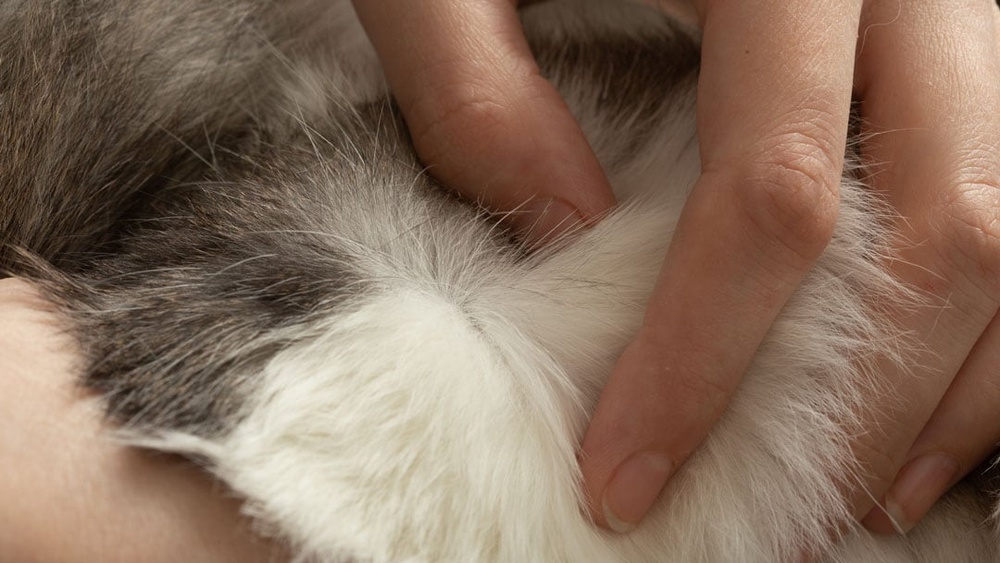
Fleas are tiny but powerful pests that can make life miserable for your cat. They are not just annoying — they can also bring health problems and quickly infest your home. Many cat owners wonder: how often do you really need to treat your cat for fleas? The answer depends on several factors, including where you live, your cat’s habits, and the products you use. Understanding the right treatment schedule is essential for your cat’s comfort, health, and your peace of mind.
Why Flea Treatment Is Essential
Fleas are more than just a nuisance. These small parasites feed on your cat’s blood and can cause serious issues like flea allergy dermatitis, anemia, and even transmit tapeworms. In young kittens or sick cats, a heavy flea infestation can be life-threatening. Some cats are more sensitive than others and can develop itchy, inflamed skin after just a few bites.
It’s a common mistake to think indoor cats are safe from fleas. Fleas can hitch a ride on your clothes, other pets, or even enter through open windows. Once inside, they reproduce rapidly. A single flea can lay up to 50 eggs per day. That’s why regular treatment and prevention are key, even if you don’t see fleas on your cat.
How Often Should You Treat Cats For Fleas?
The frequency for treating cats for fleas depends on the type of product you use, your local climate, and your cat’s lifestyle. Here’s a closer look:
1. Monthly Spot-on Treatments
Most popular flea treatments for cats are spot-on liquids applied between the shoulder blades. Products like Advantage, Frontline, or Revolution are designed to be used every 4 weeks. Skipping a month can give fleas a chance to come back, even if you don’t see them right away.
2. Oral Flea Medications
Some oral medications, like Comfortis or Capstar, offer fast relief. Comfortis usually lasts for one month, while Capstar is much shorter, working for only 24 hours. Oral treatments must be given as directed — following the exact schedule for the specific product.
3. Flea Collars
Modern flea collars like Seresto can provide protection for up to 8 months. However, the collar must stay on your cat all the time, and it’s important to replace it when the protection period ends.
4. Topical Sprays And Powders
Some sprays and powders offer shorter-term protection, sometimes just a few days to a week. These are less common now, but if you use them, follow the label’s instructions closely. Overuse can irritate your cat’s skin.
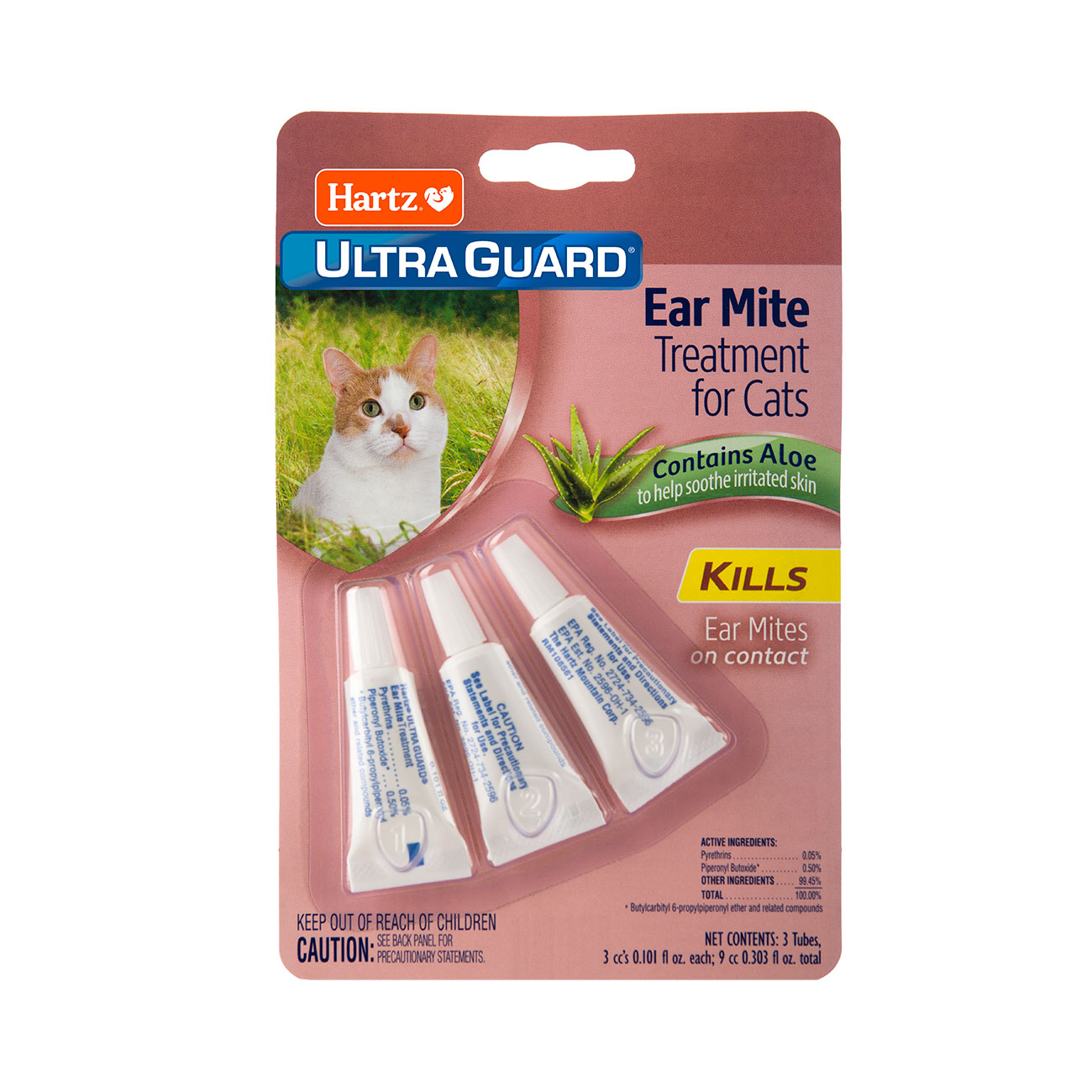
5. Environmental Treatments
Treating only your cat is not enough. Fleas spend much of their life cycle off the animal, hiding in carpets, bedding, and furniture. In warm climates, fleas can survive all year. In cooler areas, they may be less active in winter, but indoor heating can let them thrive year-round. Vacuuming, washing bedding, and using household sprays or foggers every 3-6 months can help keep your home flea-free.
Credit: www.hartz.com
Factors That Affect Treatment Frequency
Every cat and household is different. Here are important things to consider:
Indoor Vs. Outdoor Cats
- Indoor cats: May need year-round monthly treatment, especially if other pets go outside or if you live in a warm climate.
- Outdoor cats: Should always be on monthly prevention. They have a higher risk of bringing fleas home.
Local Climate
- Warm climates: Fleas are active all year. Treat every month without pause.
- Cold climates: Fleas may be less active in winter, but stopping prevention can be risky if you have a heated home or other pets.
Multi-pet Homes
If you have dogs, other cats, or even visiting animals, all pets must be treated. Fleas can jump from one animal to another, making it almost impossible to control with only partial treatment.
Cat’s Age And Health
- Kittens: Some products can’t be used on young kittens. Always check the label or ask your vet.
- Elderly or sick cats: Sensitive cats may need special products. Never use dog flea treatments on cats — they can be toxic.
Types Of Flea Treatments For Cats
Choosing the right flea treatment depends on your cat’s needs, your environment, and your budget. Here’s a quick comparison:
| Type | How Long It Lasts | How It’s Used | Pros | Cons |
|---|---|---|---|---|
| Spot-on Liquid | 1 month | Applied to skin | Easy, effective | Can cause skin irritation |
| Oral Tablet | 1 day to 1 month | Given by mouth | Fast, no mess | Some cats hate pills |
| Flea Collar | Up to 8 months | Worn around neck | Long-lasting | May not fit all cats |
| Spray/Powder | Few days to 1 week | Sprayed or dusted | Immediate effect | Short duration, messy |
Common Mistakes Cat Owners Make
Many cat owners start strong, then make simple mistakes that let fleas come back. Here are some pitfalls to avoid:
- Stopping treatment too soon: Even if fleas disappear, eggs may still be in your home. Keep treating monthly for at least 3 months after you spot fleas.
- Treating only one pet: If you have more than one pet, treat all of them.
- Using the wrong product: Never use dog flea products on cats. Some ingredients are deadly for cats.
- Forgetting the environment: Fleas live in carpets, bedding, and furniture. Clean your home as well as your pet.
- Not following instructions: Using too little or too much can be dangerous. Always read the label.
Signs Your Cat Needs Flea Treatment
You won’t always see fleas jumping on your cat. Here are signs that should make you check for fleas:
- Excessive scratching or biting at skin
- Hair loss, especially around the tail or neck
- Tiny black specks (“flea dirt”) in the fur
- Red, irritated skin
- Pale gums (may signal anemia in severe infestations)
- Restlessness or discomfort
If you find fleas or flea dirt, start treatment right away and continue as recommended.
How To Apply Flea Treatments Correctly
Applying flea products the right way helps them work best and keeps your cat safe.
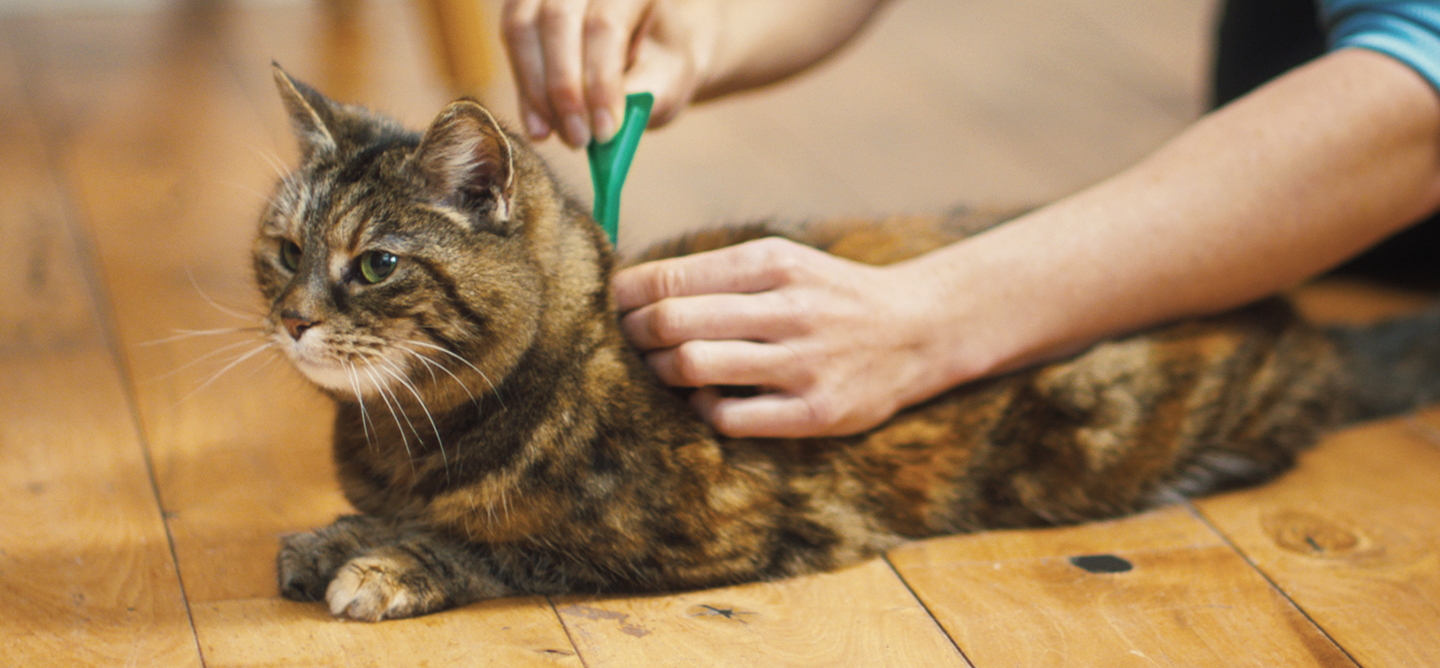
For Spot-on Treatments
- Part the fur between the shoulder blades until you see the skin.
- Squeeze the full tube onto the skin, not just the fur.
- Don’t bathe your cat for 48 hours after application.
- Prevent your cat from licking the area.
For Oral Medications
- Place the pill in your cat’s mouth or hide it in a treat.
- Make sure your cat swallows the whole dose.
- Some oral meds work better with food — check the label.
For Collars
- Fit the collar snugly, with room for two fingers between collar and neck.
- Trim extra length to prevent chewing.
If you’re unsure, ask your vet or a professional groomer for a demonstration.
Flea Treatment Schedule Examples
Here’s what a typical flea treatment schedule might look like for different situations:
| Cat Type | Product | Frequency | Notes |
|---|---|---|---|
| Indoor only | Spot-on or collar | Every 4 weeks (spot-on) / Replace collar as directed | Year-round in most climates |
| Outdoor/indoor | Spot-on or oral | Every 4 weeks | Never skip a dose |
| Multiple pets | Spot-on for all | Every 4 weeks | Treat all pets together |
| Kittens | Vet-approved spray or spot-on | As directed | Check age limits on products |
Credit: uk.frontline.com
What If Flea Treatments Don’t Work?
Sometimes, fleas seem to survive even after regular treatment. Here’s what to do:
- Check your application method: If you miss the skin or use too little, the product may not work.
- Treat the environment: Vacuum daily, wash all bedding, and use flea sprays in your home.
- Switch products: Fleas can develop resistance. Your vet may suggest a different treatment.
- See your vet: If your cat is still itchy or sick, a vet check is best. Some skin problems look like fleas but need other treatments.
Are Natural Remedies Effective?
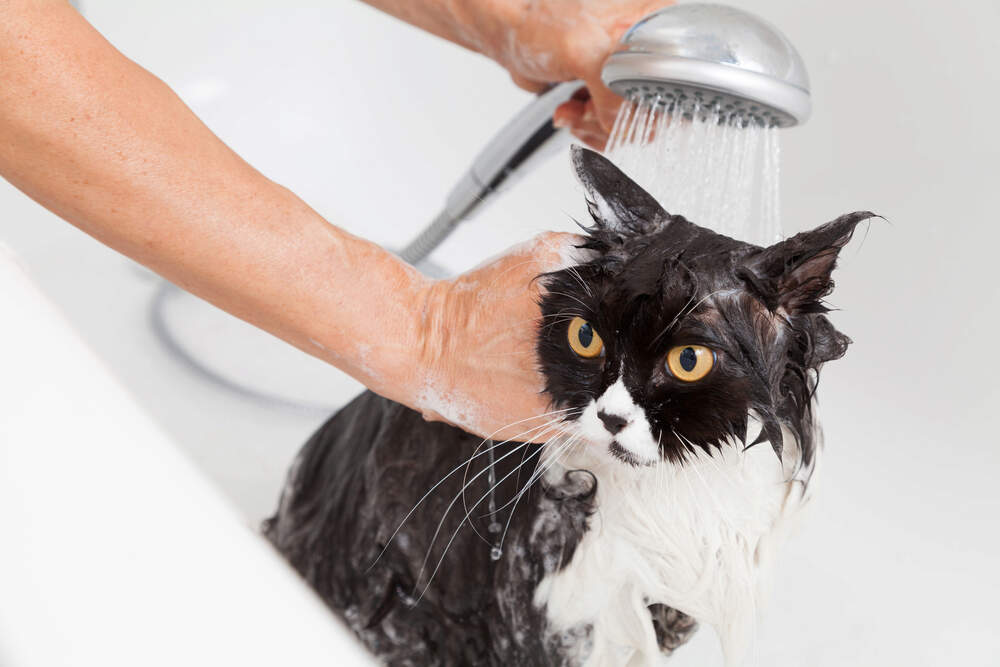
Many people search for natural flea remedies, like essential oils or vinegar. Be careful: some natural products can harm cats, especially essential oils. There is little scientific evidence that these remedies work well. If you want to try a natural solution, always ask your vet first.
Credit: www.adamspetcare.com
The Cost Of Flea Prevention Vs. Treatment
Preventing fleas is usually much cheaper than fighting an infestation. Here is a basic cost comparison:
| Prevention | Average Cost (per month) | Infestation Treatment | Average Cost (one time) |
|---|---|---|---|
| Spot-on | $10-$20 | Vet visit | $50-$100 |
| Flea collar | $5-$10 | Home sprays/foggers | $20-$80 |
| Oral meds | $15-$25 | Professional cleaning | $100-$300 |
As you can see, regular prevention is more affordable and less stressful than dealing with a big flea problem.
When To Ask A Veterinarian
If your cat is young, pregnant, sick, or has a skin condition, always ask your veterinarian before starting a new flea product. Vets can help choose the safest and most effective solution for your pet. They can also help if fleas keep coming back, or if your cat has a reaction to treatment.
For more details about flea life cycles and control, see this page from the VCA Animal Hospitals.
Frequently Asked Questions
How Do I Know If My Cat Has Fleas?
Look for signs like scratching, biting, or black specks in your cat’s fur (flea dirt). Use a fine-toothed comb to check the base of the tail or neck. Even indoor cats can get fleas.
Can I Stop Flea Treatment In Winter?
If you live in a very cold climate with no indoor heating and no other pets, you might reduce treatment in winter. However, most homes stay warm enough for fleas to survive, so year-round prevention is safest.
Are Flea Treatments Safe For Kittens?
Not all products are safe for young kittens. Some spot-ons are okay for kittens as young as 8 weeks, but always read the label or ask your vet before use.
What Should I Do If My Cat Reacts Badly To Flea Treatment?
Wash off any topical product with mild soap and water. Contact your vet right away if you see vomiting, drooling, seizures, or severe skin irritation.
Do I Need To Treat My Home If I Treat My Cat?
Yes! Fleas live in carpets, bedding, and furniture. Vacuum, wash bedding, and use approved sprays to break the flea life cycle and prevent re-infestation.
Keeping your cat free from fleas is a year-round commitment, but with the right approach, you can protect your pet and your home. Regular prevention, careful product use, and good home hygiene are the best ways to keep fleas away for good.
