Every dog owner has felt it—the moment when your calm companion suddenly becomes anxious, hyperactive, or even scared. Maybe it’s during thunderstorms, vet visits, or simply when guests arrive. Dogs, just like people, can feel stressed or overwhelmed. The good news is, you can help your furry friend relax and feel safe. Understanding how to calm a dog down is not just about stopping bad behavior; it’s about helping your dog feel secure and happy. Whether you have a puppy learning the ropes or an older dog struggling with changes, knowing the right techniques can make a big difference. Let’s dive into effective ways to soothe your dog, avoid common mistakes, and build a stronger bond.
Why Dogs Get Anxious Or Overexcited
Dogs can become restless for many reasons, and the first step is to figure out what’s causing their stress. Common triggers include loud noises, separation from owners, new environments, or unfamiliar people and animals. Sometimes, your dog’s breed or past experiences can also play a role. For example, herding breeds often need more mental stimulation, while rescue dogs might have fears based on their past. Recognizing the trigger helps you choose the right calming method.
Immediate Calming Techniques
When your dog is already upset, you need simple, quick actions that can help instantly. Here are proven ways to calm your dog right away:
- Speak Softly and Slowly: Lower your voice and use calm, gentle words. Dogs respond to your energy. If you’re relaxed, your dog is more likely to calm down.
- Physical Contact: Pet your dog with slow strokes along the back or chest. Some dogs like gentle ear massages. Touch can reassure your pet that everything is okay.
- Remove Triggers: If possible, take your dog away from the source of stress. Move to a quiet room or close windows to block noise.
- Offer a Safe Space: Create a cozy spot with a bed or blanket where your dog feels protected.
- Distraction with Toys: Give a chew toy or puzzle feeder. This not only distracts your dog but also releases calming hormones as they chew.
Pro Tip: Avoid grabbing or hugging tightly if your dog is highly anxious. Some dogs may feel trapped and get more scared.
Credit: dogloverstore.com
Long-term Solutions For Calmer Dogs
Quick fixes are helpful, but lasting change takes daily effort. Here are the best ways to build a calmer, more confident dog over time.
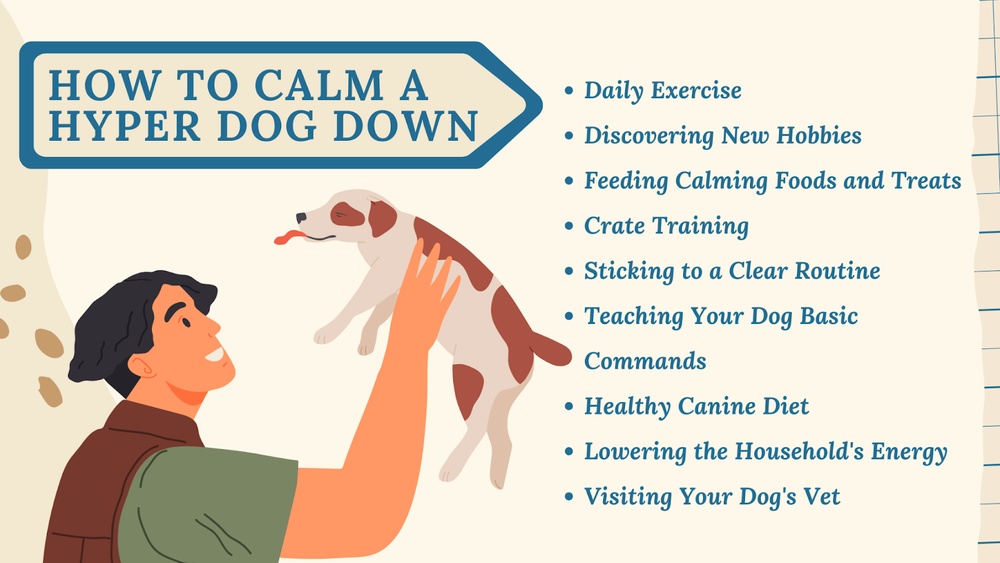
1. Regular Exercise
Active dogs are usually calmer indoors. Physical activity helps burn off extra energy and reduces stress hormones.
- Walks: Aim for at least 30 minutes twice a day, adjusting for your dog’s age and breed.
- Playtime: Games like fetch or tug-of-war are great for both mind and body.
2. Mental Stimulation
A bored dog often becomes anxious or destructive. Keep your dog’s mind busy with:
- Training sessions: Teach new tricks or practice commands.
- Puzzle toys: Toys that hide treats make your dog think and work.
- Scent games: Hide treats around the house for your dog to find.
3. Consistent Routine
Dogs feel safer when they know what to expect. Feed, walk, and play with your dog at the same times every day. If you change your routine, try to do it gradually.
4. Proper Socialization
Introduce your dog to new people, places, and other dogs slowly. Start with calm environments and praise calm behavior. Well-socialized dogs are less fearful and more relaxed.
5. Safe Spaces And Comfort Items
Some dogs like to have a “den”—a crate, bed, or corner where they can relax. Let your dog choose a favorite toy or blanket that smells like home. This gives comfort during stressful times.
6. Training With Positive Reinforcement
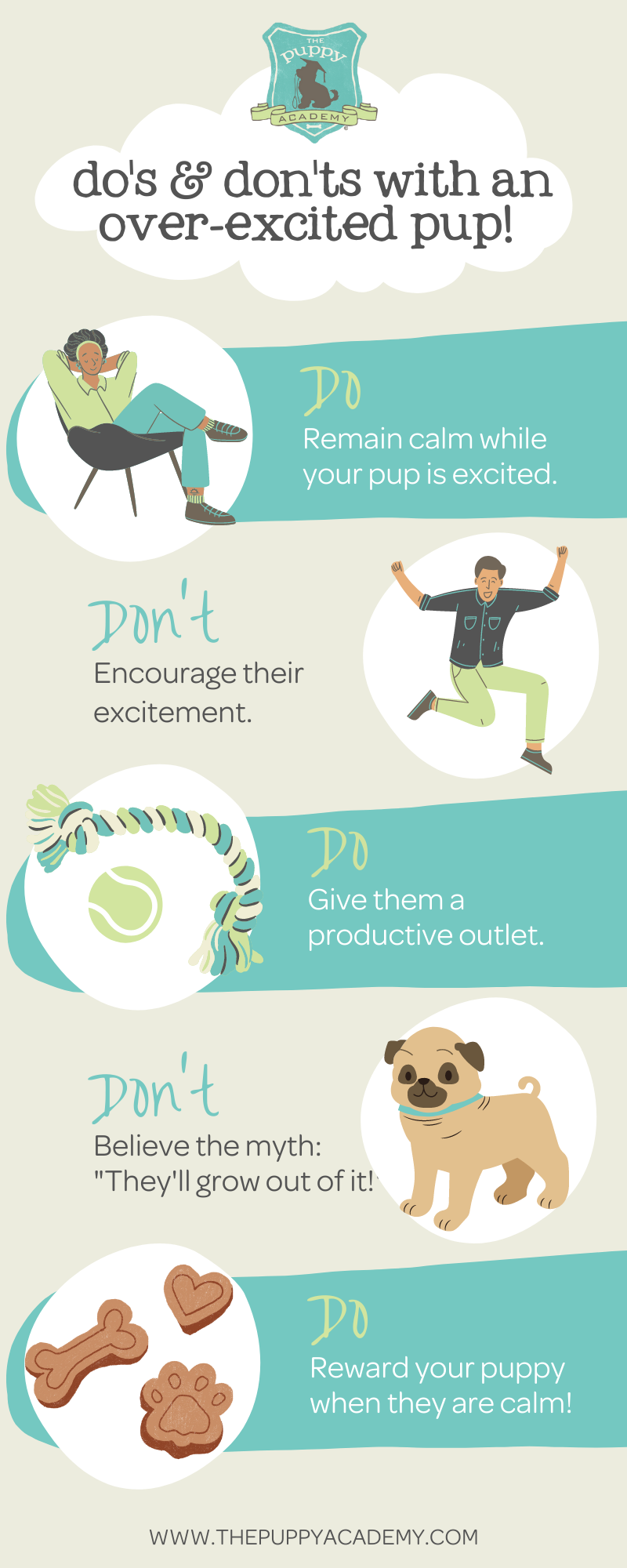
Reward calm behavior with treats, praise, or play. Ignore unwanted behavior when safe. Dogs learn that being calm brings good things.
7. Desensitization To Triggers
Gradually expose your dog to things that scare or excite them, but at a low level. For example, play recordings of thunder quietly and reward calmness. Increase the volume slowly over days or weeks.
8. Use Of Calming Products
There are products designed to help anxious dogs:
- Thundershirts: Tight-fitting shirts that apply gentle pressure, like a hug.
- Calming pheromone diffusers: Release scents that mimic a mother dog.
- Natural supplements: Ask your vet before using products like CBD or melatonin.
9. Veterinary Help
If your dog’s anxiety is severe, talk to your vet. Sometimes anxiety is linked to pain or illness. Medication may help in extreme cases, but should be a last resort.
Signs Your Dog Is Stressed
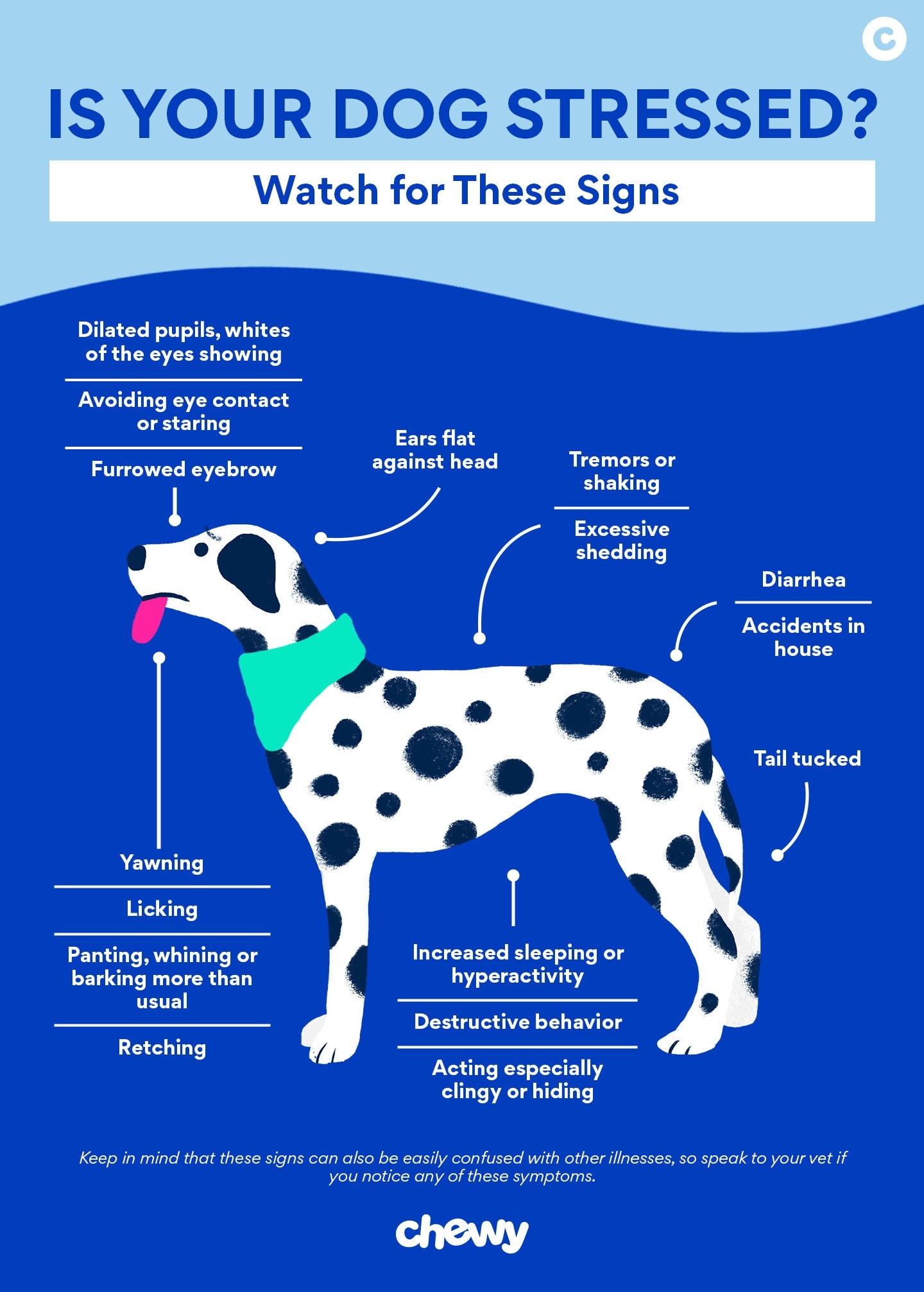
Recognizing stress early can prevent bigger problems. Look for these signs:
- Panting when not hot
- Pacing or restlessness
- Whining, barking, or growling
- Hiding or trying to escape
- Shaking or drooling
- Excessive licking or chewing
Some signs are easy to miss, such as yawning or showing the whites of the eyes. Learn your dog’s normal behavior so you can spot changes.
Calming Your Dog In Specific Situations
Every situation is different. Here’s how to help your dog during common stressful times.
Thunderstorms And Fireworks
Loud noises are a top fear for many dogs. During storms or fireworks:
- Close windows and curtains to block sound and flashes.
- Play calming music or white noise.
- Use a Thundershirt or comfort item.
- Stay calm yourself—dogs pick up on your mood.
When Guests Visit
Strangers can be scary or exciting. Before guests arrive:
- Exercise your dog to reduce energy.
- Ask guests to ignore your dog at first.
- Let your dog approach at their own pace.
- Provide a safe space if your dog wants to hide.
During Vet Visits
Many dogs fear the vet. Make visits easier by:
- Practicing car rides and handling at home.
- Bringing a favorite toy or blanket.
- Using treats and calm praise during the visit.
When Left Alone
Separation anxiety is common. Prevent it by:
- Leaving for short periods and gradually increasing time away.
- Giving a special treat or toy only when you leave.
- Not making a big fuss when you come and go.
Foods And Supplements That May Help
Some foods and supplements can support a calmer mood. Always check with your vet before making changes. Popular options include:
- L-theanine: An amino acid found in green tea, known to help with anxiety.
- CBD oil: Some owners report calmer dogs, but research is still ongoing.
- Chamomile and valerian root: Natural herbs with mild calming effects.
- Prescription diets: Some brands make foods designed for anxious dogs.
Credit: www.thepuppyacademy.com
Common Mistakes Owners Make
Even caring owners sometimes make anxiety worse. Watch out for these errors:
- Punishing anxious behavior: Yelling or scolding can increase fear.
- Comforting too much: Over-cuddling may reward anxiety. Give calm attention, but don’t fuss over the dog.
- Changing routines suddenly: Dogs rely on predictability.
- Ignoring exercise needs: A tired dog is a calm dog.
- Using the crate as punishment: The crate should be a safe, positive space.
Practical Comparison: Calming Methods
Here’s a look at some popular calming solutions and how they compare:
| Method | Best Use | Speed | Cost | Risks |
|---|---|---|---|---|
| Exercise | Daily routine | Medium | Low | Low (unless overdone) |
| Safe Space | During triggers | Fast | Low | None |
| Calming Products | Storms, visitors | Medium | Medium | Possible allergy |
| Supplements | Long-term anxiety | Slow | Medium | Side effects |
| Medication | Severe anxiety | Fast | High | Side effects |
When To Seek Professional Help
Sometimes, home methods are not enough. If your dog shows aggression, self-harm, or destructive chewing, it’s time to call a professional. Certified dog trainers or veterinary behaviorists can create a custom plan for your dog.
Not-so-obvious Insights Most Owners Miss
First, dogs watch your body language more than you think. If you tense up, move quickly, or use a high-pitched voice, your dog may mirror your stress. Practicing calm breathing and slow movements can make a big difference.
Second, some calming techniques need practice before the real event. For example, don’t wait for a thunderstorm to try a Thundershirt. Introduce it during calm times so your dog feels safe wearing it when stress hits.
Data Table: Dog Anxiety Triggers (survey Results)
To better understand what makes dogs anxious, here are results from a recent survey of 1,000 dog owners:
| Trigger | Percentage of Dogs Affected |
|---|---|
| Loud Noises (Thunder, Fireworks) | 63% |
| Separation from Owner | 45% |
| Strangers/Visitors | 37% |
| Vet Visits | 29% |
| Car Rides | 14% |
Building Trust For A Lifetime
Helping your dog stay calm is an ongoing process, not a one-time fix. Each dog is unique, and what works for one may not work for another. The key is patience, understanding, and consistency. Celebrate small wins, and remember that every effort you make builds trust and deepens your bond.
If you want to learn more about dog behavior and anxiety, the American Kennel Club has a wealth of resources: AKC: How to Calm a Dog.
Credit: www.chewy.com
Frequently Asked Questions
What Is The Fastest Way To Calm A Dog?
The quickest methods are removing the trigger, gentle petting, and offering a safe space. Speaking softly and moving slowly can also help instantly.
Can Food Help Calm My Dog Down?
Yes, certain diets and supplements like L-theanine, chamomile, or prescription calming foods may help. Always consult your vet before making changes.
Should I Punish My Dog For Anxious Behavior?
No. Punishing a stressed dog can make things worse. Focus on positive reinforcement and calming techniques instead.
How Can I Tell If My Dog Is Stressed?
Look for signs like panting, pacing, whining, or hiding. Changes in behavior, such as losing interest in toys or food, are also clues.
When Do I Need Professional Help?
If your dog’s anxiety leads to aggression, self-harm, or constant distress, contact your vet or a certified trainer for expert support.
Helping a dog calm down is a journey of learning and trust. With patience and the right approach, you can make life happier for both you and your four-legged friend.
