Fireworks may bring joy to people, but for many dogs, they are a source of fear and anxiety. The loud noises, flashing lights, and sudden booms can turn even the calmest pet into a bundle of nerves. If you have ever watched your dog shake, whine, or try to hide during a fireworks show, you know how hard it can be for them.
The good news is you are not helpless. There are several proven ways to help your dog feel safer and calmer during fireworks. Understanding why dogs react this way and learning the right strategies can make a big difference for your furry friend.
Let’s look at how you can support your dog before, during, and after fireworks events.
Why Dogs Fear Fireworks
Most dogs have much better hearing than humans. Sounds that seem normal to us may be very loud or even painful to a dog. Fireworks are unpredictable and often happen in the evening or night, making the experience even more frightening.
Dogs do not understand where the noise comes from or that it is not a real threat. This makes them feel unsafe.
Some common signs of fear in dogs during fireworks include:
- Trembling or shaking
- Hiding or trying to escape
- Barking or whining
- Pacing
- Drooling or panting heavily
If you notice any of these signs, your dog is likely stressed and needs support.
Preparing Your Dog In Advance
The best way to help your dog is to prepare before fireworks start. Preparation can make your dog’s reaction much milder when the big night comes.
Create A Safe Space
Choose a quiet room or area in your home where your dog feels comfortable. Fill it with their bed, favorite toys, and a blanket. If possible, use a room without windows or one where you can close curtains to block out flashes.
You can even play soft music to mask outside sounds.
Practice Desensitization
This means slowly getting your dog used to the sound of fireworks. Play recordings of fireworks at a very low volume while giving your dog treats or playing with them. Over several weeks, increase the volume a little at a time, always pairing it with positive experiences.
If your dog seems nervous, lower the volume and go slower.
Maintain A Routine
Dogs feel safer when they know what to expect. Keep feeding, walking, and playtimes regular on the days leading up to fireworks. Avoid big changes that might add stress.
Use Positive Reinforcement
Reward calm behavior with treats or gentle praise. This teaches your dog that being relaxed brings good things, even when there are strange noises.

Credit: www.thedodo.com
What To Do During Fireworks
When the fireworks start, your dog may need extra help. Here’s how you can support them in the moment.
Keep Your Dog Indoors
Never leave your dog outside during fireworks. Even dogs who are usually calm can panic and try to escape. Close all doors and windows to reduce noise and keep your pet safe.
Stay Calm Yourself
Dogs often pick up on their owners’ emotions. If you act stressed or worried, your dog may become more anxious. Speak softly and move slowly to show your dog there’s nothing to fear.
Distract With Activities
Give your dog a special chew toy or a food puzzle. This can help take their mind off the noise. Sometimes, playing gentle games or practicing tricks can help, but do not force your dog if they just want to hide.
Use Sound Masking
Turn on the TV, radio, or a white noise machine to cover up fireworks sounds. Choose calm music or natural sounds that are soothing to dogs.
Offer Comfort, But Don’t Overdo It
Some dogs like to be near their owners during fireworks. You can sit with your dog, pet them gently, or let them cuddle with you if they want. However, do not force them to interact if they prefer to hide.
Too much attention can sometimes make anxiety worse.
Tools And Products That Help
Many products are designed to help dogs with noise anxiety. Some can be used alone, while others work best as part of a larger plan.
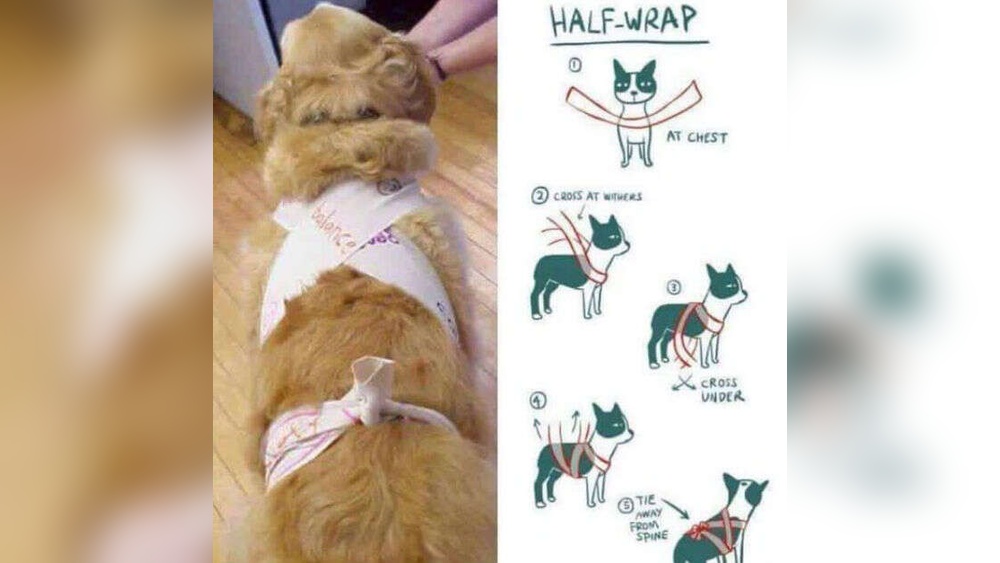
Anxiety Wraps And Thundershirts
These are special vests that fit snugly around your dog’s body. The gentle pressure can have a calming effect for some dogs, similar to swaddling a baby.
Calming Sprays And Diffusers
Products with pheromones or calming scents can help some dogs relax. Look for sprays or plug-in diffusers designed for pet anxiety.
Prescription And Natural Remedies
For severe cases, your veterinarian may suggest medication or supplements. Never give your dog human medicine without talking to your vet first. Natural options like CBD oil or melatonin are sometimes used, but their effects can vary.
To help you compare the most common calming products, here’s a quick overview:
| Product Type | How It Works | Best For | Notes |
|---|---|---|---|
| Anxiety Wrap | Applies gentle pressure | Mild to moderate anxiety | Easy to use, reusable |
| Pheromone Diffuser | Releases calming chemicals | General anxiety | Odorless, works in background |
| Calming Treats | Herbal or amino acids | Minor stress | Check ingredients for allergies |
| Prescription Medication | Alters brain chemistry | Severe cases | Vet supervision required |
The Importance Of Training And Socialization
Training your dog to handle new experiences calmly can reduce fireworks fear over time.
Counterconditioning
This is a process where you change your dog’s emotional response to fireworks. For example, every time a firework sounds, give your dog a tasty treat. Over time, your dog may start to connect the noise with something positive.
Obedience Training
Basic commands like “sit,” “stay,” and “come” can give your dog a sense of control. Practice these commands in different settings and with mild distractions so your dog learns to focus even when stressed.
Socialization
Expose your dog to different sights and sounds in a safe way from a young age. Well-socialized dogs are often more confident and less likely to develop severe fears.
Here’s how common training methods compare:
| Method | What It Involves | Time Needed | Best For |
|---|---|---|---|
| Desensitization | Slow exposure to sounds | Weeks to months | Puppies or young dogs |
| Counterconditioning | Pairing noise with treats | Several sessions | All ages |
| Obedience Training | Practicing basic commands | Ongoing | All dogs |
What Not To Do
Even with the best intentions, some common mistakes can make things worse for your dog.
Do Not Punish Fear
Never scold or punish your dog for being afraid. This only increases their anxiety and damages trust.
Avoid Forcing Exposure
Do not drag your dog outside to “face their fear. ” This can make the problem worse and even lead to aggression or injury.
Do Not Ignore Severe Reactions
If your dog is so scared they hurt themselves, stop eating, or have accidents in the house, do not ignore it. Severe anxiety may need help from a professional trainer or veterinarian.

Credit: www.freep.com
After The Fireworks: Helping Your Dog Recover
Once the noise is over, your dog may still feel unsettled. Here’s how to help them recover.
- Give your dog time to calm down naturally. Let them rest in their safe space.
- Offer gentle attention, but only if your dog wants it.
- Keep the next few days calm and predictable. Return to your normal routine as soon as possible.
If your dog’s anxiety seems to get worse with each fireworks event, it’s a good idea to talk to your veterinarian. Long-term anxiety can affect your dog’s health and quality of life.
Real-world Examples
Many dog owners have faced this challenge. For instance, a 2021 study found that nearly 45% of dogs show signs of fear during fireworks. Some owners report success with a mix of anxiety wraps, white noise, and desensitization training. Others find that their dogs need medication for the worst nights. Every dog is different, so it may take some trial and error to find what works best.
Two Insights Many Owners Miss
- Start Early: Most people wait until the day of the fireworks to help their dog. In reality, preparation weeks or even months ahead brings the best results, especially with training and desensitization.
- Each Dog Is Unique: What calms one dog may do nothing for another. Some breeds are naturally more sound-sensitive. For example, herding breeds like Border Collies and Australian Shepherds are often more reactive than others. Always adapt your plan to your individual dog.
Quick Reference: Dos And Don’ts During Fireworks
| Do | Don’t |
|---|---|
| Keep your dog indoors | Leave windows or doors open |
| Provide a safe space | Punish fearful behavior |
| Play calming music | Force interactions |
| Reward calmness | Ignore severe anxiety |
When To Seek Professional Help
If your dog’s anxiety is extreme or does not improve with home strategies, a certified dog trainer or veterinary behaviorist can help. They can build a customized plan and suggest therapies that are safe and effective. In rare cases, fireworks phobia may be a sign of deeper behavior problems that need expert care.
For more on canine anxiety and treatments, you can read the American Kennel Club’s guide on fireworks and dogs: American Kennel Club.
Frequently Asked Questions
What Signs Show My Dog Is Scared Of Fireworks?
Look for shaking, hiding, drooling, barking, panting, or trying to escape. Some dogs may also stop eating or become extra clingy.
Can I Give My Dog Human Anxiety Medicine?
No. Never give human medication to your dog without your vet’s advice. Some drugs are dangerous for dogs and can even be fatal.
Are Certain Breeds More Scared Of Fireworks?
Yes. Herding breeds and hunting breeds often react strongly to loud noises. However, any dog can develop a fear, no matter the breed or age.
Will My Dog Grow Out Of This Fear?
Some young dogs may improve with time and training, but most need ongoing support and positive experiences to reduce their fear. Do not expect the problem to go away on its own.
How Early Should I Start Preparing My Dog For Fireworks?
Start at least a few weeks before fireworks season. The earlier you begin, the more likely your dog will cope better.
Helping your dog through fireworks anxiety is not always easy, but with patience and the right approach, you can make these noisy nights less stressful. Every small step you take now builds your dog’s confidence for the future.

Credit: www.northogdenanimalhospital.com
