
Bringing home a new puppy is exciting, but the joy can fade quickly when your nights are filled with whining, whimpering, or barking. Many new puppy owners are surprised by how much their young dog cries during those first nights.
This isn’t just about missing out on sleep—puppy crying can make you worry if you’re doing something wrong or if your puppy is unhappy. The good news is that night-time crying is very common, and you can help your puppy settle more quickly with the right approach.
Understanding why puppies cry, and using proven methods, can help you (and your puppy) rest better. In this article, you’ll learn what causes night crying, how to prevent it, and step-by-step strategies to stop your puppy from crying at night.
You’ll also find practical tips, troubleshooting advice, and answers to common questions. If you want peaceful nights and a happy puppy, you’re in the right place.
Why Puppies Cry At Night
Puppies are not being naughty when they cry. Crying is their way of communicating needs or discomfort. Here are the main reasons puppies cry at night:
- Separation anxiety: Puppies are used to being with their mother and littermates. Sleeping alone in a new home can make them feel scared and lonely.
- Need for the toilet: Young puppies cannot hold their bladder for long. They may need to go outside during the night.
- Hunger or thirst: Puppies grow fast and may wake if they are hungry or thirsty.
- Unfamiliar environment: New smells, sounds, and sights can make your puppy anxious.
- Discomfort: The bed may be too hard, too soft, too cold, or too hot.
- Boredom: Puppies have a lot of energy and may not be tired enough to sleep.
Understanding the cause helps you find the best solution.
Preparing For The First Night
Setting up the right environment before bedtime is one of the best ways to reduce crying.
Create A Safe Sleeping Space
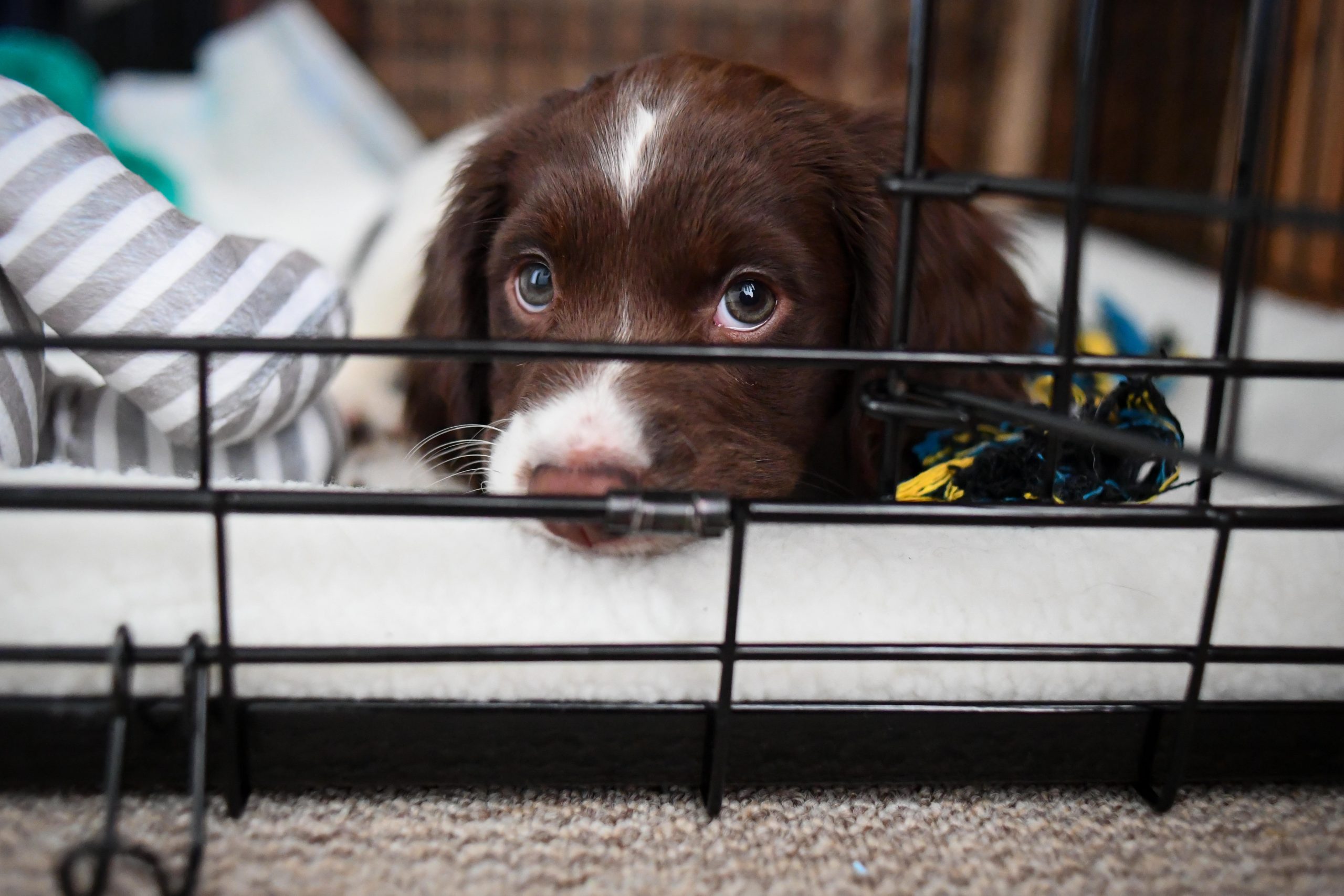
Most experts recommend a crate or a small puppy pen. This helps your puppy feel secure and prevents wandering. Place the crate near your bed, at least for the first few nights. Your presence is comforting.
Inside the crate, add:
- A soft blanket or towel (something with your scent helps)
- A safe chew toy (not small enough to swallow)
- A cuddly toy (for comfort)
Set A Routine
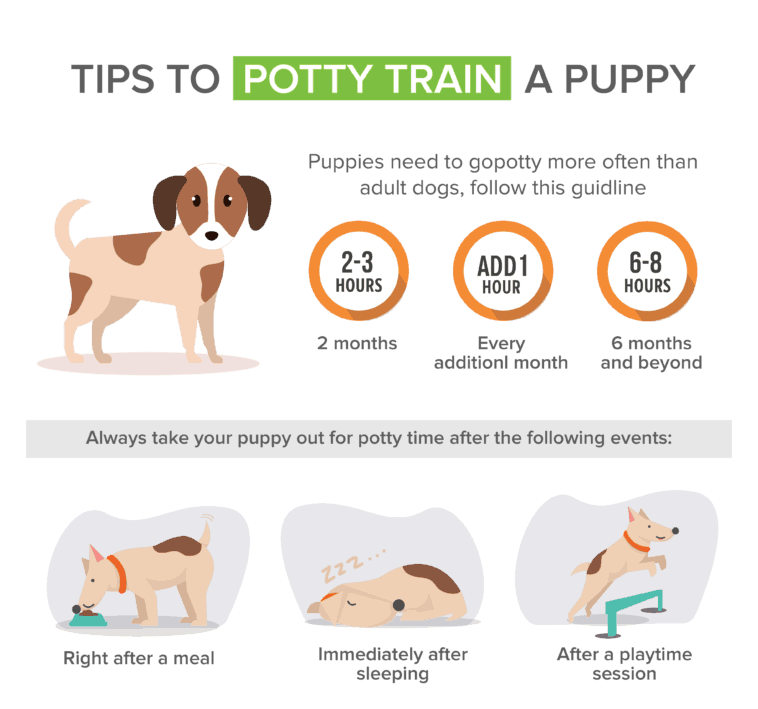
Dogs love routine. Feed your puppy, take them outside, and play at the same times each day. A predictable routine helps puppies relax, because they know what to expect.
Limit Food And Water Before Bed
Give your puppy their last meal 2-3 hours before bedtime. Remove water about one hour before you sleep. This reduces the chance they’ll need to toilet in the middle of the night.
Tire Them Out
A tired puppy is more likely to sleep. Play with your puppy in the evening, but avoid rough games right before bed. Gentle play and a short walk (for vaccinated puppies) are ideal.
Credit: www.better-future.co.il
Night-time Strategies To Stop Crying
Now let’s focus on what to do once it’s bedtime and your puppy starts to cry.
1. Start With Patience
The first few nights are always the hardest. Most puppies need 3-7 nights to adjust to their new home. Some may take longer. Patience is key.
2. Ignore Crying (most Of The Time)
This sounds tough, but it’s important. If you rush to your puppy every time they cry, they learn that crying brings attention. This can make the problem worse.
However, don’t ignore toileting cries. If your puppy has been asleep for a few hours and suddenly cries, they may need the toilet.
3. Scheduled Toilet Breaks
Young puppies (8-12 weeks) usually need to toilet every 3-4 hours at night. Set an alarm, take your puppy outside quietly, and put them back to bed with little fuss.
Toilet Needs By Age
| Puppy Age | Max Hours Between Toilet Breaks | Night Breaks Needed |
|---|---|---|
| 8 weeks | 2-3 hours | 2-3 |
| 12 weeks | 3-4 hours | 1-2 |
| 16 weeks | 4-5 hours | 1 |
4. Comfort Without Rewarding Crying
If you must comfort your puppy, wait for a short pause in the crying before you go to them. This way, they don’t learn that crying gets a reward.
Speak softly and calmly. Avoid picking them up or playing.
5. Use A Comfort Item
A ticking clock or a warm (not hot) water bottle under the bedding can mimic the feeling of sleeping with littermates. Some owners use a shirt with their scent.
6. Gradually Increase Independence
If your puppy sleeps next to your bed, move the crate further away over a week. This step-by-step method prevents sudden separation anxiety.
Practical Tips To Speed Up The Process
Daytime Activity Matters
A puppy with too much energy during the day is likely to cry at night. Make sure your puppy gets enough play, training, and gentle walks (after vaccinations).
Practice Alone Time During The Day
Leave your puppy alone in their crate for short periods during the day. Start with 5 minutes, then build up. This helps them feel safe even when you’re not nearby.
Sound Environment
Some puppies relax with low, soothing background noise. A quiet radio or a white noise machine can cover sudden sounds that might wake your puppy.
Track Progress
Keep a simple log of your puppy’s night-time routine and crying patterns. This helps you spot improvements and identify triggers.
Common Mistakes To Avoid
Even well-meaning owners make mistakes that can prolong crying.
Rushing To The Puppy Every Time
This teaches puppies to cry for attention. Try to wait for quiet moments before checking on them.
Using Punishment
Never shout, tap the crate, or punish a crying puppy. This increases anxiety and can damage your bond.
Inconsistency
Changing your routine or moving the crate frequently can confuse your puppy. Stick to your plan for at least a week.
Letting The Puppy Sleep In Your Bed
This can create dependence. If you want your dog to sleep elsewhere as an adult, start as you mean to go on.
Skipping Toilet Breaks
If your puppy soils their crate, it can set back house-training and make the crate a stressful place.
How Long Does Night Crying Last?
Most puppies sleep through the night by 16 weeks if you use the right strategies. Some breeds (like toy breeds) take longer. If crying continues beyond 3-4 weeks, or gets worse, check with your vet to rule out medical issues.

Credit: www.youtube.com
Crate Vs. No Crate: What Works Best?
Some owners prefer not to crate train. Both methods can work if you create a safe, puppy-proofed area.
Crate And Pen Comparison
| Method | Pros | Cons |
|---|---|---|
| Crate | Safe, speeds up house-training, prevents chewing | Some puppies need time to adjust |
| Puppy Pen | More space, good for long hours alone | Slower house-training, can encourage soiling |
When To Worry: Red Flags
Most puppy crying is normal. But if you notice these signs, get advice from your vet:
- Crying is constant and intense
- Puppy will not settle at all
- Signs of illness: Vomiting, diarrhea, loss of appetite
- Crying has not improved after 3-4 weeks
Non-obvious Insights Most Owners Miss
- Smell is Comfort: Puppies’ sense of smell is 40 times stronger than humans. Leaving an unwashed t-shirt or a piece of bedding from their breeder can reduce anxiety much more than toys or sounds.
- Early Alone-Time Training: Practicing short, positive alone times during the day helps puppies cope better at night. Many owners only focus on night-time, missing the importance of daytime independence.
Realistic Expectations
Puppies are like babies—they need time, training, and patience. Most puppies will not sleep through the night until they are 3-4 months old. Some may have setbacks during teething or growth spurts. Stay consistent, and your puppy will learn.
Credit: www.countrylife.co.uk
Sample Night Routine For Success
To make things practical, here’s an example routine for an 8-week-old puppy:
| Time | Activity |
|---|---|
| 6:00 pm | Playtime and training |
| 7:00 pm | Dinner |
| 8:00 pm | Toilet break and gentle play |
| 9:30 pm | Remove water |
| 10:00 pm | Final toilet break, settle in crate |
| 1:00 am | Quick toilet break (no play, quiet return) |
| 6:00 am | Morning toilet break, start the day |
Adjust the times based on your schedule and your puppy’s needs.
Frequently Asked Questions
How Many Nights Will My Puppy Cry?
Most puppies cry for 3-7 nights as they adjust. With routine and patience, the crying reduces each night. If crying lasts longer than 2 weeks without any improvement, check your approach or consult your vet.
Should I Let My Puppy “cry It Out” All Night?
No. Ignoring all crying can be harmful, especially if your puppy needs to toilet. Respond to cries after a few minutes, especially if it’s time for a toilet break. Avoid picking up your puppy or making it a fun event.
Can I Sleep With My Puppy To Stop The Crying?
Sleeping next to your puppy (with their crate by your bed) is fine for the first few nights. Avoid letting them sleep in your bed unless you want this long-term. Gradually move the crate away as your puppy gains confidence.
My Puppy Is Still Crying After 3 Weeks. What Should I Do?
Check for medical issues, discomfort, or anxiety. Revisit your routine, and see if you’ve accidentally rewarded crying. In rare cases, you may need to seek help from a certified dog trainer or your vet.
Are Some Breeds More Likely To Cry At Night?
Yes. Toy breeds and breeds known for strong bonds (like Cavalier King Charles Spaniels or Labradors) may cry more. Individual personality matters more than breed, though. Consistency helps all breeds.
Helping your puppy sleep through the night takes understanding, structure, and patience. By following these steps, you’ll not only reduce night-time crying but also build a confident, well-adjusted dog. For more on puppy behavior and development, you can check resources like the American Kennel Club. Peaceful nights are possible—just a few steps away.
