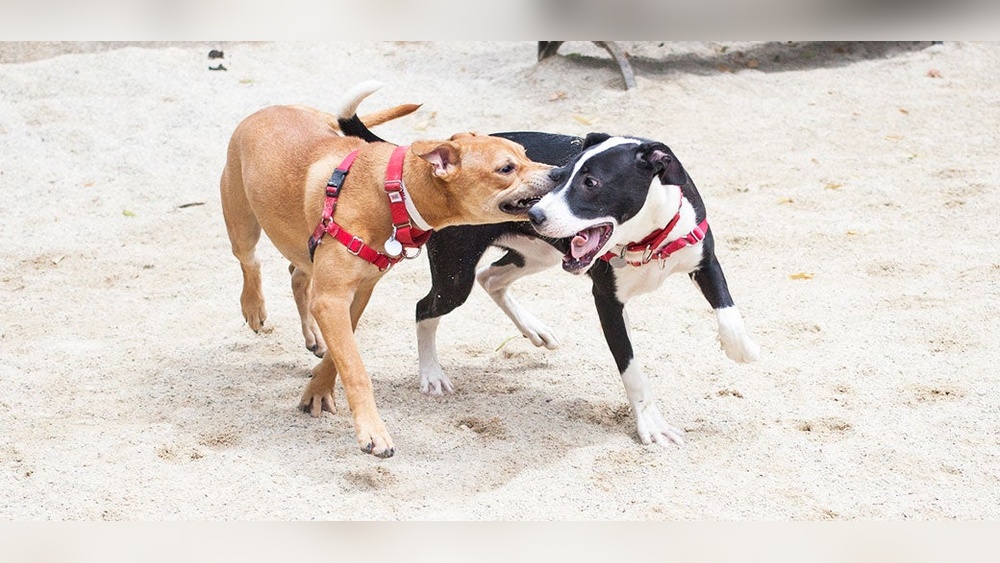
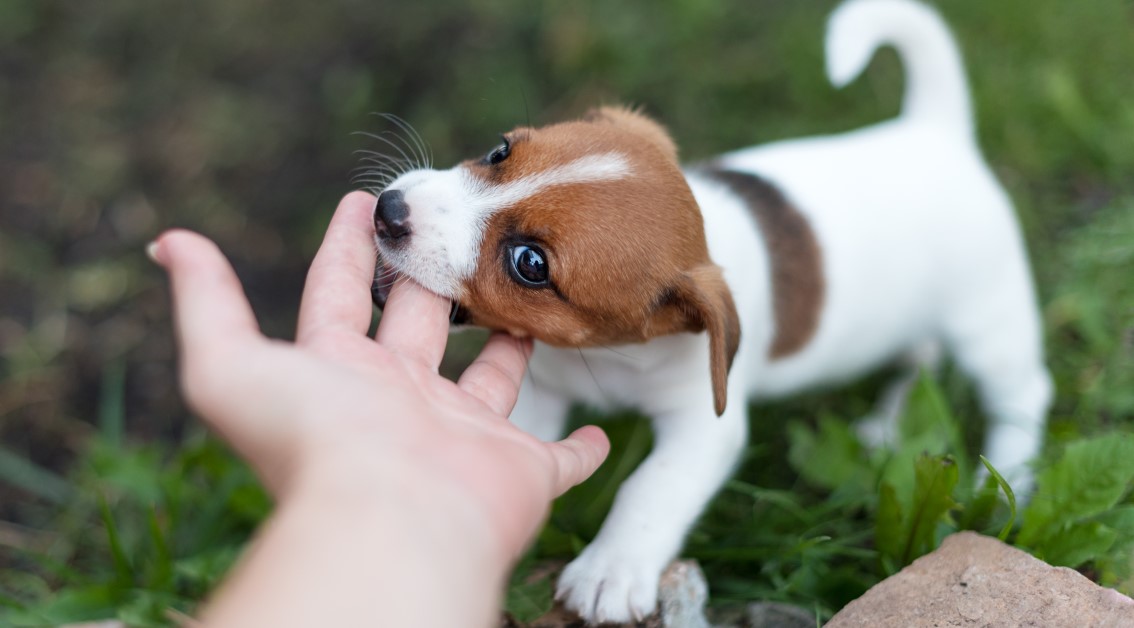
Puppies are bundles of energy, curiosity, and fun. But if you’ve ever welcomed a young dog into your home, you know their sharp little teeth are always busy—nipping, biting, and mouthing everything they can reach. While this behavior is normal, it can quickly become uncomfortable or even dangerous as your puppy grows. Learning how to stop a puppy biting mouthing nipping is essential not only for your comfort, but also for your dog’s development into a well-mannered adult. With the right approach, you can guide your puppy toward gentler habits, making life easier for everyone in your home.
Why Puppies Bite, Mouth, And Nip
Understanding the reasons behind this behavior helps you address it more effectively. Puppies explore the world with their mouths, just like human babies use their hands. Here are the main reasons your puppy bites:
- Teething: Between 3 to 6 months old, puppies experience teething pain. Chewing and biting help relieve discomfort.
- Play: Biting is a natural part of how puppies play with their littermates. They don’t know it hurts humans.
- Exploration: Puppies use their mouths to investigate new objects, people, and even other animals.
- Attention-seeking: Sometimes, biting gets a reaction, even if it’s negative.
- Overstimulation: When puppies get too excited, they may bite or nip without realizing it.
It’s important to remember that most puppies do not bite out of aggression. The key is to teach them what is acceptable, and what is not.
The Difference Between Play Biting And Aggression
Many new dog owners worry their puppy is being aggressive when it bites. In most cases, puppy biting is playful mouthing, not a sign of aggression. Here’s how you can tell the difference:
| Play Biting | Aggressive Biting |
|---|---|
| Soft, controlled bites | Hard, intense bites |
| Relaxed body, wagging tail | Stiff posture, growling, snarling |
| Stops when you yelp or pull away | Continues or escalates even after correction |
| Often happens during play | Often linked to fear or resource guarding |
Most biting in puppies is normal and not a sign of future aggression. Still, it’s wise to teach them limits early.
How To Stop A Puppy Biting, Mouthing, And Nipping
Training your puppy to use its mouth gently takes patience and consistency. Here are proven methods to stop unwanted biting:
1. Teach Bite Inhibition
Bite inhibition means your puppy learns to control the force of its bite. This is one of the most important lessons. When puppies play with each other, if one bites too hard, the other will yelp and stop playing. You can use this natural lesson:
- When your puppy bites too hard, make a high-pitched “ouch!” or yelp.
- Immediately stop playing and pull your hand away.
- Ignore your puppy for 20-30 seconds.
- Resume play only if the puppy calms down.
Repeat this every time. Your puppy will learn that biting hard means the fun stops.
2. Redirect To A Toy
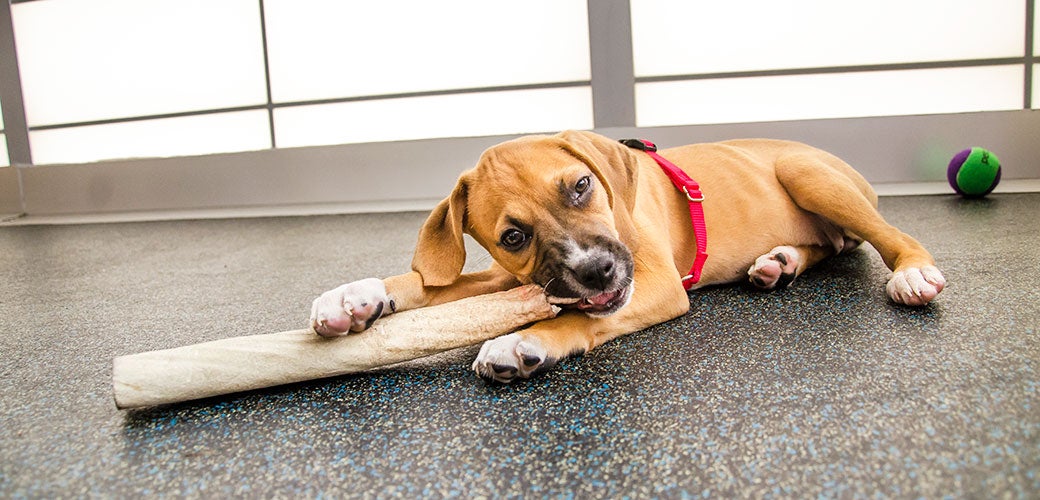
When your puppy starts nipping at hands or feet, offer a chew toy instead. Always have toys nearby during playtime. This teaches your puppy that toys are for biting, not skin.
- Choose durable, safe toys made for teething puppies.
- Praise your puppy when it chews the toy instead of your hand.
- Switch up toys often to keep your puppy interested.
3. Avoid Rough Play
Games like wrestling or letting your puppy chase your hands encourage biting. Stick to gentle play, like fetch or tug-of-war (with rules). If your puppy gets too excited, pause the game and let it calm down before starting again.
4. Use Time-outs
If your puppy continues biting after several warnings, use a brief time-out. This teaches that biting leads to no attention.
- Place your puppy in a safe, quiet space for 30-60 seconds.
- Do not yell or scold—just calmly remove your attention.
- After the time-out, let your puppy rejoin the family.
5. Socialize With Other Puppies
Puppies learn best from each other. Arrange playdates with vaccinated puppies. Puppy classes are also helpful. Other puppies will teach bite control through natural play.
6. Stay Calm And Consistent
Never hit, yell at, or physically punish your puppy. This can make biting worse or lead to fear. Use a calm voice and repeat the same actions every time. Everyone in your home should follow the same rules.
7. Reward Good Behavior
When your puppy licks, sits calmly, or plays without biting, offer praise and treats. Positive reinforcement is powerful. Your puppy will repeat behaviors that bring rewards.
8. Manage Teething Pain
Teething puppies need safe items to chew. Offer frozen wet washcloths, rubber teething toys, or specially designed chews. This eases gum pain and keeps their mouth busy.
9. Avoid Encouraging Biting
Sometimes, we send mixed messages. Don’t let your puppy chew on your fingers, even if it’s gentle. Avoid using your hands as toys. If your puppy nips at clothing or shoes, immediately stop moving and redirect to a toy.
10. Set Up A Puppy-proof Area
If your puppy gets overexcited or tired, place it in a safe space with toys. This prevents accidents and helps your puppy relax. Puppies need lots of sleep—an overtired puppy is more likely to bite.
11. Teach Basic Commands
Training simple commands like “sit,” “stay,” and “leave it” gives you tools to redirect your puppy’s attention. For example, if your puppy starts biting, ask for a “sit” and reward with a treat.
12. Use Taste Deterrents
If your puppy bites furniture, shoes, or other off-limits items, you can use a taste deterrent spray. These sprays are safe but taste bitter. Only use as a last resort, and always pair with training and redirection.
13. Provide Enough Exercise And Mental Stimulation
A bored puppy will find trouble, including biting. Make sure your puppy gets enough play, walks, and puzzle toys. Mental challenges tire out your puppy and reduce nipping.
14. Watch For Overstimulation
Sometimes, puppies bite when they are too excited or overstimulated. Learn to spot the signs: zooming around, jumping, barking, or biting more than usual. Give your puppy a break in a quiet area when needed.
15. Involve All Family Members
Everyone must follow the same rules. If one person allows gentle biting but others don’t, your puppy will be confused. Teach children how to play safely and calmly with the puppy.
16. Know When To Get Professional Help
If your puppy’s biting is severe, draws blood, or is combined with growling, stiff posture, or guarding toys or food, consult a certified dog trainer or behaviorist. Sometimes, biting can signal a deeper problem that needs expert help.
Common Mistakes To Avoid
Many puppy owners make small errors that actually encourage biting. Here are a few to watch out for:
- Pulling your hand away quickly: This can turn your hand into a moving target and make biting worse.
- Punishing after the fact: Puppies don’t connect punishment with past actions.
- Letting biting slide: Allowing gentle nipping now teaches your puppy it’s okay.
- Using your body as a toy: Hands and feet should never be playthings.

Credit: www.youtube.com
How Long Does Puppy Biting Last?
Most puppies start to bite less between 4 and 6 months as they finish teething and learn better control. By one year, biting should be rare. However, each puppy is different. Consistent training is key.
Here’s a quick look at puppy biting stages by age:
| Age | Common Behavior | Expected Improvement |
|---|---|---|
| 8-12 weeks | Frequent nipping, learning boundaries | Start bite inhibition training |
| 3-6 months | Teething, lots of chewing | Chew toys help, biting lessens |
| 6-12 months | Less biting, more self-control | Most puppies outgrow biting |
Real-life Example: Lucy The Labrador
Lucy, a 10-week-old Labrador, loved to nip at her owner’s hands and ankles. At first, her family thought it was cute, but soon the bites became more painful. They started yelping “ouch!” and stopping play every time Lucy bit too hard.
They also offered her a rope toy instead of their hands. Within two weeks, Lucy started biting more softly. By four months, she mostly chewed her toys and rarely nipped at people.
This shows that consistent training and clear boundaries work, even for puppies with a strong urge to bite.
Credit: www.petassure.com
Non-obvious Insights Most Owners Miss
- Predictable routines reduce biting: Puppies thrive on structure. Knowing when play, meals, and naps happen helps them stay calm and less likely to bite.
- Tired puppies bite more: If your puppy is biting a lot, check if it’s missing nap time. Puppies need up to 18 hours of sleep each day.
When Biting Is A Serious Problem
While most biting is normal, some cases need expert help. Signs to watch for:
- Biting that breaks skin, even after training
- Growling, snapping, or guarding toys/food
- Fearful or withdrawn behavior
If you see these signs, contact your vet or a certified dog behaviorist. Sometimes, medical issues or past trauma can cause extreme biting.
Tools And Resources To Help
Many owners benefit from using:
- Puppy teething rings or safe chew toys
- Puppy gates or pens to give breaks
- Online puppy training courses
- Local puppy socialization classes
For more advice, the ASPCA has excellent resources on puppy behavior.
Frequently Asked Questions
How Do I Stop My Puppy From Biting Me?
Start by yelping “ouch!” when your puppy bites, then stop play for a short time. Offer a chew toy instead. Be consistent every day. Avoid rough play and reward gentle behavior.
Is It Normal For Puppies To Bite A Lot?
Yes, most puppies bite, nip, and mouth as a way to learn and play. This is especially common during teething. With training, the behavior will improve over time.
Should I Punish My Puppy For Biting?
No. Never hit or yell at your puppy for biting. Punishment can cause fear and more problems. Instead, use positive training and redirection to teach gentle play.
When Will My Puppy Stop Biting?
Most puppies bite less as they finish teething, usually around 6 months old. Training, socialization, and patience help speed up the process.
What If My Puppy’s Biting Seems Aggressive?
If biting is hard, frequent, and comes with growling or fear, consult a professional trainer or behaviorist. Some puppies need extra help to overcome deeper issues.
Puppy biting can be frustrating, but with patience and the right methods, your puppy will learn gentle manners. Remember, every puppy is different—adjust your approach as needed, and celebrate every small step toward a calmer, happier companion.
Credit: www.aspca.org
