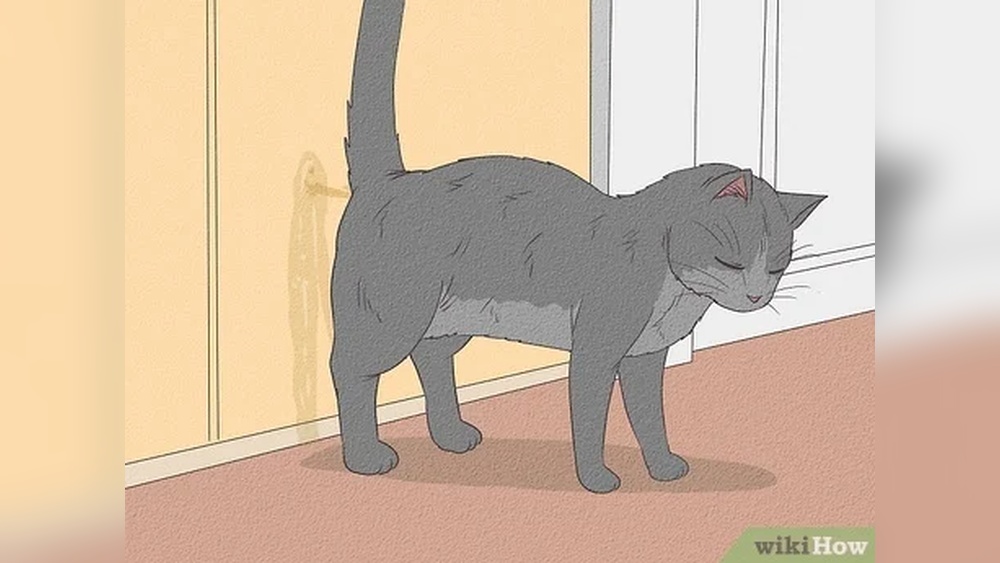
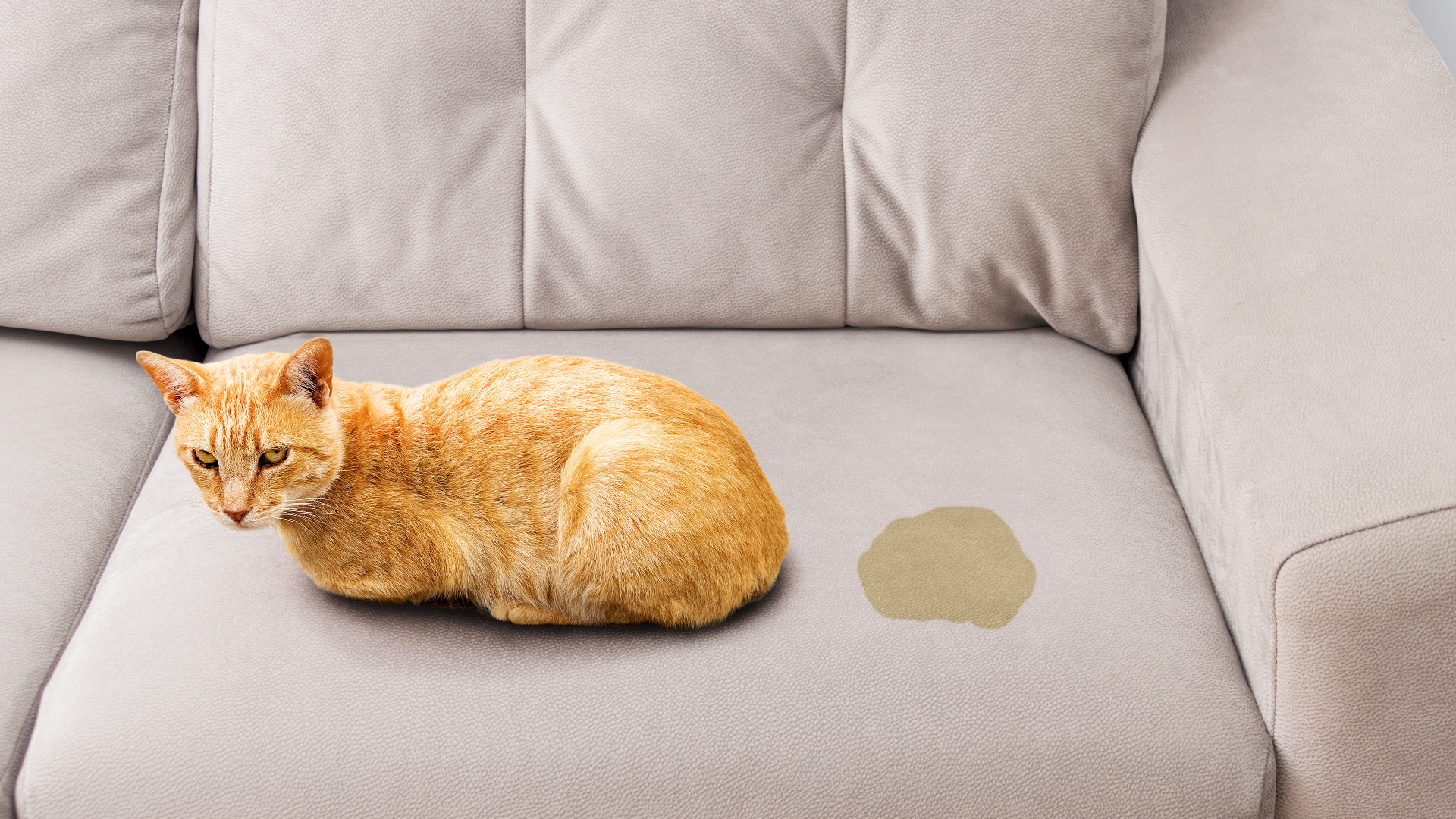
If your cat is peeing in the house, it can feel frustrating and confusing. Many cat owners face this problem at some point. The smell is hard to remove, and repeated accidents can damage your home. But more importantly, inappropriate urination is often a sign that your cat needs help.
Understanding why your cat is doing this—and how to fix it—can restore peace to your home and keep your cat happy.
In this guide, you’ll learn the common reasons cats pee outside the litter box, how to fix the problem step by step, and what mistakes to avoid. With the right approach, you can stop your cat from peeing in the house for good.
Why Cats Pee In The House
When a cat pees outside the litter box, it’s not just bad behavior. It’s usually a sign of an underlying problem. Here are the most common reasons:
- Medical issues: Problems like urinary tract infections, bladder stones, or kidney disease can make it painful or urgent for your cat to urinate. Cats with these issues might not make it to the litter box.
- Stress and anxiety: Changes in the home, new people, other pets, or loud noises can stress cats. Stress often leads to changes in bathroom habits.
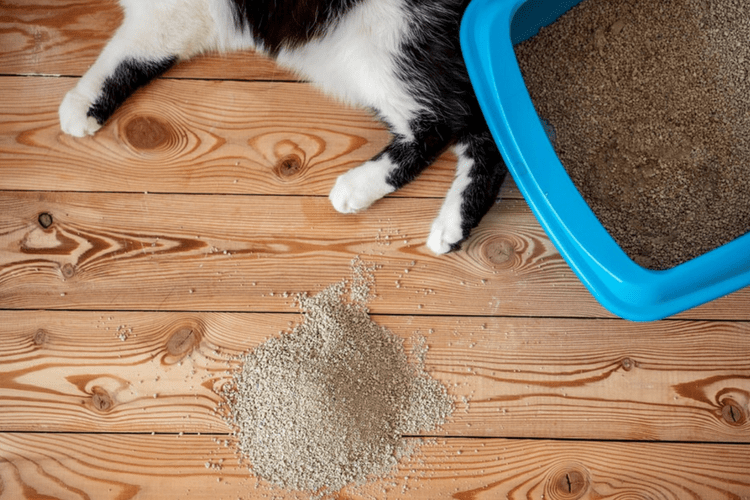
- Dirty or unattractive litter boxes: Cats are clean animals. If the box is dirty, too small, or in a noisy place, they may avoid it.
- Marking territory: Some cats, especially males, spray urine to mark their area—often triggered by seeing other animals outside or in the home.
- Changes in routine or environment: Moving furniture, moving house, or even changing brands of litter can upset sensitive cats.
- Age-related problems: Older cats may have trouble getting to or into the box due to arthritis or confusion.
Many cats will show other signs—like crying when urinating, licking their genitals, or drinking more water—if a medical issue is present. If you notice these, visit your vet first.
Step-by-step Solutions To Stop Cat Peeing
Solving the problem means tackling all possible causes. Here are proven steps to help your cat use the litter box again.
1. Rule Out Medical Problems First
Never assume your cat is just being naughty. Medical issues cause up to 60% of inappropriate urination cases. If your cat suddenly starts peeing in the house, book a vet visit. Bring a urine sample if possible. Your vet may check for:
- Urinary tract infection
- Bladder stones
- Kidney disease
- Diabetes
Treating any medical problem is the first and most important step. Never punish a cat for a medical issue.
2. Clean Soiled Areas Thoroughly
Cats are drawn to places they’ve peed before. Standard cleaners often leave traces that cats can smell, even if you can’t. Use an enzymatic cleaner designed for pet urine. This breaks down the chemicals in cat pee. Do not use ammonia-based cleaners—they smell like urine to cats and may make the problem worse.
Cleaning Tip:
- Blot up as much urine as possible first.
- Use the enzymatic cleaner generously.
- Let it soak in, then blot again.
- Repeat if needed until the smell is gone.
3. Make The Litter Box More Appealing
Cats want a clean, safe place to go. Improving the litter box environment can solve many problems:
- Scoop daily: Cats don’t want to step in old waste.
- Change litter weekly: Even scooped boxes need a full change.
- Wash the box: Use mild, unscented soap and rinse well.
- Choose the right size: The box should be 1.5 times your cat’s length.
- Avoid covered boxes if possible: Many cats prefer open boxes.
- Use unscented, soft litter: Many cats dislike strong scents or rough textures.
4. Provide Enough Litter Boxes
The golden rule: one box per cat, plus one extra. For example, if you have two cats, you need three boxes. Place them in quiet, easy-to-reach spots. Don’t line them up in one area—spread them out.
5. Reduce Stress And Anxiety
Cats are sensitive to change. Help your cat feel secure:
- Keep routines consistent (feeding, playtime, cleaning).
- Give your cat quiet places to hide and rest.
- Use synthetic feline pheromones (like Feliway) to calm nerves.
- Spend extra time playing and interacting with your cat.
If a new person or pet has arrived, introduce them slowly. Try to keep your cat’s key areas (food, water, litter box, bed) unchanged.
6. Block Access To Favorite Pee Spots
Once a cat pees somewhere, they may return. Block access to these areas:
- Move furniture over the spot.
- Close doors or use baby gates.
- Place food or water dishes in the area (cats avoid peeing where they eat).
- Place a litter box nearby, then slowly move it to a better spot.
7. Address Marking Behavior
If your cat is spraying (rather than squatting and peeing), marking is likely. Neutering male cats reduces spraying by over 85% if done before adulthood. Also:
- Block your cat’s view of outdoor animals.
- Use pheromone sprays.
- Clean marked areas with enzymatic cleaners.
8. Try Different Litter Types
Some cats are picky. If your cat avoids the box, try:
- Clumping vs non-clumping litter
- Clay, wood, paper, or silica types
- Fine vs coarse texture
Offer two types side by side and see which your cat prefers.
9. Adjust Box Placement
Place boxes in quiet, private spots—away from loud appliances or busy hallways. Avoid putting them near food or water. If your home is large, add boxes on each floor.
10. Help Senior Or Disabled Cats
Older cats may struggle with high-sided boxes or stairs. Choose low-sided boxes and keep them on the same floor as your cat’s main living area.
11. Avoid Common Mistakes
- Never punish your cat. Yelling or rubbing their nose in the mess will only increase stress.
- Don’t use strong-smelling cleaners.
- Avoid sudden litter or box changes without offering choices.
12. Work With A Cat Behaviorist
If you’ve tried everything and the problem continues, a cat behaviorist can help. They will visit your home, spot problems you may miss, and design a specific plan.

Credit: www.feliway.com
Comparing Litter Boxes And Cleaning Solutions
Choosing the right box and cleaning product makes a big difference. Here’s a quick comparison:
| Product | Pros | Cons |
|---|---|---|
| Open Litter Box | Easy access, most cats prefer it | Odors spread more, less privacy |
| Covered Litter Box | Reduces odor, more private | Some cats dislike the cover, harder to clean |
| Self-Cleaning Box | Low maintenance, always clean | Expensive, some cats fear noise |
For cleaning products:
| Cleaner Type | Effectiveness | Best For |
|---|---|---|
| Enzymatic Cleaner | Removes odor at the source | Cat urine, repeat accidents |
| Regular Soap | Removes visible stains | Initial clean-up, not for odor |
| Ammonia Cleaner | Smells like urine to cats | Not recommended |
Real-world Example: How One Family Solved The Problem
A family noticed their 6-year-old cat, Lucy, started peeing near the front door. After a vet check ruled out medical issues, they realized a new cat was visiting outside. Lucy was marking her territory. They cleaned the area with an enzymatic cleaner, blocked Lucy’s view with frosted window film, and used a pheromone diffuser.
Within two weeks, Lucy stopped peeing outside the box.
Non-obvious insight: Many cats pee in the same spot, not because they like it, but because the scent remains—even if you can’t smell it. Cleaning thoroughly and blocking access to these areas is key.
Another insight: Switching litter brands suddenly can trigger accidents. Always introduce new litter slowly by mixing it with the old type over a week.
Credit: www.lapitadearborn.com
When To Seek Professional Help
If your cat keeps peeing in the house after you’ve tried these steps, or if the behavior is sudden and severe, consult your vet again. Sometimes, rare medical problems or deep-rooted stress need special treatment. Don’t wait too long—early intervention is best for both your cat’s health and your home.
For more in-depth advice, you can read about feline behavioral issues at ASPCA’s official resource.
Frequently Asked Questions
Why Is My Cat Peeing Outside The Litter Box All Of A Sudden?
Sudden changes often mean a medical issue, such as a urinary tract infection or bladder stones. Stress or changes in the home can also trigger this behavior. Always check with your vet first.
How Do I Remove Cat Urine Smell From My House?
Use an enzymatic cleaner designed for pet urine. These break down the chemicals that cause the smell. Avoid ammonia-based cleaners, as these can attract your cat back to the spot.
Should I Punish My Cat For Peeing In The House?
Never punish your cat. This increases stress and makes the problem worse. Focus on finding and solving the root cause instead.
How Many Litter Boxes Should I Have For Two Cats?
The rule is one box per cat, plus one extra. For two cats, you need at least three boxes, placed in different areas of your home.
Can Changing My Cat’s Litter Cause Them To Pee Elsewhere?
Yes, sudden changes in litter can upset some cats. If you want to switch brands, do it gradually by mixing the new litter with the old one over a week.
Stopping a cat from peeing in the house is possible with patience and the right steps. Always look for medical causes first, keep your cat’s litter area clean and appealing, and reduce stress in your home. With time and understanding, your cat will return to good habits, and your home will stay fresh and clean.
Credit: www.goldeagle.com
