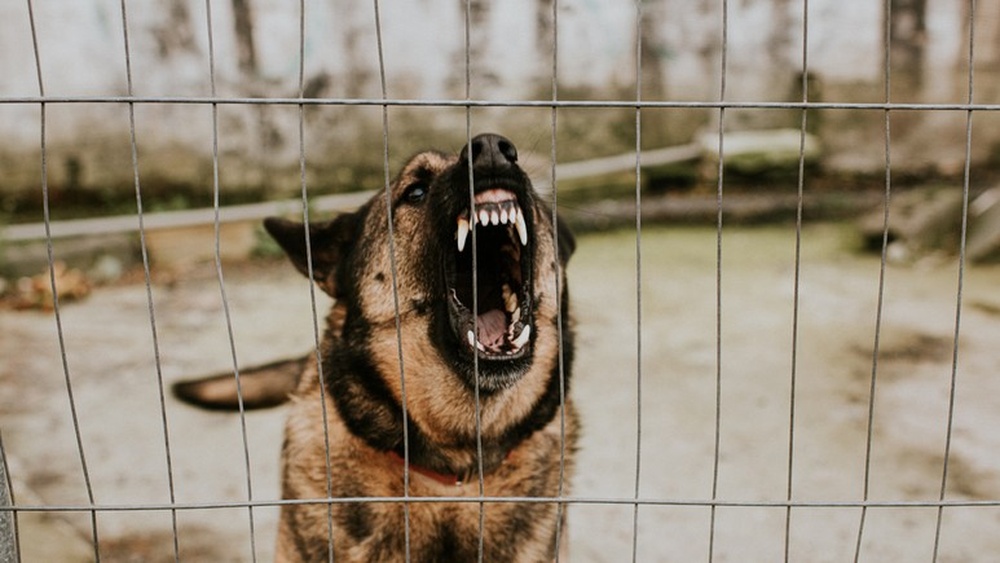
Bringing a rescue dog into your life can be both rewarding and challenging. For many people, the dream of saving a dog from a shelter comes with images of happy walks and gentle cuddles. But sometimes, reality is different. You might find yourself facing aggressive behaviors—growling, snapping, or even biting.
This can feel overwhelming, especially if you’re not sure what’s causing your new friend to act this way.
Aggression in rescue dogs is more common than you might think. Many of these dogs have gone through stress, fear, or even abuse. Their behavior is often a way of protecting themselves. But with the right approach, patience, and professional advice, you can help your dog feel safe—and build a lasting bond.
As a veterinarian, I’ve seen many families transform their aggressive rescue dog into a loving companion. Let’s explore what works, what doesn’t, and how you can make a real difference.
Understanding Why Rescue Dogs Become Aggressive
Before you can help, you need to understand. Aggression is rarely about being “bad.” It’s often a sign of fear, pain, or past trauma. Rescue dogs may show aggression for several reasons:
- Fear or Anxiety: Many rescued dogs have had negative experiences with people or other animals. They react with aggression because they are scared.
- Resource Guarding: Some dogs protect their food, toys, or space because they never had enough before.
- Pain or Illness: Dogs in pain may snap or bite, especially if touched where it hurts.
- Lack of Socialization: Dogs that didn’t meet many people or animals as puppies might not know how to react now.
- Previous Abuse: Past trauma can leave deep emotional scars.
Non-obvious insight: Even small triggers (like a loud noise or fast movement) can remind a rescue dog of past trauma. Watch for patterns in your dog’s reactions.
First Steps: Safety For You And Your Dog
When dealing with an aggressive rescue dog, safety comes first. You need to protect both your family and your dog from harm. Here’s what you should do right away:
- Assess the Situation: Notice when and where your dog shows aggression. Is it around food? With strangers? During walks?
- Avoid Triggers: Until you know more, avoid situations that make your dog aggressive. For example, don’t force your dog to meet new people if they’re scared.
- Use Safety Tools: A basket muzzle can keep everyone safe during training. Make sure it’s comfortable and allows the dog to drink and pant.
- Supervise Closely: Never leave children alone with an aggressive dog. Supervision is key.
- Create a Safe Space: Give your dog a quiet area where they can retreat and feel secure.
Practical tip: Use baby gates to separate spaces in your home. This allows your dog to see what’s happening without being overwhelmed.
Credit: craigrd.com
Veterinary Assessment: Rule Out Medical Causes
Aggression can sometimes be linked to health problems. Dogs in pain or discomfort may act out, especially if their condition isn’t obvious. A visit to the vet is vital.
What To Expect At The Vet
- Physical Examination: The vet will check for pain, injuries, or illness.
- Blood Tests: To rule out underlying diseases.
- Neurological Assessment: Some brain disorders can cause sudden aggression.
- Discussion of History: Be honest about your dog’s past and current behavior.
If a medical issue is found, treating it often reduces aggression. For example, a dog with an ear infection may stop growling once the pain is gone.
Non-obvious insight: Dogs can hide pain very well. Limping or changes in movement are not the only signs; changes in behavior are just as important.
Building Trust: The Foundation Of Change
Aggressive rescue dogs need to feel safe. Building trust is not fast, but it’s the most important step. Here’s how to start:
- Respect Boundaries: Let your dog come to you. Don’t force hugs, petting, or eye contact.
- Be Predictable: Keep a routine—feeding, walks, and playtime at the same times each day.
- Use Positive Reinforcement: Reward calm behavior with treats or praise.
- Speak Softly: Loud voices can frighten a sensitive dog.
- Move Slowly: Avoid sudden movements that might startle your dog.
Example: If your dog growls when you reach for their collar, teach them to associate the collar with treats. Over time, they’ll feel less threatened.
Training Techniques That Work
Training an aggressive rescue dog is different from teaching basic commands. It’s about changing how your dog feels, not just how they act. The methods below are safe and effective:
Counter-conditioning And Desensitization
This approach helps your dog form new, positive associations with things that scare them.
- Start Small: Expose your dog to the trigger at a very low level. For example, if your dog is scared of men, have a man stand far away.
- Pair with Rewards: Give treats every time the trigger appears, but before the dog reacts.
- Gradually Increase Exposure: Over days or weeks, bring the trigger closer as your dog stays calm.
Consistency Is Key
- Use the Same Commands: Everyone in the household should use the same words and signals.
- Set Clear Rules: For example, “no jumping on the sofa” should always mean no, not just sometimes.
Avoid Punishment
Punishing an aggressive dog usually makes things worse. It increases fear and can lead to more serious bites. Always use positive methods.
Common mistake: Shouting or hitting may stop aggression for a moment but damages trust for a long time.
When To Seek Professional Help
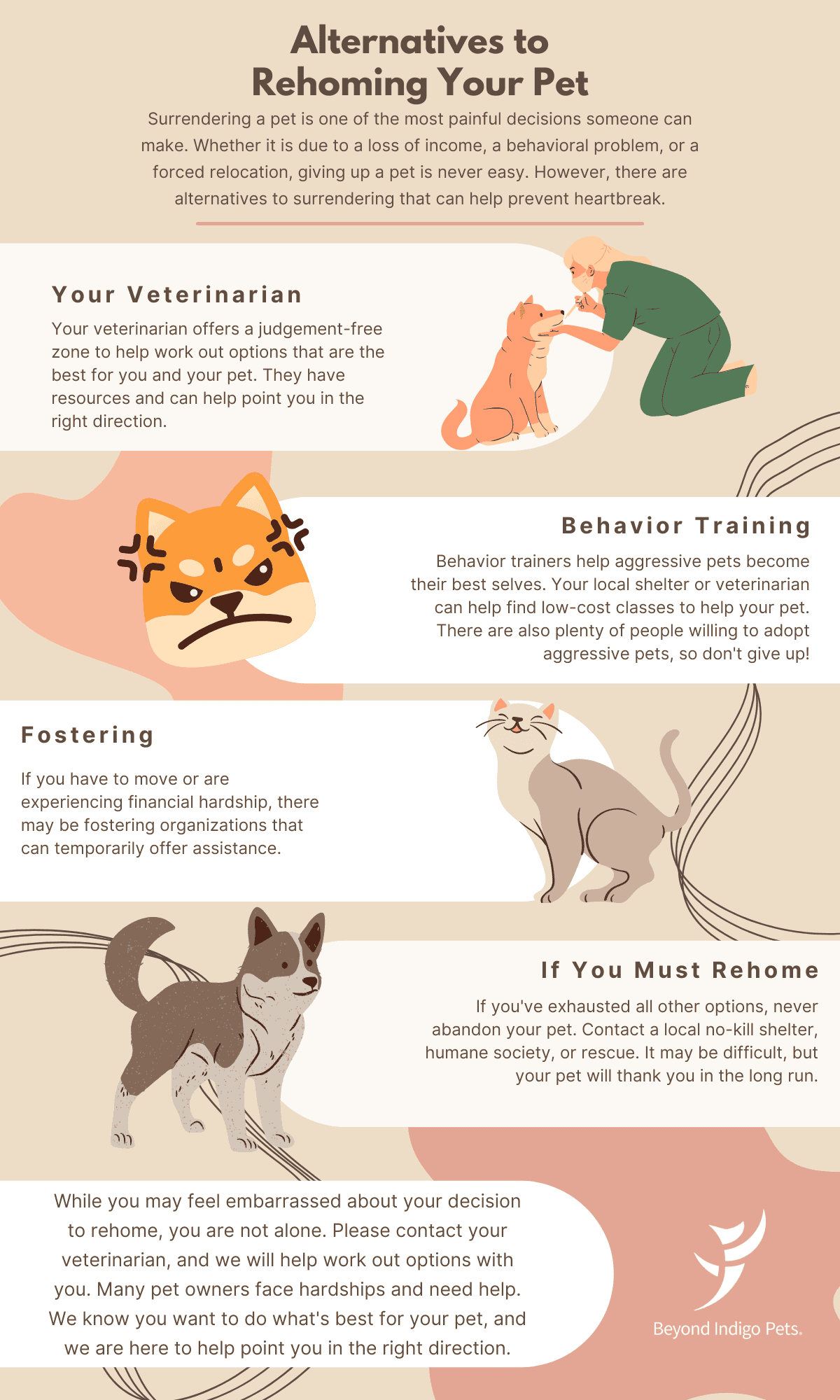
Some cases of aggression are too complex to handle alone. If you see any of the following, get help from a certified dog behaviorist or a veterinarian with experience in animal behavior:
- Aggression that causes injury to people or other animals
- Sudden, unpredictable aggression with no clear cause
- Aggression that gets worse over time
What a Behaviorist Does: They create a personalized plan, show you safe handling techniques, and may use tools like behavior modification or medication.
Example: A dog that bites visitors might need both training and medication to reduce anxiety.
Credit: www.mybeevet.com
Medication: When Is It Needed?
Sometimes, behavior change alone isn’t enough. Medication can help dogs with severe anxiety or aggression. Your vet might suggest:
- Anti-anxiety medications: To reduce fear and tension
- Pain relief: For dogs with arthritis or other chronic pain
- Short-term sedatives: For stressful events like vet visits
Medication is not a “quick fix. ” It works best alongside training and management.
Data And Comparisons: Aggression In Rescue Vs. Non-rescue Dogs
Understanding the bigger picture can help you feel less alone. Here’s a look at the rates of aggression in rescue and non-rescue dogs:
| Dog Type | Percentage Showing Aggression | Most Common Triggers |
|---|---|---|
| Rescue Dogs | 20-25% | Fear, resource guarding, handling |
| Non-Rescue Dogs | 8-12% | Territorial, protection, pain |
Insight: Rescue dogs are more likely to show fear-based aggression, while non-rescue dogs often react to protecting their territory.
Credit: headlines.peta.org
Managing Aggression: What Works Best?
Different strategies work for different dogs. Here’s a comparison of common methods:
| Method | Success Rate | Best For |
|---|---|---|
| Positive Reinforcement | High | Fear, resource guarding |
| Punishment-Based Training | Low | Not recommended |
| Professional Behaviorist | Very High | Complex aggression |
| Medication + Training | Moderate to High | Severe anxiety/aggression |
Living With An Aggressive Dog: Practical Daily Tips
Dealing with aggression is a journey, not a one-time fix. Here’s how to live safely and happily with your dog during this time:
- Use Signs: Put up a sign at your door to warn visitors not to enter without you.
- Safe Walks: Walk your dog during quiet times and use a sturdy leash and harness.
- Meet Needs: Give your dog enough mental and physical exercise. Bored dogs can become more anxious.
- Watch for Progress: Keep a diary of incidents and improvements. Celebrate small wins.
Example: If your dog used to bark at every visitor and now only barks once, that’s progress!
What Not To Do: Common Mistakes
Even with good intentions, mistakes happen. Avoid these:
- Ignoring Warning Signs: Growling is a warning. Don’t punish it; listen to what your dog is telling you.
- Pushing Too Fast: Don’t rush introductions to new people or pets.
- Letting Your Guard Down: Even if your dog improves, always supervise, especially with children or strangers.
Resources And Support
You’re not alone. Many organizations and professionals can help. For more detailed information on dog behavior and aggression, check the ASPCA’s guide on dog aggression.
Frequently Asked Questions
Why Is My Rescue Dog Suddenly Aggressive?
Sudden aggression can be due to pain, fear, or a new trigger in the environment. Always start with a veterinary check to rule out medical causes. If health is not the issue, think about recent changes—new people, pets, or routines can all be stressful.
Can All Aggressive Rescue Dogs Be “fixed”?
Not all aggressive dogs become totally calm, but most can improve a lot with patience, training, and sometimes medication. The goal is better safety and quality of life, not perfection.
Is It Safe To Keep Children And An Aggressive Rescue Dog Together?
Safety is very important. Never leave children and an aggressive dog alone together. Manage interactions carefully and use barriers if needed. Teach children to respect the dog’s space.
How Long Does It Take To Change Aggressive Behavior?
There’s no set timeline. Some dogs improve in weeks, others take months or longer. Progress is usually slow at first, but with consistency, you’ll see change.
Should I Return My Aggressive Rescue Dog To The Shelter?
This is a hard decision. If you’ve tried veterinary care, training, and professional help with no improvement—and safety is a concern—sometimes returning is the kindest choice for everyone. Speak with shelter staff before making a decision.
Bringing an aggressive rescue dog into your home is a challenge, but it’s also a journey of trust, patience, and learning. With the right approach, support, and expert advice, you can help your dog feel safe and loved—and enjoy the deep bond that comes from giving a second chance.
