Welcoming a new kitten into your home is exciting, but it also brings a lot of questions—especially about feeding. Many new owners wonder, “How often should I feed my kitten? ” Getting this right is important for your kitten’s health and development.
Feeding needs change quickly as kittens grow, and following a veterinarian’s advice can help you avoid mistakes that may lead to health issues. Let’s dive deep into what veterinarians recommend, practical feeding routines, and what signs to watch for as your kitten grows.
Why Feeding Frequency Matters For Kittens
Kittens grow rapidly, especially in the first few months of life. This fast growth means they need more nutrients, energy, and hydration than adult cats. Unlike adult cats who can often self-regulate their eating, kittens rely on you to give them the right amount at the right times.
Feeding too little can cause poor growth or weakness, while overfeeding might lead to digestive issues or obesity later.
Vets emphasize that the right feeding schedule helps build strong bones, healthy organs, and a good immune system. It also helps establish healthy eating habits that last a lifetime.
Age-based Feeding Guidelines
The number of times to feed a kitten changes as they age. Each stage has specific needs. Here’s what veterinarians generally recommend:
Birth To 4 Weeks: The Nursing Period
During the first 4 weeks, kittens should nurse from their mother as often as possible—usually every 2 to 3 hours, even at night. If the mother is not available, you’ll need to feed a special kitten milk replacer. Never give cow’s milk, as it can upset their stomach.
Key points:
- Feed every 2–3 hours
- Use kitten formula, not regular milk
- Feed with a bottle or syringe
4 To 8 Weeks: Weaning Time
Between 4 and 5 weeks, kittens start to transition from milk to solid food. You can offer a mixture of wet kitten food and formula to help them adjust.
- Feed 4–6 times per day
- Small, frequent meals are best
- Food should be soft and easy to lick
Most kittens are fully weaned by 8 weeks but may still nurse occasionally if with their mother.
2 To 3 Months: Early Kittenhood
Now, kittens are ready for solid food. Choose a high-quality kitten-specific food because it has more protein, fat, and calories than adult cat food.
- Feed 4 times a day
- Divide daily portion into 4 small meals
- Fresh water must always be available
3 To 6 Months: Growing Fast
At this stage, you can reduce the frequency a bit, but kittens are still growing and need more energy than adults.
- Feed 3 times a day
- Maintain portion control to avoid overfeeding
6 To 12 Months: Approaching Adulthood
Kittens can gradually transition to two meals per day as they approach one year, but some active breeds or larger kittens may still need three meals.
- Feed 2–3 times a day
- Monitor weight and growth
Over 12 Months: Adult Cat Feeding
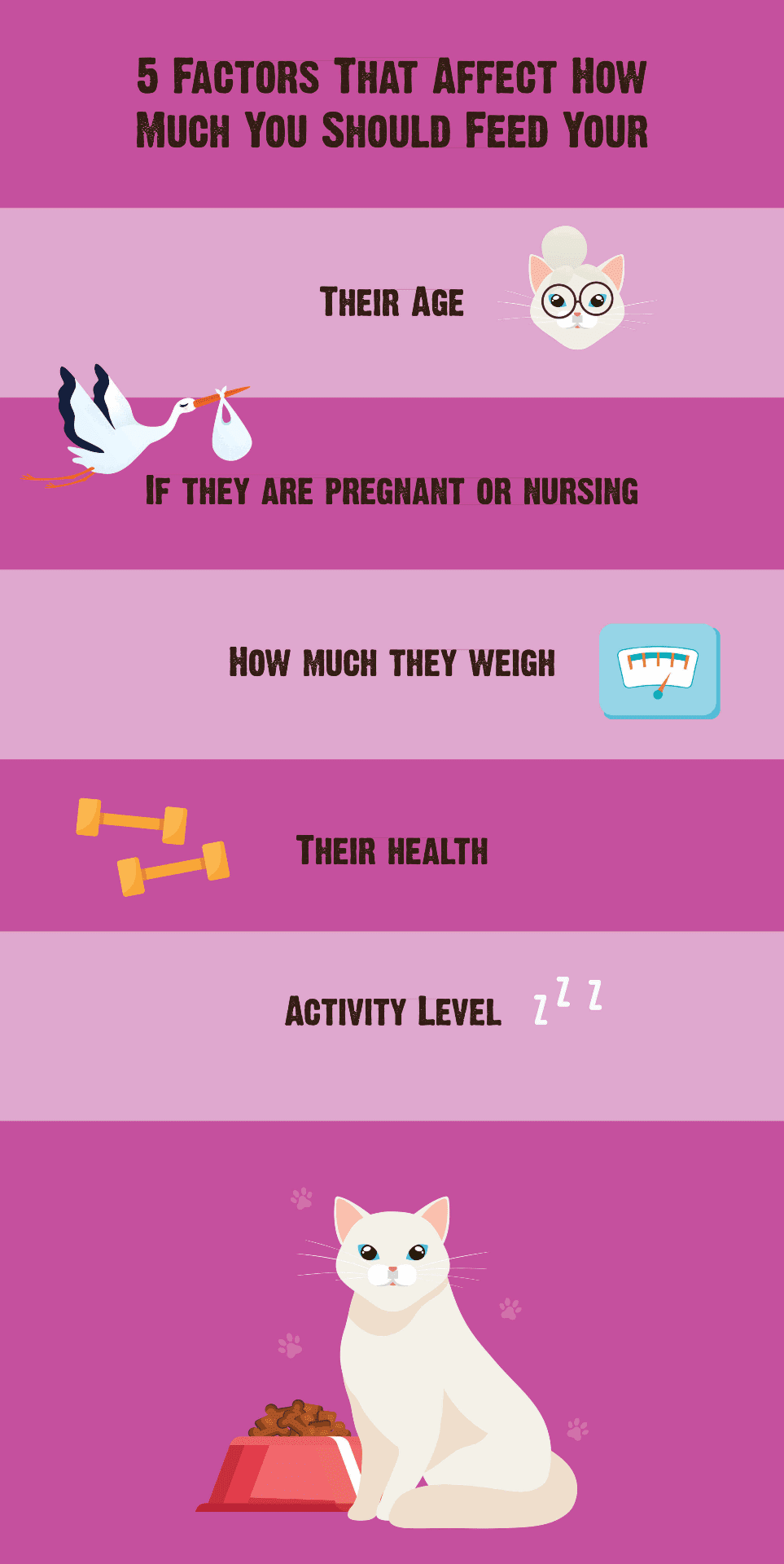
By one year, most cats can eat twice daily. Some cats prefer free feeding, but this is not recommended for kittens due to the risk of overeating.
Credit: rawznaturalpetfood.com
Feeding Amounts: How Much Should You Give?
The exact amount your kitten needs depends on their weight, breed, and activity level. Most kitten food packaging provides a feeding guide based on weight. However, these are general guidelines.
Here’s a typical breakdown for kittens based on age and weight:
| Age | Weight | Daily Food Amount | Feedings per Day |
|---|---|---|---|
| 4–8 weeks | 400–600g | 20–40g wet food | 4–6 |
| 2–3 months | 900–1300g | 60–90g wet food | 4 |
| 3–6 months | 1.4–2.7kg | 90–180g wet food | 3 |
| 6–12 months | 2.3–4.5kg | 120–220g wet food | 2–3 |
Important: Always check the food label and adjust portions based on your kitten’s condition. If your kitten is gaining too much weight or seems hungry all the time, consult your veterinarian.
Wet Food, Dry Food, Or Both?
Choosing between wet food and dry food is a common concern. Both have pros and cons, and many vets recommend a combination for balance.
Wet Food
- Higher moisture content (good for hydration)
- Easier to chew, especially for young kittens
- Usually more appealing in taste and smell
Dry Food
- Convenient and less messy
- Good for dental health (if chewed, not swallowed whole)
- Can be left out longer
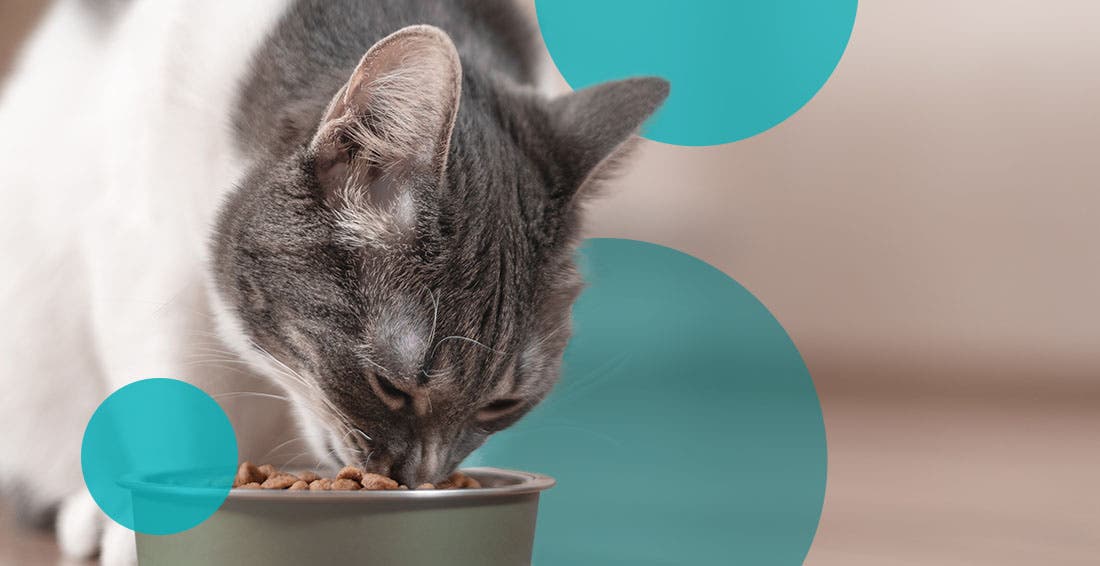
Some kittens prefer one over the other. If you choose dry food, ensure fresh water is always available. Mixing wet and dry food often gives the best of both worlds.
Credit: yourpetandyou.elanco.com
What To Look For In Kitten Food
Not all pet foods are created equal. Look for:
- Kitten-specific formula: Higher protein and fat
- AAFCO statement: Ensures food meets nutritional standards
- High moisture (for wet food)
- No artificial colors or flavors
Avoid feeding adult cat food, dog food, or human food to kittens.
Common Feeding Mistakes And How To Avoid Them
Even well-meaning owners sometimes make mistakes. Here are some common problems:
- Feeding cow’s milk: This can cause diarrhea and stomach upset.
- Overfeeding: Leads to rapid weight gain and future health problems.
- Irregular meals: Kittens need routine for stable digestion.
- Free feeding dry food: Kittens may overeat if food is always available.
- Not providing enough water: Especially important for dry food diets.
Practical tip: Always measure food with a kitchen scale or measuring cup for accuracy.
Signs Your Kitten Is Eating The Right Amount
It’s not always easy to tell if your kitten is getting enough food. Here’s what to look for:
- Steady weight gain: Kittens should gain about 10–15 grams per day
- Bright eyes and shiny coat: Signs of good nutrition
- Active play: Healthy kittens are usually playful and curious
- Normal stools: Not too hard, not too soft
If you notice sudden weight loss, lack of energy, or digestive issues, consult your vet.
Sample Daily Feeding Schedule
To help you visualize, here’s a sample schedule for a 3-month-old kitten:
| Time | Food Type | Amount |
|---|---|---|
| 7:00 AM | Wet kitten food | 30g |
| 12:00 PM | Dry kitten food | 20g |
| 5:00 PM | Wet kitten food | 30g |
| 9:00 PM | Dry kitten food | 20g |
Adjust times and portions as needed for your kitten’s appetite and schedule.
Transitioning To Fewer Meals
As your kitten grows, you’ll move from frequent small meals to fewer, larger meals. Sudden changes can upset their stomach, so always transition gradually.
- Reduce meal number slowly, over 1–2 weeks
- Watch for any digestive upset or hunger signs
If your kitten struggles with fewer meals, consult your vet for personalized advice.
Special Considerations: Orphaned, Sick, Or Underweight Kittens
Some kittens have special needs. Orphaned kittens or those with health problems may need to eat more often, sometimes every 2 hours, and may require supplements or special diets.
Vets recommend weighing these kittens daily and keeping a feeding diary. If your kitten is not eating well, seek veterinary help immediately.
The Role Of Treats
Treats can be used for training, but they should never replace balanced meals. Treats should not make up more than 10% of your kitten’s daily calories. Choose treats made for kittens and avoid giving human food.
Monitoring Growth And Health
Regular vet checkups are the best way to ensure your kitten is growing well. Vets track weight, body condition, and overall health. At home, weigh your kitten weekly and note any changes in appetite or behavior.
According to the ASPCA, healthy kittens are active, alert, and grow steadily. If you notice anything unusual, early action is best.
Credit: www.whisker.com
Frequently Asked Questions
How Do I Know If My Kitten Is Still Hungry?
Watch for signs like crying after meals, searching for food, or trying to eat non-food items. Some kittens just enjoy eating, but if hunger signs are constant, check your portion sizes or speak to your vet.
Can I Leave Dry Food Out All Day For My Kitten?
Free feeding is not recommended for kittens, as it can lead to overeating and obesity. Scheduled meals help you control portions and monitor your kitten’s appetite and health.
Is It Okay To Feed My Kitten Homemade Food?
Homemade diets are tricky. Most lack the right balance of nutrients for kittens. Only feed homemade food if your vet or a pet nutritionist has helped you create a complete and balanced recipe.
How Do I Switch My Kitten’s Food?
Switch foods gradually over 7–10 days. Start by mixing a small amount of the new food with the old, increasing the new food a little more each day. This helps prevent digestive upset.
What Should I Do If My Kitten Refuses To Eat?
If your kitten skips one meal but is otherwise acting normal, monitor them closely. If they refuse food for more than 24 hours, or show other symptoms like vomiting or lethargy, contact your vet immediately.
Bringing up a healthy kitten starts with the right feeding routine. While feeding schedules change as your kitten grows, the basics remain: frequent, measured meals with the right nutrition. Watch your kitten’s weight, behavior, and energy level, and don’t hesitate to ask your vet for advice. A well-fed kitten is a happy, playful companion who will thrive in your care.
