When you welcome a new puppy into your home, it’s easy to get caught up in their playful energy and adorable looks. But soon, you might notice your little friend chewing on everything—shoes, furniture, hands, and anything they can find. This stage is called puppy teething, and for many pet owners, it brings questions and concerns. How long does puppy teething last? What signs should you watch for? How can you help your puppy through this time? Let’s explore everything you need to know, so you and your puppy can get through teething with fewer chewed-up surprises.
What Is Puppy Teething?
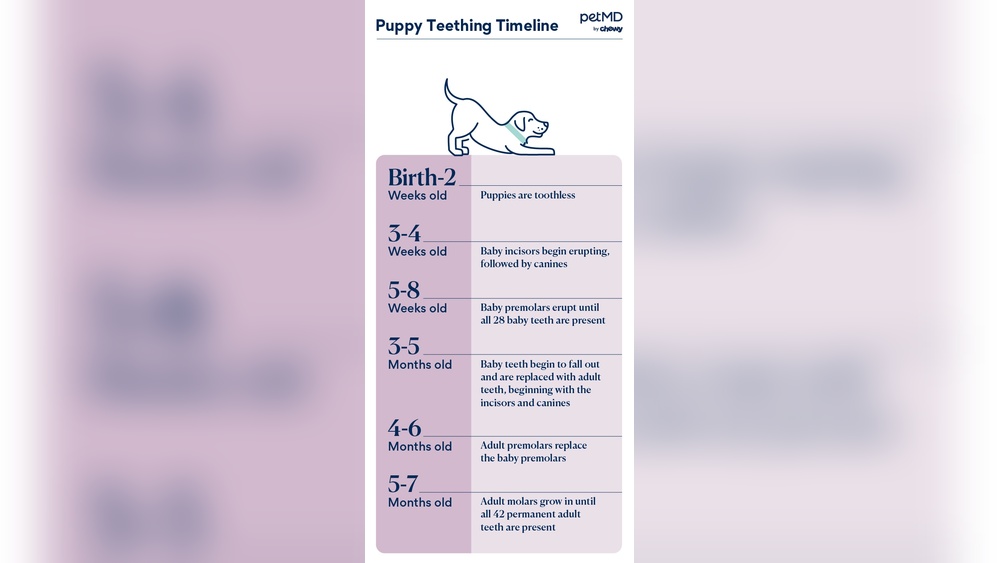
Puppy teething is the natural process where a puppy’s baby teeth fall out and are replaced by adult teeth. Like human babies, puppies are born without teeth. Their baby teeth, also known as deciduous teeth, begin to show around 3 weeks old. By the time you bring your puppy home (usually at 8 weeks or older), those baby teeth are already in place. The real challenge starts when those baby teeth begin to fall out, and new, permanent teeth push through the gums.
Puppy teething is not just about losing and gaining teeth. It’s also a period of discomfort and curiosity, as your puppy explores the world with their mouth. Chewing is a natural way for puppies to relieve the pain caused by emerging teeth.
Understanding this process helps you respond with patience and the right support.
Puppy Teething Timeline: How Long Does It Really Last?
Most puppies start teething at about 3 to 4 months old, and the process usually ends around 6 to 8 months. Here is a general timeline:
| Age (Weeks) | Teething Stage | What Happens |
|---|---|---|
| 2-4 | Baby Teeth Erupt | First teeth (incisors) appear |
| 5-6 | All Baby Teeth In | Full set of 28 baby teeth |
| 12-16 | Adult Teeth Start | Baby teeth begin to fall out |
| 20-24 | Most Adult Teeth In | Majority of 42 adult teeth come in |
| 24-32 | Teething Ends | Permanent teeth are set |
For most breeds, teething lasts about 4 to 6 months. However, some small breeds finish sooner, while large breeds might take a bit longer. Each puppy is unique, so the timeline can vary.
Signs Your Puppy Is Teething
During teething, your puppy’s behavior might change. Watch for these common signs:
- Increased chewing: Puppies gnaw on anything to soothe their gums.
- Drooling: You may notice more saliva than usual.
- Red or swollen gums: Gums can look puffy or feel tender.
- Mild bleeding: A little blood on toys or chews is normal.
- Missing teeth: You might find tiny teeth on the floor or in toys.
- Irritability: Some puppies become cranky from discomfort.
- Decreased appetite: Sore gums can make eating less appealing.
Not all puppies show every sign. Some breeze through teething with few problems, while others struggle more.
The Stages Of Puppy Teething
Understanding the stages helps you know what to expect and how to help.
1. Baby Teeth Erupt (2–6 Weeks)
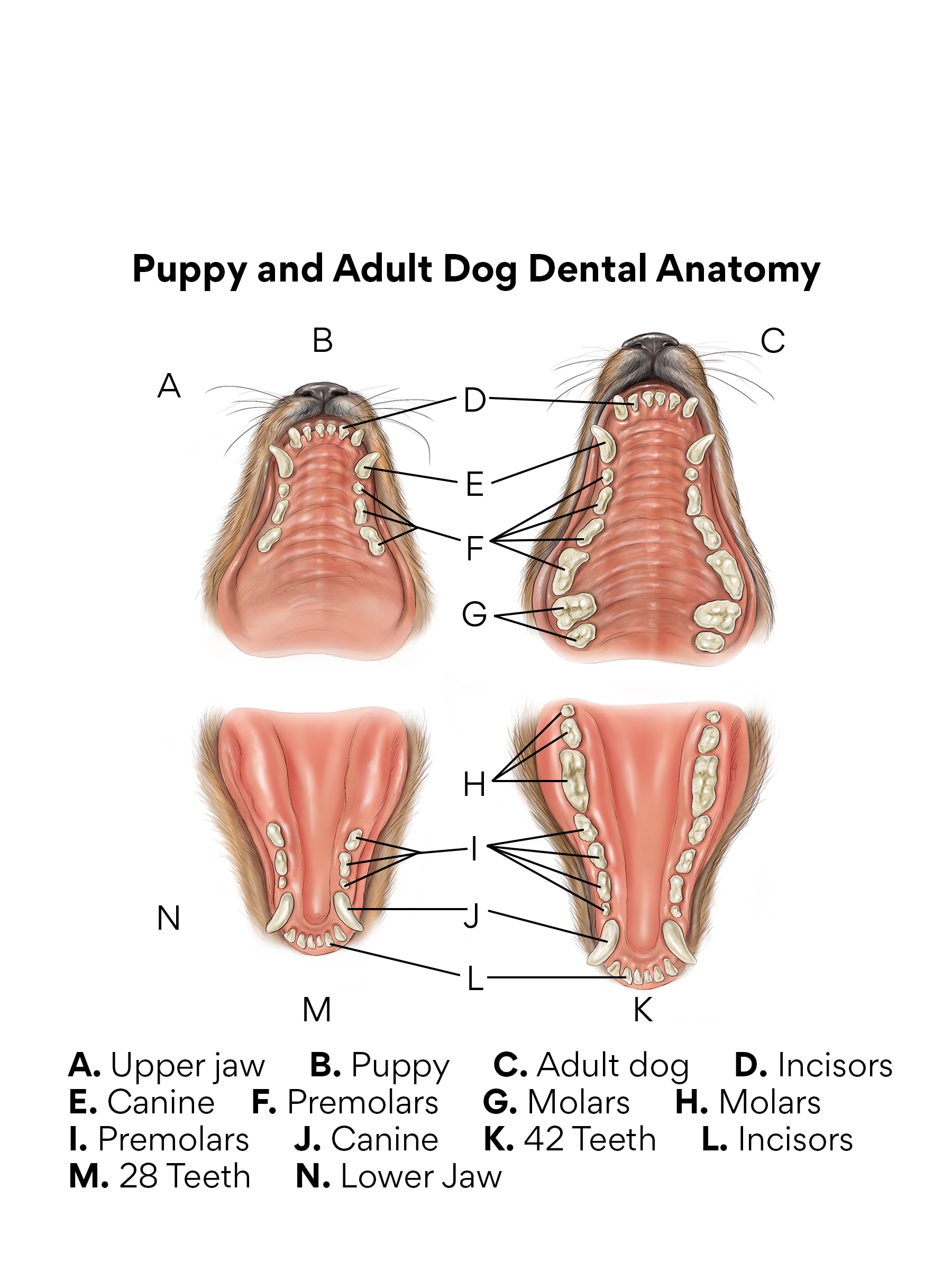
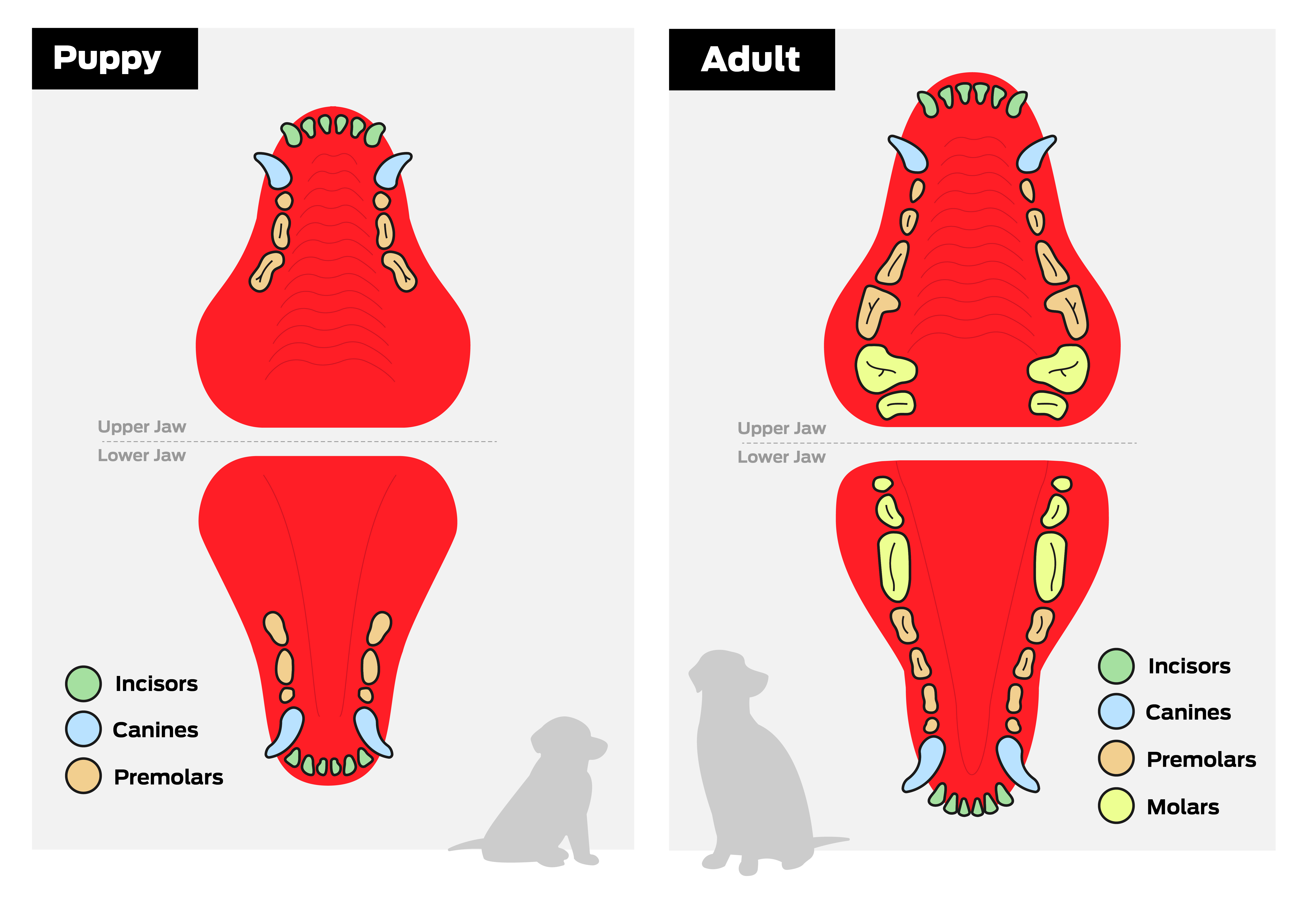
Puppies develop their first teeth while still with their mother. These small, sharp teeth let them start eating solid food. By 6 weeks, most puppies have all 28 baby teeth.
2. Baby Teeth Fall Out (12–16 Weeks)
As adult teeth begin to grow, baby teeth loosen and drop out. This is when chewing often increases, and you might find small teeth around the house. Puppies may swallow some teeth, which is normal and not harmful.
3. Adult Teeth Grow In (16–24 Weeks)
Permanent teeth push through the gums. This is often the most uncomfortable stage. Puppies can have sore, inflamed gums and chew even more than before.
4. Teething Ends (6–8 Months)
By 6 to 8 months, most puppies have their full set of 42 adult teeth. Chewing starts to decrease as the discomfort fades.
Credit: www.petmd.com
How Teething Feels For Your Puppy
Teething can be uncomfortable but is rarely serious. Puppies may feel:
- Tenderness in the mouth
- Itchy or sore gums
- A strong urge to chew
Some puppies might become more vocal or restless. Others might briefly lose interest in food. While these symptoms are normal, severe pain, refusal to eat or drink, or signs of infection (such as pus or a foul smell) should be checked by a vet.
How To Help Your Puppy Through Teething
You can make teething easier for your puppy with a few simple steps:
- Offer safe chew toys: Choose toys made for teething puppies. Rubber toys, soft nylon bones, and frozen washcloths can soothe sore gums.
- Keep personal items out of reach: Store shoes, cords, and children’s toys away from your puppy.
- Use puppy-safe dental chews: These encourage healthy chewing and can help clean teeth.
- Try frozen treats: Freeze wet dog food in a Kong toy or offer ice cubes for a soothing effect.
- Supervise playtime: Make sure toys aren’t too hard, small, or breakable. Avoid cooked bones or anything that can splinter.
- Redirect chewing: If your puppy starts chewing furniture, calmly offer an approved toy instead.
Here’s a quick comparison of popular teething aids:
| Type | Benefits | Risks |
|---|---|---|
| Rubber Toys | Durable, easy to clean, gentle on gums | Must be size-appropriate to avoid choking |
| Frozen Washcloth | Cheap, soothes pain, easy to prepare | Must supervise to prevent swallowing |
| Dental Chews | Promotes oral health, tastes good | Some may be too hard for young puppies |
What Not To Do During Puppy Teething
While helping your puppy, some actions can do more harm than good:
- Do not punish chewing: Your puppy is not being naughty; chewing is instinctive.
- Avoid hard chews like antlers or hooves: These can break delicate teeth.
- Never give cooked bones: They can splinter and cause injuries.
- Don’t ignore abnormal symptoms: Severe pain, swelling, or loss of appetite for more than a day needs a vet check.
Common Mistakes Owners Make
Many first-time dog owners make these errors during teething:
- Giving old shoes or socks as toys: This teaches puppies that all shoes are for chewing.
- Letting teething go unsupported: Puppies need help to avoid damaging behavior.
- Not puppy-proofing the home: This can lead to accidents and frustration.
- Using human pain relief gels: These are unsafe for dogs and can be toxic.
How Breed And Size Affect Teething
Not all puppies teethe the same way. Small breeds (like Chihuahuas and Yorkies) may finish teething a bit earlier, sometimes by 6 months. Large breeds (such as Labradors and German Shepherds) may take closer to 8 months. Toy breeds sometimes have trouble losing baby teeth, leading to “retained” teeth that need a vet’s help.
Here’s a simple breakdown:
| Breed Size | Average Teething Duration | Special Considerations |
|---|---|---|
| Small | 4-6 months | Watch for retained baby teeth |
| Medium | 5-7 months | Generally smooth process |
| Large | 6-8 months | May chew more aggressively |
When Should You Be Concerned?
Most teething symptoms are mild, but some signs need attention:
- Retained baby teeth: If a baby tooth does not fall out and the adult tooth comes in, see your vet. This can cause crowding or misalignment.
- Broken or cracked teeth: Hard objects can cause damage. If you notice a tooth looks odd, get it checked.
- Extreme pain or swelling: If your puppy cries, refuses to eat, or has swelling that doesn’t go away, this could signal infection.
- Bad odor or pus: These can be signs of dental disease, even in young dogs.
Prompt attention to these issues helps prevent bigger problems later.
Credit: www.purina.com
Keeping Your Puppy’s Teeth Healthy
Teething is just the start of your puppy’s dental care. Good habits now prevent dental disease later. Here are practical steps:
- Brush your puppy’s teeth: Use a dog-specific toothbrush and toothpaste. Start slow and make it a positive experience.
- Regular vet check-ups: Your vet will check for retained teeth, alignment, and overall mouth health.
- Offer dental chews and toys: They help control plaque.
- Watch for signs of pain or bleeding: Early detection is key for dental issues.
A non-obvious tip: Don’t wait until teething is over to start dental care. Puppies who get used to brushing early are much easier to handle as adults.
How Teething Can Affect Training
Teething can make training more challenging. Puppies may become distracted, moody, or less responsive. They might also mouth more during play. Here’s how to manage:
- Stay patient: Avoid punishing nipping or chewing.
- Reward calm behavior: Give treats for gentle play and chewing on the right things.
- Keep training sessions short: Puppies have short attention spans, especially during teething.
Remember, this phase is temporary. Consistency and understanding go a long way.

Credit: www.dentalhousecr.com
Unique Insights: What Most Owners Miss
- Teething is a mental challenge, too: Puppies use their mouth to explore everything. Use this time to teach what is and isn’t okay to chew. This shapes their behavior for life.
- Retained baby teeth are common in small breeds: These can crowd adult teeth and cause problems if not removed.
- Teething can change your puppy’s bite: Sometimes, the alignment of the jaw shifts as new teeth come in. If you notice a severe overbite or underbite, ask your vet if it’s normal or needs attention.
Frequently Asked Questions
How Long Does Puppy Teething Last In Most Breeds?
Most puppies finish teething between 6 to 8 months old. The process starts at around 3 months and ends when all 42 adult teeth are in place. Some small breeds might finish sooner, while larger breeds could take a bit longer.
Can Teething Make My Puppy Sick?
Mild symptoms like drooling, slight bleeding, or loss of appetite are normal. However, teething should not cause fever, diarrhea, or severe illness. If your puppy seems very sick, contact your vet.
What Are The Best Toys For A Teething Puppy?
Look for soft rubber toys, puppy-safe nylon bones, or frozen washcloths. Avoid anything hard like antlers or cooked bones, which can break teeth. Always supervise your puppy when giving new toys.
Should I Brush My Puppy’s Teeth During Teething?
Yes, it’s good to start brushing your puppy’s teeth early. Use special puppy toothpaste and a soft brush. Make the experience positive and gentle, especially if gums are sore.
What If My Puppy’s Baby Teeth Don’t Fall Out?
If you notice double rows of teeth or retained baby teeth, see your vet. These may need to be removed to prevent dental problems.
Helping your puppy through teething may feel like a challenge, but with patience and the right support, it’s a short phase in your dog’s long, happy life. For more in-depth guidance on canine development, you can visit the VCA Hospitals website.
With good care, safe chewing options, and a little understanding, your puppy will soon have a healthy set of adult teeth—and fewer reasons to chew on your shoes!
