Leaving your dog home alone is a reality for most pet owners. Work, appointments, or unexpected events mean sometimes your furry friend has to stay behind. But how long is too long? Many people worry about their dog’s comfort, health, and safety when left alone.
The right answer depends on your dog’s age, breed, health, and how well they handle alone time. Knowing what your dog needs can help you avoid problems like anxiety, accidents, or destructive behavior. Let’s explore how long you can safely leave a dog alone, what factors to consider, and how to make their solo time easier.
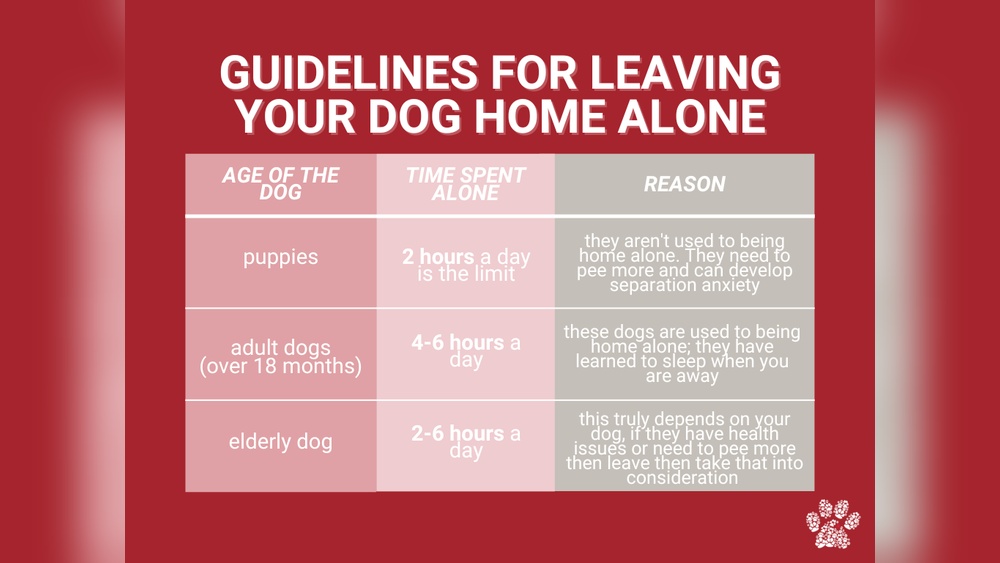
How Long Can Different Dogs Be Left Alone?
There is no one-size-fits-all answer. A dog’s age, temperament, health, and training all affect how long they can be left alone without stress or harm.
| Dog Type | Recommended Max Alone Time |
|---|---|
| Puppies (under 6 months) | 1-3 hours |
| Adult Dogs (1-7 years) | 4-6 hours |
| Senior Dogs (8+ years) | 2-6 hours |
Puppies
Puppies have tiny bladders and lots of energy. Most can only hold their bladder for one hour per month of age (for example, a 3-month-old puppy = 3 hours). Leaving a puppy alone for too long often leads to accidents and anxiety. The early months are important for socialization and training, so try to be around as much as possible.
Adult Dogs
Most adult dogs can handle being alone for 4-6 hours. Some well-adjusted dogs may manage up to 8 hours in special cases, but this should not be the norm. Dogs are social animals and need regular interaction, exercise, and bathroom breaks. Boredom and loneliness can quickly lead to bad habits.
Senior Dogs
Senior dogs might need more bathroom breaks due to weaker bladders or health issues. Some older dogs may develop separation anxiety or become confused when left alone. Monitor your senior dog’s behavior and adjust accordingly.
Special Cases: Health And Behavior
Dogs with medical issues (like diabetes or incontinence) need more frequent attention. Dogs with separation anxiety or past trauma may not handle being alone for even short periods. In these cases, you may need a pet sitter or daycare.
Key Factors That Affect Alone Time
Not every dog is the same. Consider these factors before deciding how long your dog can stay home alone:
1. Breed
Some breeds, such as Border Collies, Labrador Retrievers, or German Shepherds, are highly active and need more mental and physical stimulation. They may become bored or destructive if left alone too long. Others, like Basset Hounds or Shih Tzus, may be more content to rest.
2. Training And Socialization
Dogs that have been trained to handle alone time do much better. Training should start slowly, increasing the time away bit by bit. Well-socialized dogs are less likely to become anxious or destructive.
3. Exercise Needs
Active dogs need a good walk or play session before being left alone. Tired dogs are more likely to nap while you’re gone.
4. Medical Conditions
Dogs with health problems may require more frequent care, medication, or bathroom breaks. Always talk to your vet if you’re unsure.
5. Daily Routine
Dogs thrive on routine. If you leave and return at different times each day, your dog may become stressed. Try to keep a regular schedule.

Credit: www.brookhavenanimalhosp.com
Signs Your Dog Has Been Left Alone Too Long
Dogs can’t tell us in words, but their behavior often speaks loudly. Watch for these signs that your dog isn’t coping well:
- Chewing furniture, shoes, or doors
- Excessive barking or howling
- Accidents in the house
- Pacing or restlessness
- Overexcitement or clinginess when you return
- Loss of appetite or destructive digging
If you notice these behaviors, your dog may need shorter alone times or more stimulation.
What Happens If You Leave A Dog Alone Too Long?
Leaving a dog alone for too long can lead to problems, both for your pet and your home. Here’s what can happen:
- Separation anxiety: Dogs may bark, whine, or destroy things.
- Health issues: Holding urine too long can cause urinary tract infections or bladder problems.
- Obesity: Without regular exercise and mental activity, dogs may gain weight.
- Boredom: Dogs left alone with nothing to do can develop destructive habits.
- Depression: Dogs are social animals and can feel lonely or sad when left alone too much.
Many people are surprised to learn that a dog can develop health or behavior issues in just a few days of being left alone too long. Often, owners notice changes only after problems start.
How To Prepare Your Dog For Alone Time
You can make alone time easier for your dog. Preparation is key, especially if your dog is not used to being alone.
1. Exercise Before Leaving
A tired dog is a happy dog. A good walk or play session before you leave helps burn off energy, making it more likely your dog will rest while you’re out.
2. Create A Safe And Comfortable Space
Set up a cozy area with your dog’s bed, water, toys, and maybe an item with your scent. Some dogs feel safer in a crate, while others like a whole room.
3. Leave Interactive Toys
Toys that dispense treats, puzzle toys, or safe chew toys can keep your dog busy and distracted while you’re gone.
4. Use Background Noise
Leaving on the radio or TV can make your home feel less empty to your dog. Some dogs feel calmer with familiar sounds.
5. Practice Short Absences
Start with short departures and gradually increase the time you’re away. This builds confidence and helps prevent separation anxiety.
6. Hire Help If Needed
If you’re gone for long hours, consider a dog walker, pet sitter, or doggy daycare. This gives your dog a break and some social interaction.
Common Mistakes Owners Make
It’s easy to underestimate your dog’s needs. Here are mistakes to avoid:
- Leaving dogs for “just a bit longer” each time, thinking they’ll adapt. Dogs don’t always get used to longer alone times.
- Ignoring changes in behavior. New bad habits often mean your dog is struggling.
- Not providing enough stimulation. Dogs need mental and physical activity, not just a place to sleep.
- Leaving puppies or seniors too long. Young and old dogs need extra care.
- Assuming all dogs are the same. What works for one dog may stress another.

Credit: www.tjbystre.cz
Real-life Examples: Alone Time And Dog Behavior
To understand how time alone affects dogs, let’s look at some real stories.
Example 1: The Puppy And The Long Workday
Sarah adopted a 10-week-old Labrador. Her job required her to be out for 8 hours a day. Sarah noticed her puppy had frequent accidents and chewed up shoes. She hired a neighbor to check in halfway through the day, which reduced the accidents and made her puppy calmer.
Example 2: Senior Dog Struggles
Mike’s 12-year-old Beagle started having accidents when left alone for 5 hours. The dog also seemed anxious when Mike left. Mike adjusted his schedule to come home during lunch for a quick walk, and the accidents stopped.
Example 3: Well-trained Adult Dog
Jenna’s 4-year-old mixed breed can manage 6 hours alone after a good walk. She uses treat-dispensing toys and leaves the radio on. Her dog spends most of the day napping and shows no signs of stress.
These examples show that each dog is different, and small changes can make a big difference.
How Long Is Too Long? What Science Says
Research shows that most dogs cope best with no more than 4-6 hours alone. According to a study by the Royal Society for the Prevention of Cruelty to Animals (RSPCA), dogs left longer than this often show signs of stress or boredom.
A survey by the American Kennel Club found:
| Hours Alone | Percentage of Dogs Showing Stress Behaviors |
|---|---|
| 1-4 hours | 12% |
| 4-8 hours | 27% |
| 8+ hours | 48% |
Long absences increase the risk of separation anxiety, house soiling, and destructive habits. For more on this, see the RSPCA’s research at RSPCA.
Tips To Make Alone Time Easier For Your Dog
- Give your dog a good walk or play before leaving.
- Leave safe, interactive toys.
- Stick to a routine.
- Use dog cameras to check in if you’re worried.
- Arrange for a friend or neighbor to visit if you’ll be gone longer than 6 hours.
- Make your departures and arrivals calm to avoid excitement or anxiety.
Non-obvious tip: Try freezing treats inside a Kong toy. This keeps dogs busy for longer and gives them something positive to focus on when you leave.
Another insight: Dogs who have learned to relax alone from a young age rarely develop separation anxiety. Early training pays off in adult life.
Frequently Asked Questions
How Long Can I Leave My Dog Alone During The Day?
Most adult dogs can be left alone for 4-6 hours. Some may manage up to 8 hours, but this is not ideal. Puppies and seniors need much shorter times, often no more than 2-3 hours.
Can I Leave My Dog Alone Overnight?
It’s not recommended to leave a dog alone overnight. Dogs need regular bathroom breaks and social interaction. If you must be away, arrange for someone to check in or stay with your dog.
What Are Signs My Dog Is Not Coping With Being Alone?
Signs include excessive barking, chewing, pacing, accidents, or depression. If you notice these, your dog may need less alone time or more stimulation.
How Can I Help My Dog Get Used To Being Alone?
Start with short absences, give plenty of exercise, and use interactive toys. Gradually increase alone time, and keep departures/arrivals low-key.
Should I Get A Second Dog To Keep Mine Company?
A second dog can help with loneliness, but it’s not a solution for all dogs. Some may not enjoy another dog’s company or may still develop anxiety. Consider your dog’s personality and talk to a trainer before deciding.
Leaving your dog alone is sometimes necessary, but it’s important to know how long is safe and how to make it easier for your pet. By understanding your dog’s needs, preparing your home, and watching for signs of stress, you can keep your furry friend happy and healthy even when you can’t be there.

Credit: www.whole-dog-journal.com
