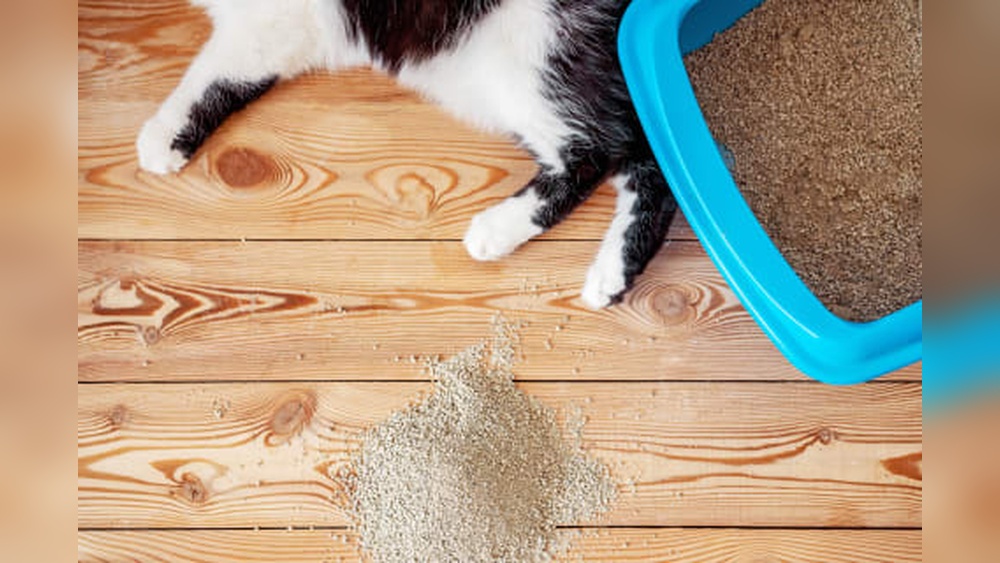
Urinary tract infections (UTIs) in cats can cause a lot of discomfort and health problems if not managed quickly. Many cat owners notice their pets acting differently—maybe urinating outside the litter box, straining to pee, or even crying out in pain.
These signs are worrying, but with the right knowledge, you can help your cat recover and avoid future problems. In this guide, you’ll learn exactly how to treat UTIs in cats, what warning signs to watch for, and how to support your cat’s long-term urinary health.
Understanding Urinary Tract Infections In Cats
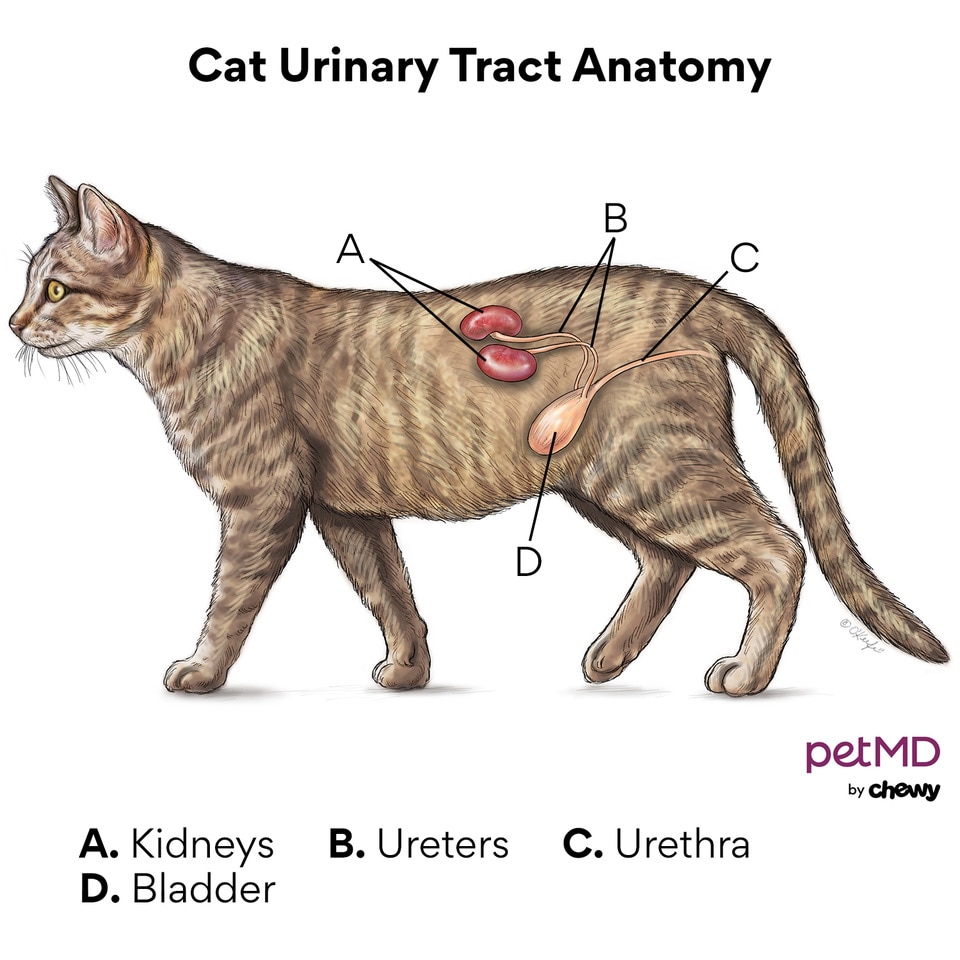
A urinary tract infection happens when bacteria enter the urinary system, causing inflammation and discomfort. Although UTIs are less common in cats than in dogs, they can still cause serious health risks. UTIs often affect the bladder (cystitis), but can also involve the urethra or even the kidneys.
The most common causes include:
- Bacterial infection: Usually from bacteria entering through the urethra.
- Urinary crystals or stones: These can irritate the bladder and lead to infection.
- Underlying diseases: Diabetes or kidney disease can increase risk.
- Poor hygiene: Dirty litter boxes encourage bacterial growth.
Cats over age 10, males, and overweight cats are more likely to develop UTIs. Neutered males are at higher risk because their urethra is narrower, making blockages more likely.
Recognizing Symptoms Of Utis In Cats
Cats are experts at hiding pain, but certain signs can alert you to a possible UTI:
- Frequent trips to the litter box with little or no urine produced
- Straining, discomfort, or yowling during urination
- Blood in the urine (hematuria)
- Urinating outside the litter box
- Licking the genital area more than usual
- Strong-smelling urine
- Lethargy or loss of appetite
If you notice any of these signs, it’s important to act quickly. Untreated infections can lead to more severe problems, like blockages or kidney infections (pyelonephritis).

Credit: todaysveterinarypractice.com
Why Prompt Treatment Is Critical
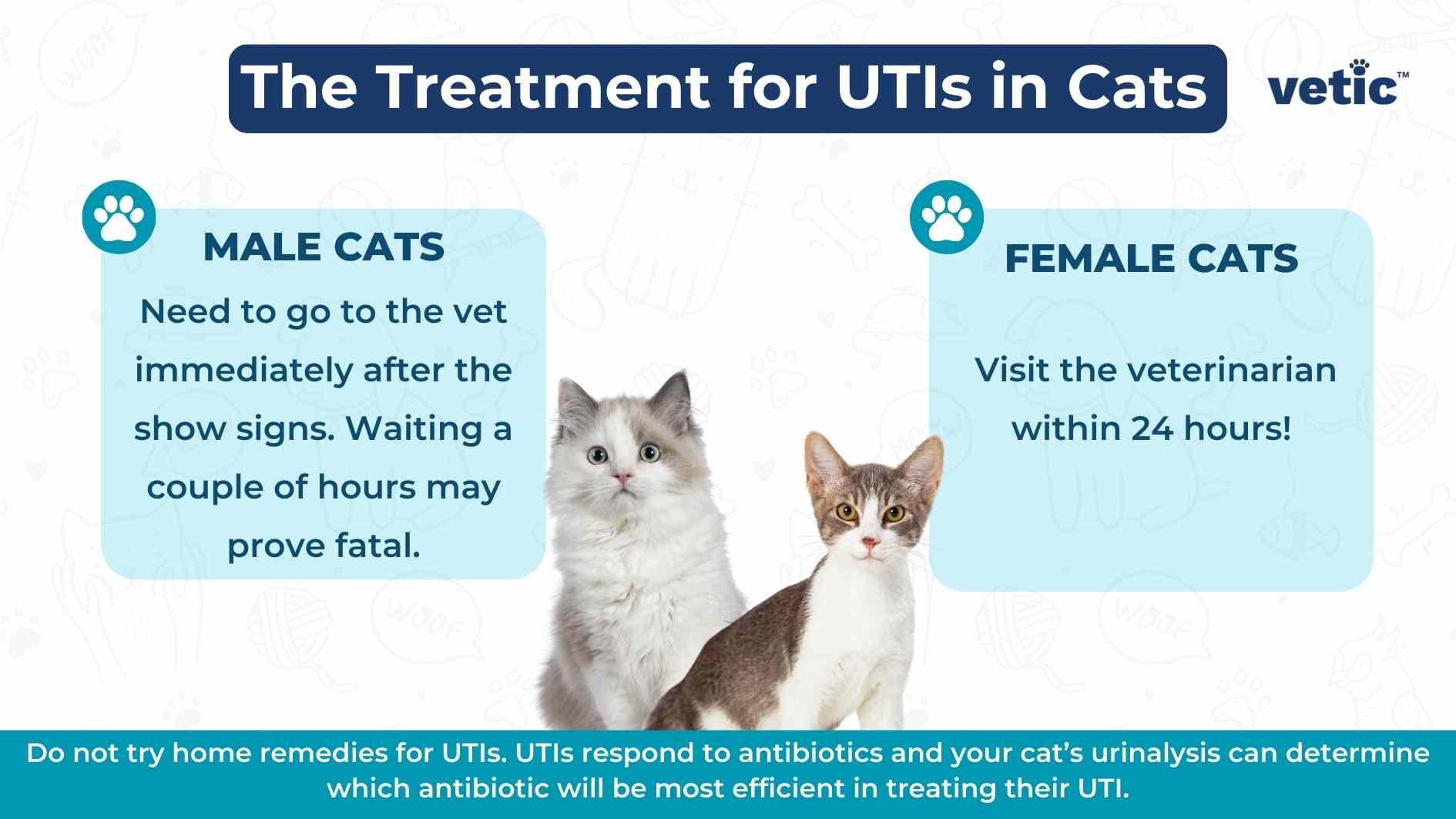
A UTI may seem minor, but in cats, it can turn dangerous fast. Male cats are especially at risk for urethral obstruction, which can become life-threatening within hours. Without treatment, infections can also travel to the kidneys, causing permanent damage.
Delaying treatment risks:
- Severe pain and distress
- Bladder rupture
- Spread of infection (sepsis)
- Kidney failure
This is why you should never try to treat a suspected UTI at home without first consulting a veterinarian.
Diagnosing A Uti: What To Expect At The Vet
Your veterinarian will start with a physical exam and a detailed history. They may ask about your cat’s litter box habits, diet, and any changes in behavior. To confirm a UTI, your vet will need to collect a urine sample.
Here’s a comparison of common diagnostic methods:
| Diagnostic Test | Purpose | How It’s Done |
|---|---|---|
| Urinalysis | Check for infection, blood, crystals | Urine collected and analyzed in lab |
| Urine Culture | Identify bacteria type | Urine grown in lab to see bacteria |
| Blood Tests | Check kidney function | Blood sample drawn from cat |
| Imaging (X-ray/Ultrasound) | Find stones or blockages | Imaging of bladder and kidneys |
Urine is sometimes collected by inserting a needle into the bladder (cystocentesis) to avoid contamination. This may sound scary, but it’s a routine and safe procedure.
Effective Treatments For Cat Utis
Once your cat is diagnosed, treatment depends on the cause and severity of the infection. Below are the main ways veterinarians treat UTIs in cats.
1. Antibiotics
Antibiotics are the most common treatment for bacterial UTIs. The exact type is chosen based on culture results, but often, a broad-spectrum antibiotic is started while waiting for lab confirmation. Treatment typically lasts 7-14 days.
Important: Always finish the entire antibiotic course, even if your cat seems better. Stopping early can cause the infection to come back, often worse than before.
2. Pain Relief
UTIs are painful. Vets may prescribe pain medications such as buprenorphine or anti-inflammatories to keep your cat comfortable. Never give human painkillers—they are toxic to cats.
3. Increasing Water Intake
More water helps flush out bacteria and crystals. Cats are not always good at drinking water, so you may need to encourage them:
- Feed wet/canned food instead of dry kibble
- Use a pet water fountain to make drinking fun
- Add water or low-sodium broth to food
4. Treating Underlying Causes
If your cat has urinary crystals or stones, the vet may recommend a special diet. For cats with diabetes or kidney disease, managing the main disease is essential to prevent repeat UTIs.
5. Hospitalization (for Severe Cases)
Cats that cannot urinate, are very sick, or have blockages may need to stay at the animal hospital. Treatments can include intravenous fluids, catheterization to relieve blockages, and close monitoring.
Comparison of home vs. hospital care:
| Home Care | Hospital Care |
|---|---|
| Oral medications | IV fluids and medication |
| Diet changes | Catheterization (if blocked) |
| Monitoring at home | Continuous monitoring by vet team |
Hospital care is usually short-term, but it can save your cat’s life in emergencies.
6. Home Care And Monitoring
While the vet provides the main treatment, your role at home is very important. Follow all instructions, give medications on time, and keep the litter box extra clean. Track any changes in urination and appetite, and report problems to your vet right away.
Common Mistakes Cat Owners Make
Treating cat UTIs is not just about giving pills. Here are mistakes to avoid:
- Self-medicating: Never use human antibiotics or leftover cat medicine. The wrong drug can harm your cat or make bacteria resistant.
- Stopping treatment early: Even if your cat seems fine, the infection might still be there. Always finish the course.
- Ignoring litter box issues: Soiling outside the box is not “bad behavior”—it’s a sign of distress.
- Delaying vet visits: Waiting too long can turn a simple UTI into a crisis, especially in male cats.
- Not addressing stress: Changes in the home, new pets, or dirty litter boxes can trigger urinary problems. Keep your cat’s environment calm and clean.
Preventing Future Urinary Tract Infections
After your cat recovers, prevention is key. Some cats are prone to UTIs, so these steps can help keep your pet healthy:
1. Hydration
Cats with higher water intake have fewer UTIs. Wet food, fountains, and extra water bowls can make a big difference.
2. Diet
A balanced, urinary-friendly diet helps prevent crystals and stones. Ask your vet which food is best—some prescription diets lower the risk of future problems.
3. Litter Box Hygiene
Scoop the box daily and change litter often. One box per cat, plus one extra, is a good rule. Covered boxes may trap odors and stress some cats—watch your cat’s preference.
4. Stress Reduction
Stress can cause bladder inflammation (feline idiopathic cystitis). Keep routines stable, provide hiding spots, and use feline pheromone diffusers if needed.
5. Regular Vet Check-ups
Senior cats or those with chronic diseases need regular urine checks. Early detection stops problems before they become serious.
6. Weight Management
Overweight cats are more prone to urinary problems. Keep your cat active with toys and playtime, and manage portion sizes.
Real-world Example: Bella’s Recovery
Bella, a 7-year-old indoor cat, started urinating on the carpet and seemed restless. Her owner noticed a pinkish stain in her urine. At the vet, Bella had a urinalysis that showed infection and crystals. She received antibiotics, switched to a prescription urinary diet, and her owner placed a water fountain in the kitchen.
Within a week, Bella’s symptoms improved. Her owner learned to scoop the litter box twice daily and watch for any changes. Bella stayed UTI-free for the next year—a clear example that quick action and prevention really work.
Credit: www.petmd.com
When To Call The Vet Immediately
Some symptoms mean you should seek help right away:
- Straining to urinate with little or no urine produced
- Repeated trips to the box without results
- Crying out in pain, hiding, or sudden lethargy
- Vomiting or loss of appetite
These can be signs of a urinary blockage, which is an emergency. Male cats are especially at risk. Do not wait—call your vet or an emergency clinic if you see these warning signs.
The Role Of Supplements And Alternative Therapies
Some owners ask about using cranberry extracts, D-mannose, or herbal remedies. Scientific evidence for these in cats is limited. Always talk to your vet before adding any supplement. Some can interact with medications or worsen existing problems.
Uti Vs. Feline Lower Urinary Tract Disease (flutd)
Not all urinary problems in cats are caused by infection. Many cases are due to FLUTD, a group of conditions causing similar symptoms, but not always from bacteria. FLUTD can include bladder stones, inflammation (idiopathic cystitis), or even tumors.
Here’s how a UTI differs from other urinary issues:
| UTI | FLUTD (Non-infectious) |
|---|---|
| Bacterial cause | Often unknown cause or stress-related |
| Responds to antibiotics | May need diet, stress reduction |
| Older, female cats more common | Any age, both sexes |
This is why a proper diagnosis is crucial—treating the wrong condition can delay recovery.
Frequently Asked Questions
What Are The Most Common Signs Of A Uti In Cats?
The most common signs are frequent urination, straining, blood in the urine, urinating outside the litter box, and licking the genital area. If your cat shows any of these, a vet visit is needed.
Can I Treat My Cat’s Uti At Home Without A Vet?
No, you should not try to treat a UTI at home. Cats need a proper diagnosis and prescription medication. Using human drugs or guessing the cause can make things worse.
How Long Does It Take For A Cat To Recover From A Uti?
With the right treatment, most cats improve within 3–7 days, but antibiotics must be given for the full course (usually 7–14 days). Always finish the medication, even if your cat seems better.
Are Male Or Female Cats More At Risk For Utis?
Female cats are slightly more prone to infection due to their anatomy, but male cats are at higher risk for dangerous blockages because of their narrow urethra.
Where Can I Find More Information About Feline Urinary Health?
For in-depth advice, visit the Cornell Feline Health Center—it’s a trusted resource for cat owners.
Taking care of your cat’s urinary health means acting quickly when there’s a problem and making smart choices every day. With the right care, most cats recover fully and stay happy and healthy. If you ever feel unsure, your veterinarian is your best partner for keeping your feline friend safe.
Credit: www.lapitadearborn.com
