Potty training a new puppy is one of the first big challenges for every dog owner. It may seem simple, but behind every well-trained puppy is a careful plan, patience, and the right techniques. As a vet who has guided hundreds of families, I know there’s more to it than just taking your puppy outside.
Understanding the best methods, knowing what to expect, and how to handle mistakes can make the process smoother for both you and your pup. In this guide, I’ll walk you through everything you need to know to potty train your puppy confidently—even if this is your first dog.
Why Potty Training Matters
Potty training is about more than just keeping your home clean. It teaches your puppy good habits, helps avoid stress, and builds trust between you and your pet. Early training can prevent long-term behavior issues, reduce the risk of infections, and help your puppy feel comfortable in your home.
Puppies who understand where to go to the toilet are less likely to develop anxiety or destructive habits.
When To Start Potty Training
Puppies are ready for potty training as early as 8 weeks old. At this age, their bladders are small, and they need frequent breaks. Waiting too long can make training harder because bad habits form quickly. Starting early helps your puppy learn routines faster and adjusts to your schedule.

Credit: drphillipsanimalhospital.com
Understanding Puppy Bladder Control
Young puppies have very limited bladder control. A simple rule: a puppy can “hold it” for about one hour per month of age. For example, a 3-month-old puppy can usually wait up to 3 hours. But overnight, expect accidents until they’re around 4-6 months old. Recognizing this helps set realistic expectations.
Here’s a quick guide:
| Puppy Age | Max Time Between Toilet Breaks (Day) |
|---|---|
| 8 weeks (2 months) | 2 hours |
| 12 weeks (3 months) | 3 hours |
| 16 weeks (4 months) | 4 hours |
Essential Supplies For Potty Training
Before you start, gather the right tools. This makes training easier and more consistent.
- Crate – A safe space helps with overnight training and prevents accidents when you can’t watch your puppy.
- Leash and collar – Needed for taking your puppy outside regularly.
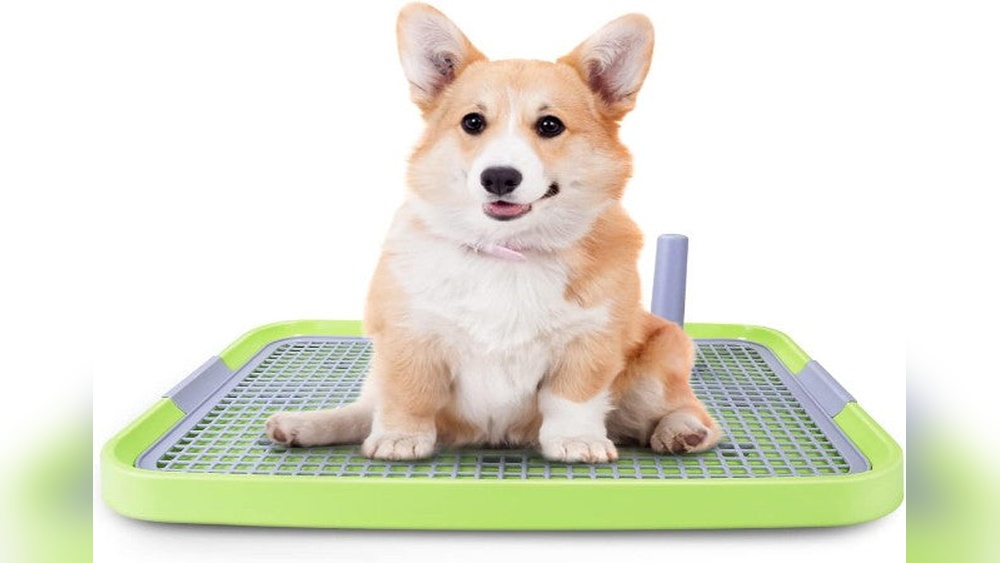
- Puppy pads or grass patches – Useful for indoor training in apartments or during bad weather.
- Enzyme cleaner – Removes smells and reduces the chance of repeat accidents.
- Treats – For rewarding good toilet behavior.
- Bell or signal (optional) – Some owners teach puppies to ring a bell when they need to go out.
Credit: petcarelab.co
Step-by-step Potty Training Process
A clear, structured routine is the foundation of successful potty training.
1. Choose A Toilet Area
Pick one outdoor spot for your puppy to use. Consistency helps them recognize and remember the smell and location. If you live in an apartment, use a balcony with real or artificial grass.
2. Set A Consistent Schedule
Take your puppy out:
- First thing in the morning
- After eating or drinking
- After naps or play sessions
- Before bedtime
For young puppies, this means every 2-3 hours during the day. Night breaks are normal for the first few months.
3. Supervise Closely
Keep your puppy within sight at all times. Use baby gates or a leash indoors if needed. Watch for signs your puppy needs to go: sniffing, circling, whining, or going to the door.
4. Use A Crate Wisely
Dogs naturally avoid soiling where they sleep. A crate helps your puppy learn to “hold it” and wait for breaks. The crate should be just big enough to stand, turn, and lie down—not too large, or they may use one end as a toilet.
5. Go Outside Right Away
When you see signs, take your puppy out immediately. Don’t wait. Quick action helps them connect the urge with going to the right spot.
6. Give A Cue Word
As your puppy squats, say a short phrase like “Go potty!” in a calm, positive voice. Use the same phrase every time.
7. Reward Instantly
The moment your puppy finishes, praise them warmly and give a small treat. Timing is key—reward within a few seconds, or your puppy won’t connect the action with the reward.
8. Handle Accidents Calmly
Never punish or yell at your puppy for mistakes. Clean up with an enzyme cleaner to remove all odors. If you catch your puppy in the act, gently interrupt and take them outside. Praise if they finish in the right spot.
How Long Does Potty Training Take?
Most puppies are reliable by 4-6 months of age, but some take longer. Small breeds may need more time due to tiny bladders. Consistency and patience are more important than speed. Each puppy learns at their own pace.
Common Potty Training Problems And Solutions
My Puppy Keeps Having Accidents
Accidents are normal at first. Check your schedule—is your puppy getting enough breaks? Are you supervising closely? Sometimes, excitement or stress can cause mistakes. If accidents continue after 6 months, consult your vet to rule out medical issues.
My Puppy Goes Inside Right After Being Outside
This often means your puppy is distracted outdoors. Try standing quietly in one spot and limit play until after your puppy goes. If needed, keep your puppy on a leash to focus on the task.
My Puppy Pees When Excited Or Afraid
Some puppies urinate when greeting people or feeling scared (submissive urination). This is not a house training issue. Stay calm, greet your puppy quietly, and build confidence over time.
Crate Training Vs. Pad Training
Both methods have benefits. Here’s a comparison to help you choose:
| Method | Best For | Main Advantage | Main Drawback |
|---|---|---|---|
| Crate Training | Most puppies, houses with yards | Teaches holding it and reduces accidents | Requires regular outdoor breaks |
| Pad Training | Apartments, small breeds, bad weather | Gives an indoor toilet option | Can slow transition to outdoor potty |
If possible, move from pads to outdoor training by slowly shifting the pad closer to the door and then outside.
Creating The Right Routine
Consistency is the secret to fast potty training. Set alarms if needed. Keep a simple log of your puppy’s toilet times for a few days. You’ll notice a pattern and can plan better.
Example of a daily schedule for a 10-week-old puppy:
| Time | Activity |
|---|---|
| 7:00 am | Wake up, potty break |
| 7:15 am | Breakfast |
| 7:30 am | Potty break |
| 9:00 am | Potty break after play/naps |
| 12:00 pm | Lunch and potty break |
| 2:00 pm | Potty break after nap |
| 6:00 pm | Dinner and potty break |
| 8:00 pm | Potty break before bedtime |
Adjust times based on your puppy’s needs, but stick to the order and routine.
Non-obvious Insights For Success
Most beginners focus only on timing and supervision, but miss two key points:
- Scent matters more than you think. Puppies learn where to go by smell. After cleaning an accident, use a paper towel with your puppy’s urine and place it in the outdoor toilet spot. This helps reinforce the right place.
- Don’t delay socialization for potty training. Some owners avoid walks until their puppy is fully trained. But early socialization is critical for a well-adjusted dog. Take your puppy outside, carry them if needed, and let them experience the world safely.

Credit: askavet.com
When To Call Your Vet
If your puppy is having many accidents, drinks or urinates much more than normal, or seems in pain, see your vet. Medical issues like urinary tract infections, parasites, or diabetes can cause potty problems. Most healthy puppies make progress with consistency and patience, but always check health if you’re unsure.
Potty Training For Special Cases
Some puppies need extra help:
- Rescue puppies may have had bad experiences. Use gentle, positive methods and don’t rush.
- Small breeds often need more breaks, even as adults.
- Older puppies from pet stores or shelters might need to unlearn bad habits.
Ask your vet for advice tailored to your puppy’s background.
Myths About Potty Training
- Myth: Rubbing a puppy’s nose in their mess teaches them not to do it again.
- Fact: This only creates fear and confusion.
- Myth: Puppies will “grow out of” accidents.
- Fact: Without training, bad habits get stronger.
- Myth: Only bad puppies have accidents.
- Fact: All puppies need time, patience, and training.
Realistic Expectations
Potty training is not instant. There will be setbacks, but every puppy can learn. Stay calm, be patient, and celebrate progress. Even the best-trained puppies have accidents sometimes. Remember, your puppy wants to please you—they just need your help to understand what you want.
For more in-depth advice, see the American Kennel Club’s puppy potty training guide.
Frequently Asked Questions
What If My Puppy Keeps Having Accidents In The Crate?
Check that the crate is not too large. Puppies should be able to stand and turn, but not have extra space to use as a toilet. Take your puppy out more often and clean the crate with an enzyme cleaner if accidents happen.
How Long Should I Wait Outside With My Puppy?
Wait at least 5-10 minutes. If your puppy doesn’t go, bring them inside and try again after 15 minutes. Don’t let playtime start until after your puppy uses the toilet.
Can I Use Puppy Pads Forever?
Puppy pads are helpful for small breeds or high-rise apartments, but most owners eventually want their dogs to go outside. Gradually move the pad closer to the door, then outside, to transition to outdoor potty habits.
Should I Wake My Puppy Up At Night To Go Potty?
Yes, for young puppies (under 4 months), set an alarm once or twice at night for a quick potty break. As your puppy grows, they will sleep longer without needing to go.
What If My Puppy Eats Their Own Poop?
This is called coprophagia. It’s common, but not normal. Clean up accidents quickly to remove temptation, and talk to your vet if the habit continues. Sometimes, diet changes or digestive issues are involved.
Potty training a puppy is a big job, but with the right knowledge, you’ll build good habits for life. Stay consistent, use positive methods, and remember every puppy learns at their own pace. With love, patience, and structure, your puppy will grow into a happy, well-behaved companion.
