Bringing a new puppy home is a joyful moment, but also a time filled with questions. One of the biggest concerns for new pet owners is, “How much should I feed my puppy? ” Puppies grow fast, and proper nutrition is key to healthy development.
Feeding your puppy the right amount—and at the right times—can set them up for a long, healthy life. As a calm expert, I’ll guide you through everything you need to know about feeding your puppy, based on veterinary advice and real-life experience.
Why Puppy Nutrition Matters
Puppies are not just small dogs. Their bodies are developing rapidly, and their needs are very different from adult dogs. Growth, bone development, and immune system strength all depend on what your puppy eats. Feeding too little can cause stunted growth, while feeding too much can lead to obesity and joint problems. The food you choose and the amount you serve will influence your puppy’s health for years.
Key Factors Influencing How Much To Feed
Deciding how much to feed your puppy is not a simple answer. Several factors come into play:
- Age: Young puppies need more frequent, smaller meals.
- Breed and Size: Larger breeds have different energy needs than small breeds.
- Activity Level: Playful, active puppies burn more calories.
- Body Condition: Thin, overweight, or healthy condition matters.
- Type of Food: Kibble, wet food, and raw diets have different calorie densities.
- Health Status: Illness or medical conditions can change requirements.
Each puppy is unique. A feeding guide is a starting point, but you’ll need to adjust based on your puppy’s individual needs and how they grow.

Credit: www.lapitadearborn.com
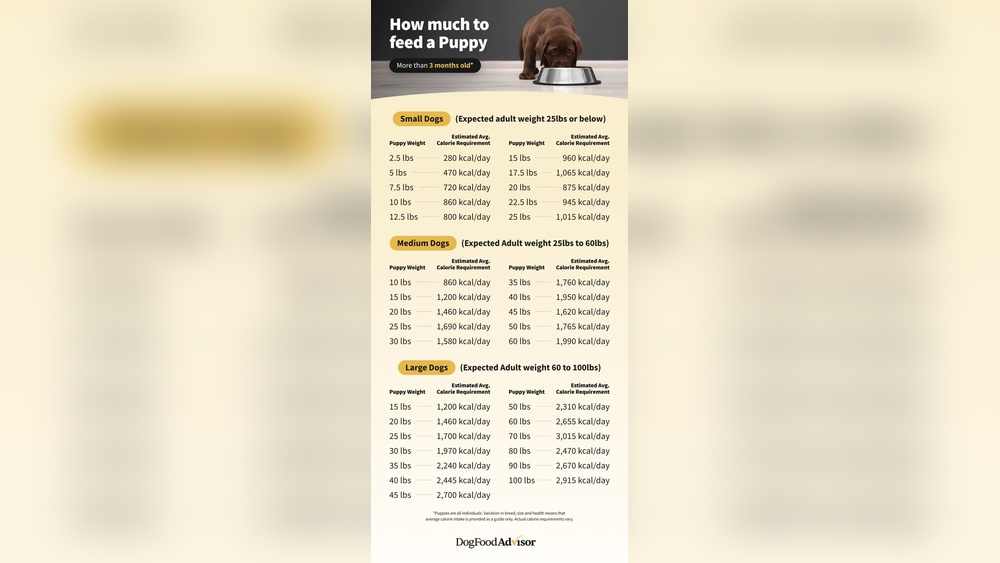
Understanding Feeding Guidelines On Puppy Food Labels
Most commercial puppy foods provide a feeding chart on the packaging. These charts are a good reference, but not always exact. Here’s how to read them:
| Puppy Weight (kg) | 2 Months | 4 Months | 6 Months | 12 Months |
|---|---|---|---|---|
| 2 | 55g | 70g | 85g | 70g |
| 5 | 110g | 140g | 170g | 140g |
| 10 | 185g | 230g | 280g | 230g |
These numbers are based on average activity. If your puppy is very active or unusually calm, you may need to add or subtract about 10–20%. Always use a kitchen scale or measuring cup for accuracy, as guessing can lead to over- or under-feeding.
Feeding By Age: How Meals Change As Your Puppy Grows
1. 6 To 12 Weeks
Puppies this young need four meals a day. Their stomachs are small, but their energy needs are high. Don’t feed adult dog food—it won’t have enough protein or nutrients.
2. 3 To 6 Months
Gradually reduce meals to three times a day. At this stage, you’ll notice steady growth, but avoid overfeeding. Chubby puppies may look cute, but extra weight is bad for their joints.
3. 6 To 12 Months
Move to two meals a day. Most puppies are ready for a feeding routine similar to adult dogs. Large breeds may need to stay on puppy food longer (up to 18–24 months).
4. Over 12 Months
Switch to adult dog food around their first birthday (or later for giant breeds). Continue with two meals a day. For some toy breeds, three smaller meals may still be better.
How To Choose The Right Puppy Food
Not all puppy foods are created equal. Look for these features:
- High-quality protein (meat as the first ingredient)
- Fatty acids for brain and coat health
- Calcium and phosphorus for bone growth
- Added vitamins and minerals
Avoid foods with fillers like corn, excessive by-products, or artificial colors. If you’re unsure, ask your vet or look for brands approved by the Association of American Feed Control Officials (AAFCO).
Dry Food, Wet Food, Or Raw Diet?
Each food type has its pros and cons. Here’s a quick comparison:
| Type | Pros | Cons |
|---|---|---|
| Dry Kibble | Easy storage, dental benefits, affordable | Less palatable, lower moisture |
| Wet Food | Highly palatable, more moisture | Expensive, can cause dental plaque |
| Raw Diet | Natural ingredients, high protein | Risk of bacteria, hard to balance nutrients |
Many owners mix wet and dry food for variety. If you choose a raw diet, consult a vet or canine nutritionist to avoid nutrient deficiencies.
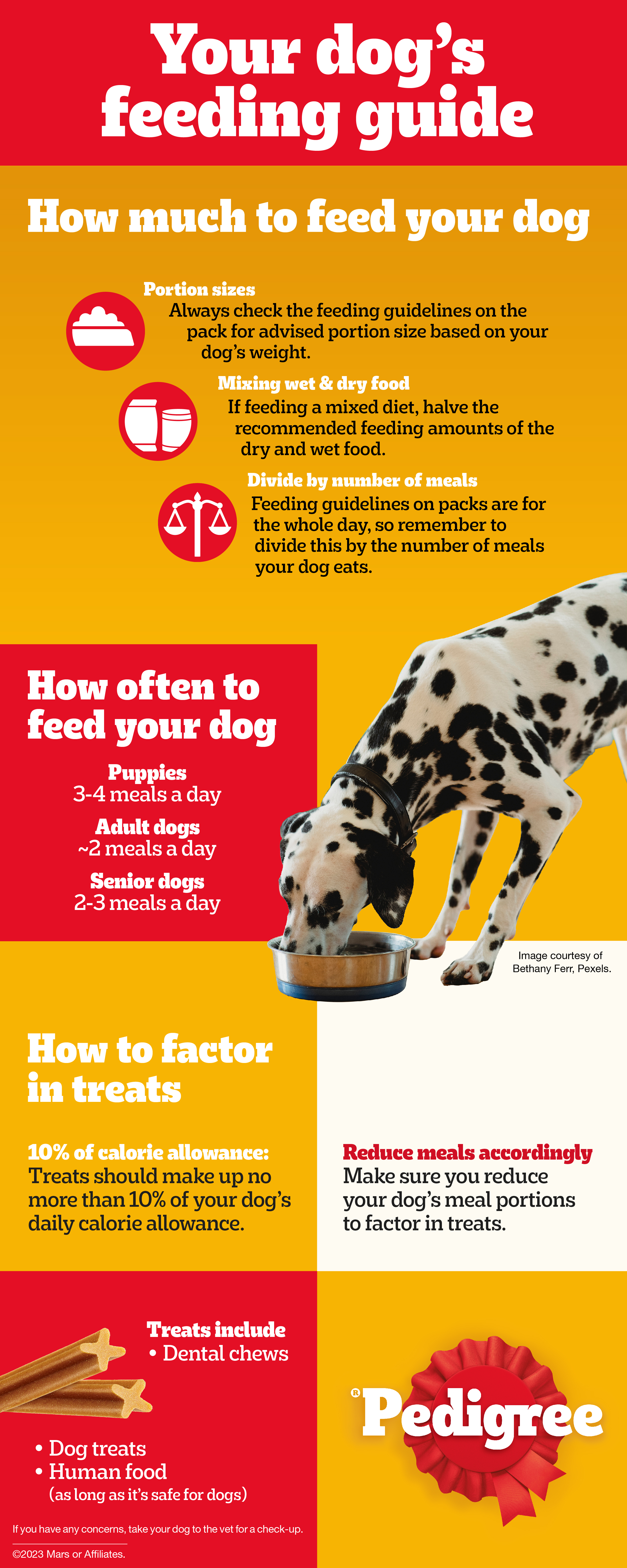
Credit: www.pedigree.com.au
Calculating The Right Amount: Step-by-step
- Weigh your puppy weekly, using a pet scale.
- Check the feeding guide on your chosen puppy food.
- Calculate daily needs based on weight and age.
- Divide into meals (2–4 per day, depending on age).
- Monitor body condition. You should feel, but not see, ribs. There should be a waist when viewed from above.
Example
If your 12-week-old Labrador puppy weighs 8 kg, the food label says 170g per day. Divide 170g into three meals: around 55g each. If your puppy leaves food or seems hungry, adjust slightly.
When And How To Switch Foods
Changing your puppy’s food should be gradual to avoid stomach upset:
- Day 1–2: 75% old food, 25% new food
- Day 3–4: 50% old food, 50% new food
- Day 5–6: 25% old food, 75% new food
- Day 7: 100% new food
Watch for diarrhea, vomiting, or loss of appetite. Go slower if needed.
Common Mistakes To Avoid
Even with good intentions, it’s easy to make feeding errors. Here are some of the most common:
- Free feeding (leaving food out all day): Can cause overeating and obesity.
- Feeding table scraps: Human food can be dangerous and unbalances their diet.
- Not adjusting for treats: Too many treats can lead to weight gain.
- Ignoring growth changes: Puppies need less as they slow down in growth.
- Switching food too fast: Causes stomach upset.
How Activity Level And Breed Affect Feeding
Some breeds, like Border Collies or Jack Russell Terriers, are naturally more active and may need extra calories. Giant breeds (like Great Danes) grow slowly and need controlled calcium to prevent bone issues. Toy breeds (like Chihuahuas) are prone to low blood sugar and may need more frequent meals.
For mixed breeds, estimate based on expected adult size. If you’re unsure, your vet can help determine the best plan.

Credit: farmtopettreats.com
Recognizing Signs Of Overfeeding And Underfeeding
Learning to “read” your puppy’s body is a skill. Look for these signs:
Overfeeding
- Rapid weight gain
- Less energy, slow movement
- Visible fat rolls
- Loose stool
Underfeeding
- Prominent ribs, spine, or hips
- No energy or poor coat
- Crying for food after meals
If you notice these, adjust portions or check with your vet.
Special Cases: Puppies With Health Issues
Some puppies have allergies, sensitive stomachs, or medical conditions. In these cases, your vet may recommend a special diet. For example, some large breeds need lower-calorie foods to prevent rapid growth. Puppies with digestive issues might need highly digestible or limited-ingredient diets.
Practical Tips For Feeding Success
- Feed at the same times each day to set a routine.
- Use a quiet space—no distractions during meals.
- Remove uneaten food after 20 minutes.
- Clean bowls daily to avoid bacteria.
- Track growth with a notebook or app.
If you travel or need help, measure out daily portions in advance.
Real-world Example: Growing With Your Puppy
Samantha brought home a 10-week-old Beagle named Max. She started with the food the breeder used, feeding four meals a day. Max was energetic, but after a few weeks, he seemed less hungry. Samantha switched to three meals, checking his weight every week.
At six months, she moved to two meals and gradually changed to adult food at a year. By watching his body shape and energy, she kept him healthy—never guessing or relying on just the bag’s instructions.
When To Consult Your Veterinarian
Always involve your vet if you have concerns about your puppy’s growth or appetite. Sudden changes, vomiting, diarrhea, or rapid weight gain/loss are reasons to seek advice. Your vet can recommend the best feeding schedule and amount for your puppy’s breed and lifestyle. For more detailed guidelines, visit the American Veterinary Medical Association.
Frequently Asked Questions
How Do I Know If My Puppy Is Eating Enough?
Check your puppy’s body condition. You should be able to feel their ribs but not see them. If your puppy is active, has a shiny coat, and grows steadily, you’re likely feeding the right amount.
Can I Give My Puppy Treats?
Yes, but treats should not make up more than 10% of daily calories. Use healthy options and always subtract treat calories from the total daily allowance.
Should I Give My Puppy Supplements?
Most high-quality puppy foods are complete and balanced. Only give supplements if your vet recommends them, as extra calcium or vitamins can cause problems.
What Should I Do If My Puppy Skips A Meal?
If your puppy skips one meal but is otherwise healthy, it’s usually not a problem. If they skip more than two meals, or show signs of illness (vomiting, diarrhea, lethargy), call your vet.
Is It Okay To Change My Puppy’s Food Brand?
Yes, but do it gradually over a week to avoid stomach upset. Always choose a food labeled for puppies and check for AAFCO approval.
Feeding your puppy may feel complicated at first, but with careful observation and guidance, you’ll find the right balance. Remember: every puppy is different, so adjust as they grow, and always reach out to your veterinarian with questions. Your puppy’s future health starts with the bowl you fill today.
