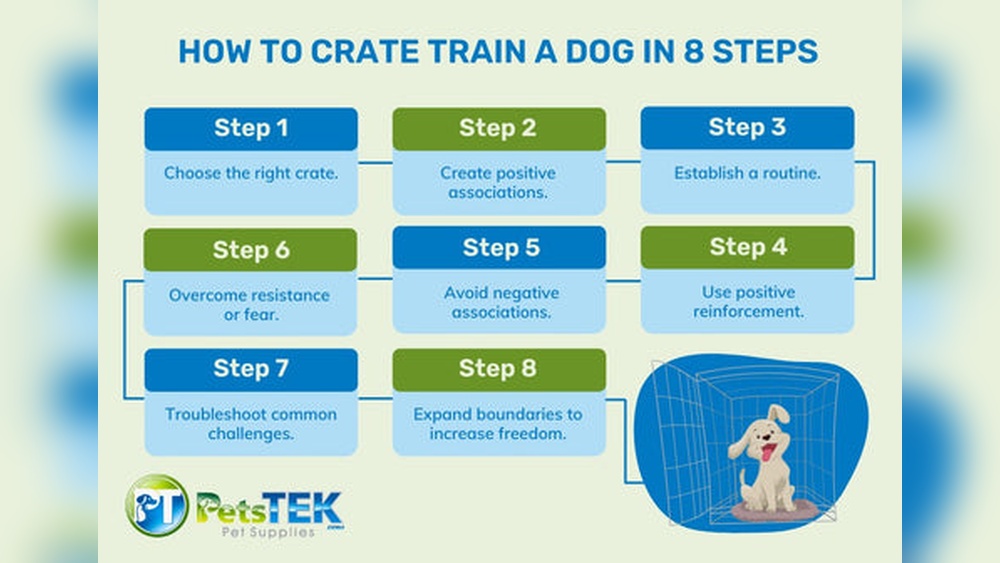
Crate training a dog can make life easier for both you and your pet. It helps with house training, offers a safe space, and can reduce anxiety. Many dog owners, however, worry that crate training may be cruel or stressful for their dogs.
The truth is, when done correctly, crate training can give your dog comfort and security. This guide will walk you through every step, from choosing the right crate to solving common problems, using clear language and practical advice. If you’re starting fresh or fixing mistakes from the past, you’ll find everything you need to succeed.
Why Crate Training Matters
Many people misunderstand the purpose of a crate. It is not a punishment or a cage. Instead, it can be a safe haven for your dog. Dogs naturally seek small, enclosed spaces, similar to dens in the wild. Crate training taps into this instinct, making your dog feel secure and relaxed.
Crate training also:
- Speeds up house training by teaching your dog bladder control
- Keeps your dog safe when you cannot supervise
- Helps prevent destructive behavior (like chewing furniture)
- Makes travel and vet visits less stressful
Research by the American Kennel Club shows that crate-trained dogs are less likely to develop separation anxiety. In fact, over 60% of dog owners who use crates report fewer behavior issues.
Choosing The Right Crate
The first step is picking the best crate for your dog. A crate that is too small will be uncomfortable, while one that is too big won’t feel cozy or secure.
| Crate Type | Best For | Pros | Cons |
|---|---|---|---|
| Wire Crate | All dogs, especially chewers | Good airflow, easy to clean, foldable | Less cozy, not ideal for travel |
| Plastic Crate | Travel, anxious dogs | More private, airline approved | Harder to clean, less airflow |
| Soft-Sided Crate | Small, calm dogs | Lightweight, portable | Easy to chew or escape from |
Key tips for crate size:
- Your dog should be able to stand, turn, and lie down comfortably.
- For puppies, choose a crate with a divider so it “grows” with them.
- Measure your dog’s length (nose to tail) and height (floor to top of head), then add 2-4 inches to each.
Where To Place The Crate
Location is important. Place the crate in a quiet but not isolated area. The kitchen or living room often works well. Your dog should feel part of the family but also have a peaceful spot for rest. Avoid direct sunlight, cold drafts, or noisy spots near the TV or washing machine.
For young puppies, having the crate in your bedroom at night can help them settle more quickly. As your dog grows comfortable, you can move the crate to your preferred location.
Getting Your Dog Used To The Crate
Most dogs need time to feel comfortable in a crate. Never force your dog inside. Instead, use patience and positive reinforcement.
Step-by-step Process
- Introduce the crate: Keep the door open. Let your dog sniff and explore at their own pace.
- Make it inviting: Add a soft bed, blanket, and safe chew toys. Use treats to create positive feelings.
- Feed in the crate: Start giving meals just inside the door, then gradually move the bowl further in.
- Close the door briefly: Once your dog is eating inside, close the door for a few minutes while they eat. Open it before they finish.
- Increase the time: Slowly extend the time your dog spends in the crate with the door closed. Stay nearby at first, then leave the room for short periods.
- Practice with short absences: Leave your dog alone for a few minutes, then return. Increase the time gradually.
Non-obvious insight: Many owners move too quickly. If your dog whines or acts scared, go back a step. Crate training is not a race.
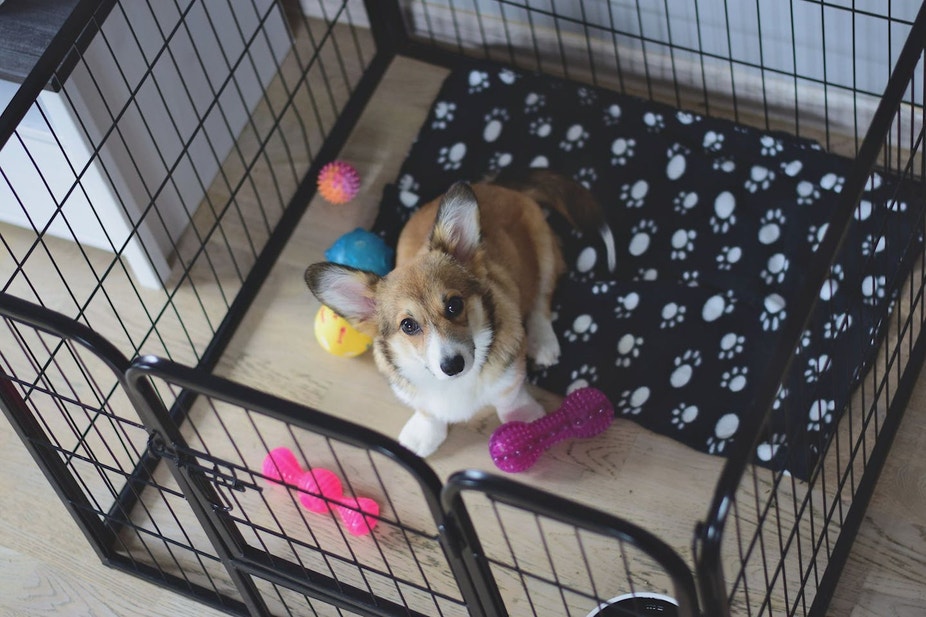
Credit: www.eukanuba.com
How Long Should A Dog Stay In The Crate?
Dogs can only handle being crated for so long, especially puppies. Over-crating can cause stress and accidents.
| Dog’s Age | Maximum Crate Time |
|---|---|
| 8-10 weeks | 30-60 minutes |
| 11-14 weeks | 1-3 hours |
| 15-16 weeks | 3-4 hours |
| 17+ weeks (adult) | 4-6 hours |
Always give your dog bathroom breaks, exercise, and playtime outside the crate. Adult dogs can handle longer stretches, but even they need regular breaks.
Using The Crate For House Training
Crate training is one of the fastest ways to teach a dog to be clean indoors. Dogs naturally avoid soiling their sleeping space. Use this instinct to your advantage.
Steps For House Training
- Keep a schedule: Take your dog out first thing in the morning, after meals, after naps, and before bedtime.
- Praise and reward: Give treats and praise when your dog eliminates outside.
- Limit freedom indoors: Supervise your dog. If you can’t watch them, use the crate.
- Watch for signs: Sniffing, circling, or whining can mean your dog needs to go out.
- Clean accidents well: Use an enzyme cleaner to remove all smells and prevent repeat accidents.
A common mistake is leaving a puppy in the crate too long, which can force them to have an accident and slows down training.

Credit: aeroclubcomo.com
Making The Crate A Positive Place
Your dog should see the crate as a safe, happy space—not a prison. Never use the crate for punishment. Instead, try these ideas:
- Give your dog special toys or treats only in the crate.
- Play crate games (like tossing treats inside for your dog to fetch).
- Occasionally feed meals in the crate, even after training is complete.
- Leave the crate open when you’re home, so your dog can use it freely.
If your dog hesitates to enter, try a food puzzle or a high-value treat to make the crate more appealing.
Solving Common Crate Training Problems
Crate training does not always go smoothly. Here are some common issues and solutions:
Whining Or Barking
Dogs may whine if they need the bathroom or feel anxious. If you’re sure your dog does not need to go out, ignore the noise until it stops. Letting your dog out while whining teaches them that noise gets attention.
Insight: Some dogs whine because they are bored. Make sure your dog has had enough exercise before crating.
Accidents In The Crate
If your dog soils the crate, it may be:
- Too young to hold it
- Left too long
- Crate is too big (use a divider)
- Has a medical issue
Clean up accidents thoroughly and adjust your schedule if needed.
Refusing The Crate
Some dogs are fearful. Go back to basics: feed near the crate, use treats, and never force your dog inside. Covering the crate with a blanket can sometimes help by making it feel cozier.
Chewing Bedding
Puppies often chew. Use chew-proof bedding and safe toys. Remove bedding if your dog tries to eat it, as this can be dangerous.
Moving Beyond The Basics: Advanced Tips
As your dog grows used to the crate, you can start using it in new ways.
- Use the crate during car rides to keep your dog safe.
- Teach your dog a cue like “crate” so they enter on command.
- Practice crating at different times of day, not just when you leave the house.
Advanced insight: Dogs can form negative associations if you only use the crate when you leave. Occasionally crate your dog while you’re home, so they don’t connect it only with your absence.
When Not To Use A Crate
Crates are helpful, but not for every situation. Do not use a crate:
- For punishment
- For dogs with separation anxiety (without a behavior plan)
- For very long periods (over 6-8 hours for adults)
- For dogs with medical issues that prevent movement
If your dog panics, injures themselves, or shows signs of extreme stress, consult a certified dog trainer or veterinarian.
Crate Training Mistakes To Avoid
Many owners make simple mistakes that slow down training:
- Moving too fast: Rushing steps can create fear.
- Using the crate for punishment: This makes the crate scary.
- Leaving a collar on: Collars can get caught in wire crates.
- Not sticking to a routine: Inconsistency confuses your dog.
- Ignoring exercise needs: Tired dogs settle easier in crates.
Avoiding these mistakes will make training smoother and faster.
Crate Training For Special Situations
Some dogs need extra help, such as rescues or older dogs who were never crate trained. For these dogs:
- Go even slower with introductions.
- Use high-value treats (like cooked chicken).
- Keep sessions short and positive.
- Celebrate small wins—entering the crate, staying calm inside, etc.
Older dogs may take longer, but with patience, most can learn to enjoy their crate.
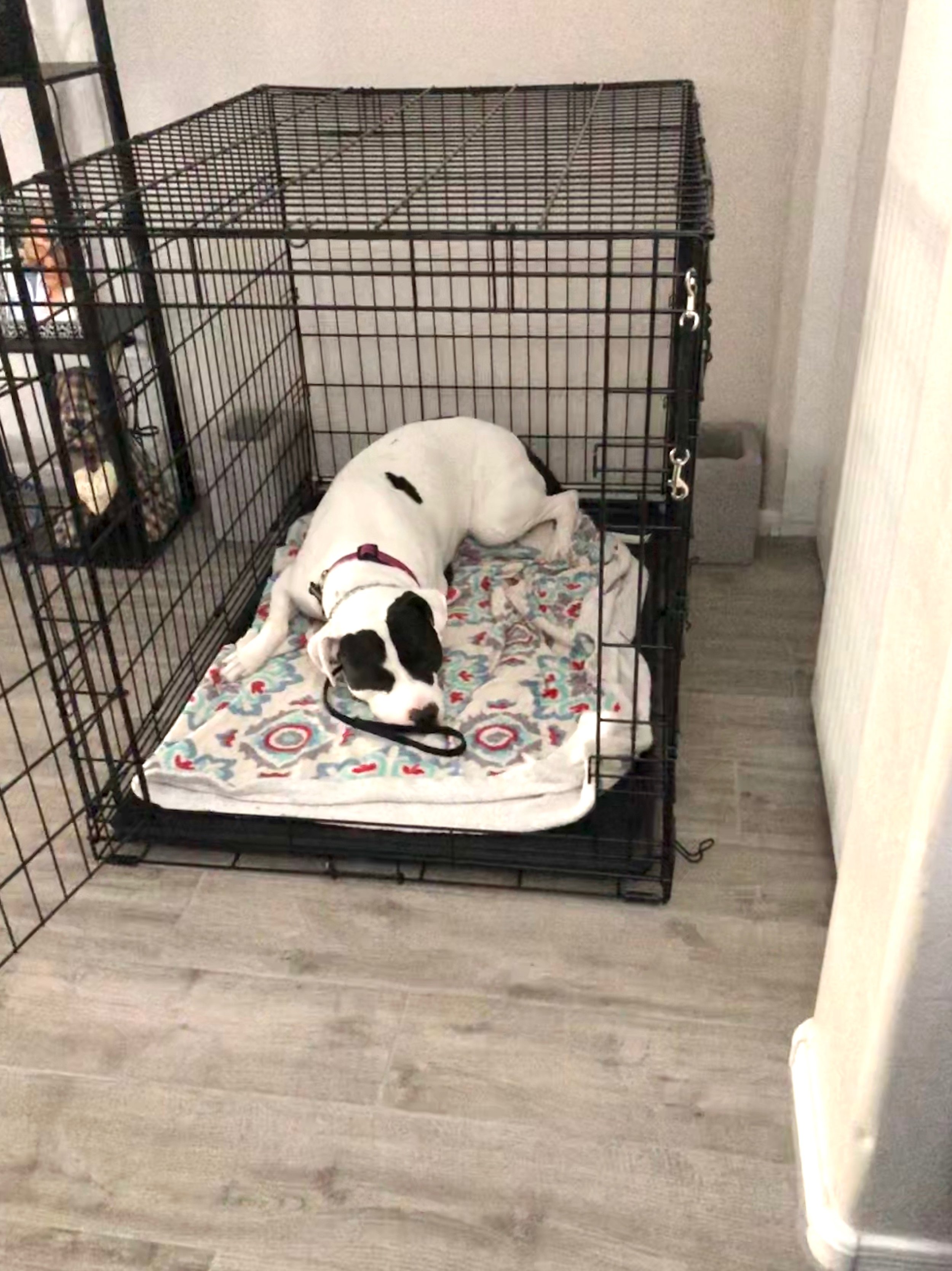
Credit: www.sadiesrulesk9training.com
Crate Training Myths And Facts
It’s easy to find conflicting advice about crate training. Let’s clear up some myths.
| Myth | Reality |
|---|---|
| Crate training is cruel | When used correctly, crates are safe and comforting |
| Dogs “outgrow” the crate | Many adult dogs enjoy using their crate for life |
| Crating causes separation anxiety | Proper crate use often prevents anxiety |
| All dogs learn at the same pace | Every dog is different—some need more time |
If you want more details on crate training, the American Kennel Club offers additional resources.
Frequently Asked Questions
How Long Does It Take To Crate Train A Dog?
Most dogs learn the basics in 1-2 weeks, but some may take a month or more. Puppies and anxious dogs often need extra time.
Should I Cover My Dog’s Crate With A Blanket?
Covering the crate can help some dogs relax, but always leave enough airflow. Watch for signs of overheating or stress.
Can I Crate Train An Older Dog?
Yes, older dogs can learn to love the crate. Go slow, use positive rewards, and be patient. Progress may be slower than with puppies.
What Should I Do If My Dog Barks In The Crate?
Ignore barking unless you think your dog needs the bathroom. Responding to barking can make it worse. Make sure your dog is tired and has toys to stay busy.
Is It Okay To Leave Toys In The Crate?
Safe chew toys are fine, but avoid anything that can be swallowed or choked on. For puppies, use sturdy toys that are made for chewing.
Crate training is one of the most valuable skills you can teach your dog. With patience and the right approach, your dog will learn to see the crate as a safe and happy place. This makes life better for both of you, whether at home or on the go. Start slow, use positive rewards, and remember: every dog learns at their own pace. Your effort now will pay off for years to come.
