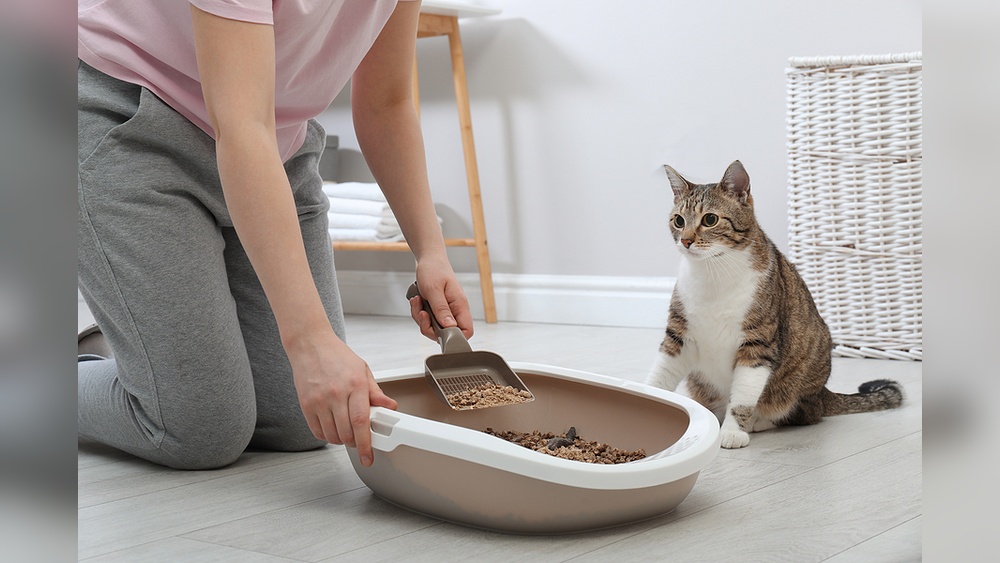
Bringing a new cat into your home is exciting, but one common challenge is helping your cat use a litter box. Many new cat owners expect their pet to know what to do right away, but it often takes patience and the right approach. Cats are naturally clean animals, but the wrong setup, box, or location can confuse them. If your cat isn’t using the litter box, you’re not alone—studies show that up to 10% of cats develop elimination problems at some point. The good news? With the right steps, almost every cat can learn to use the litter box reliably.
This guide will show you exactly how to get your cat using the litter box, even if you’ve tried before and failed. You’ll learn what really matters, the steps most owners miss, and how to solve common problems. With a little patience and these proven strategies, you’ll soon enjoy a cleaner home and a happier cat.
Choosing The Right Litter Box
The first step is picking the right litter box for your cat. Not all boxes are the same, and cats can be picky. Here’s what to consider:
- Size matters: The litter box should be large enough for your cat to turn around easily. For most adult cats, a box that is at least 1.5 times the length of your cat (nose to base of tail) is ideal. Many problems start because the box is too small.
- Open vs. covered: Some cats prefer open boxes because they feel less trapped. Covered boxes may keep smells in, but some cats avoid them.
- Entry height: Older cats or kittens may need a box with a low entry, so they can get in and out easily.
- Number of boxes: The basic rule is one box per cat, plus one extra. If you have two cats, use three boxes.
- Material and shape: Plastic is the most common material. Avoid boxes with strong odors from manufacturing.
Here’s a simple comparison of box types:
| Type | Best For | Potential Problems |
|---|---|---|
| Open Box | Most cats, easy access | Odor, litter scatter |
| Covered Box | Shy cats, odor control | May trap smells, hard to enter |
| Top-Entry Box | Preventing litter mess | Difficult for kittens/older cats |
Selecting The Right Cat Litter
Not all cat litter works for every cat. The wrong litter can turn a cat away from the box. Here’s what to look for:
- Clumping litter is popular because it’s easy to clean, but some cats dislike the texture.
- Non-clumping litter is often softer and dust-free, good for kittens.
- Natural litters (corn, wheat, wood) are eco-friendly, but not every cat accepts them.
- Scented vs. unscented: Most cats prefer unscented litter. Strong smells can be overwhelming.
A study by the Ohio State University found that 70% of cats prefer fine-grained, unscented litter. For kittens, avoid clumping clay, as they might eat it.
Here’s a quick look at litter types:
| Litter Type | Pros | Cons |
|---|---|---|
| Clumping Clay | Easy to scoop, controls odor | Dusty, heavy, not for kittens |
| Non-Clumping Clay | Cheap, widely available | Harder to clean, smells faster |
| Natural (corn, pine) | Eco-friendly, less dust | Some cats dislike texture |
| Silica Gel | Low dust, long-lasting | Expensive, not always accepted |
Placing The Litter Box
Location is key to litter box success. Even the best box and litter won’t help if the box is in the wrong spot.
- Quiet and private: Cats want privacy. Avoid noisy areas like laundry rooms with running machines.
- Easy access: Make sure your cat can always get to the box, day or night.
- Away from food and water: Cats rarely use a box near their food bowls.
- Multiple floors: If you have a multi-story home, put a box on each level.
A hidden mistake: Placing the box in a tight corner or behind furniture can make some cats feel trapped. If the cat feels there’s no escape, it may avoid the box.
Preparing And Maintaining The Litter Box
A clean box is a must. Cats have a strong sense of smell, and a dirty box can make them look for other places to go.
- Scoop daily: Remove waste at least once a day. Twice is even better.
- Change litter weekly: Even with scooping, change out all litter and wash the box with mild soap and water weekly.
- Avoid strong cleaners: Never use bleach or scented products—they can leave behind odors your cat hates.
- Keep enough litter: Fill the box with 5–7 cm (2–3 inches) of litter. Too little or too much can be a problem.
A common mistake is not cleaning often enough. If you smell the box, your cat noticed it much earlier.

Credit: healingwithhorsesranch.org
How To Introduce A Cat To The Litter Box
Whether you have a kitten or an adult cat, the first introduction matters.
- Show the box: Gently place your cat in the box after meals, naps, and playtime, especially for kittens.
- Let them explore: Don’t force your cat to stay in the box. Allow natural curiosity.
- Praise quietly: If your cat uses the box, give a gentle pet or soft word. Avoid treats right after, as cats may not connect the reward.
- Repeat, but don’t punish: If your cat has an accident, never punish. Clean the spot well and try again.
For adopted adult cats, bring them to the box as soon as you arrive home. Confined in a small room with a box for the first few days helps them learn quickly.
Troubleshooting: If Your Cat Won’t Use The Litter Box
If your cat is not using the box, act fast—ignoring the problem makes it harder to solve. Here’s what to check:
- Health problems: Urinary infections, bladder stones, or constipation can cause accidents. If your cat suddenly stops using the box, see a vet.
- Box size or style: Your cat may dislike the box. Try a larger or uncovered box.
- Dirty box: Even a little odor can put a cat off.
- Litter type: Switch to an unscented, fine-grain litter.
- Location: Move the box to a quieter place.
- Stress or changes: New pets, visitors, or moving house can upset routines.
- Old urine smell: Clean any accident spots with an enzyme cleaner to remove all smell. If your cat can still smell their urine, they may return to the same spot.
It’s a surprising fact, but stress is one of the top reasons for litter box problems. Cats are sensitive to changes, so keep routines steady.

Credit: www.humaneworld.org
Special Tips For Kittens
Kittens learn fast, but they need gentle guidance.
- Low-sided boxes: Make it easy for small kittens to enter.
- Frequent visits: Take kittens to the box after eating and sleeping.
- Safe space: Confine kittens to one room with their box until they use it regularly.
- Supervise play: Young kittens may be distracted and forget where the box is.
It’s easy to overlook: Litter box use is a learned behavior. Mother cats show kittens, so if you adopt a very young kitten (under 8 weeks), they may need extra help.
Adopting A Cat With Litter Box Issues
If you rescue or adopt a cat with a history of accidents, be patient.
- Set up a calm space: Give your cat one quiet room with everything they need, including the box.
- Use familiar smells: Bring a blanket or toy with the cat’s old scent to reduce stress.
- Start fresh: Use a new, clean box and fresh litter. Cats sometimes associate old boxes with stress.
- Gradually expand freedom: As your cat uses the box, let them access more of the home.
Many cats with past problems can learn with time and positive experiences.
Common Litter Box Mistakes (and How To Avoid Them)
Many owners make the same errors, even with good intentions. Here are the most frequent:
- Too few boxes: One box for multiple cats almost always causes problems.
- Ignoring accidents: Cats return to uncleaned spots. Use an enzyme cleaner, not just soap and water.
- Moving the box often: Cats need consistency. Only move a box if you have no choice, and do it gradually.
- Punishing accidents: Yelling or rubbing a cat’s nose in the mess only causes fear and stress.
- Using liners or mats that scare cats: Some cats dislike plastic liners or noisy mats.
Understanding your cat’s preferences is often the missing piece. Watch your cat’s behavior—they may tell you what they dislike.
When To See A Veterinarian
Sometimes, litter box problems are a sign of a health issue.
- Sudden changes: If your cat was using the box and stops, see a vet quickly.
- Frequent urination, straining, or blood: These are medical emergencies.
- Elderly cats: Arthritis can make getting into high-sided boxes painful.
According to the American Veterinary Medical Association, urinary problems are among the most urgent reasons to seek care. Cats often hide pain, so changes in litter box use may be your first clue.

Credit: bestfriends.org
Advanced Tips For Stubborn Cases
If you’ve tried everything and your cat still refuses the box, try these advanced steps:
- Try different litters: Offer two or more types at the same time and let your cat choose.
- Use pheromone diffusers: These release calming scents that reduce stress.
- Add more boxes: In large homes, even three or four boxes may be needed.
- Work with a behaviorist: Sometimes, expert help is required for long-term problems.
A non-obvious insight: Some cats dislike covered boxes because they feel trapped, while others need a roof for privacy. You may need to experiment to find what your cat prefers.
Maintaining Success
Once your cat is reliably using the litter box, keep things steady.
- Stick to the routine: Clean at the same times each day.
- Monitor for changes: If your cat suddenly stops, address it right away.
- Reward good behavior: A gentle pet or calm word is enough.
Cats are creatures of habit. Small changes—new litter, moving the box, or new family members—can cause problems. Pay attention and act early to prevent setbacks.
For more on cat behavior, visit the ASPCA’s litter box problem guide.
Frequently Asked Questions
Why Is My Cat Suddenly Not Using The Litter Box?
A sudden change often means a health problem or stress. Urinary infections, bladder stones, or changes in the home are common causes. See your vet if the change is sudden.
How Many Litter Boxes Should I Have?
You should have one box per cat, plus one extra. For example, with two cats, have at least three boxes.
What Should I Do If My Cat Uses The Floor Instead?
Clean the area with an enzyme cleaner to remove all smell. Move the litter box closer to the spot if needed, and watch for stress or health issues.
Can I Move The Litter Box To A New Location?
Yes, but do it slowly. Move the box a little each day toward the new spot. Sudden moves can confuse your cat.
What Litter Is Best For Kittens?
Use non-clumping, unscented litter for kittens under four months. Avoid clumping clay, as kittens may eat it.
Getting your cat to use a litter box is possible with patience and the right approach. Most cats want to be clean—it’s up to us to set them up for success. With these tips, you’ll give your cat the best chance for good litter box habits, a cleaner home, and a happier life together.
