
A dog with diarrhoea can make any owner worry. You see your pet looking uncomfortable, maybe going outside more often, and you know something is wrong. Diarrhoea in dogs is common, but it is not always simple. Sometimes, it is only a short problem caused by eating something new.
Other times, it can be a sign of illness or stress. Understanding how to help your dog with diarrhoea is important for their comfort and health.
Knowing what to do, and when to see a vet, can make a big difference. Some owners try home remedies, but not all are safe or effective. This article will guide you with five proven tips to help your dog have perfect poop again. You will also learn about common mistakes, warning signs, and small changes that can keep your dog’s gut healthy. Let’s help your dog feel better—step by step.
What Causes Diarrhoea In Dogs?
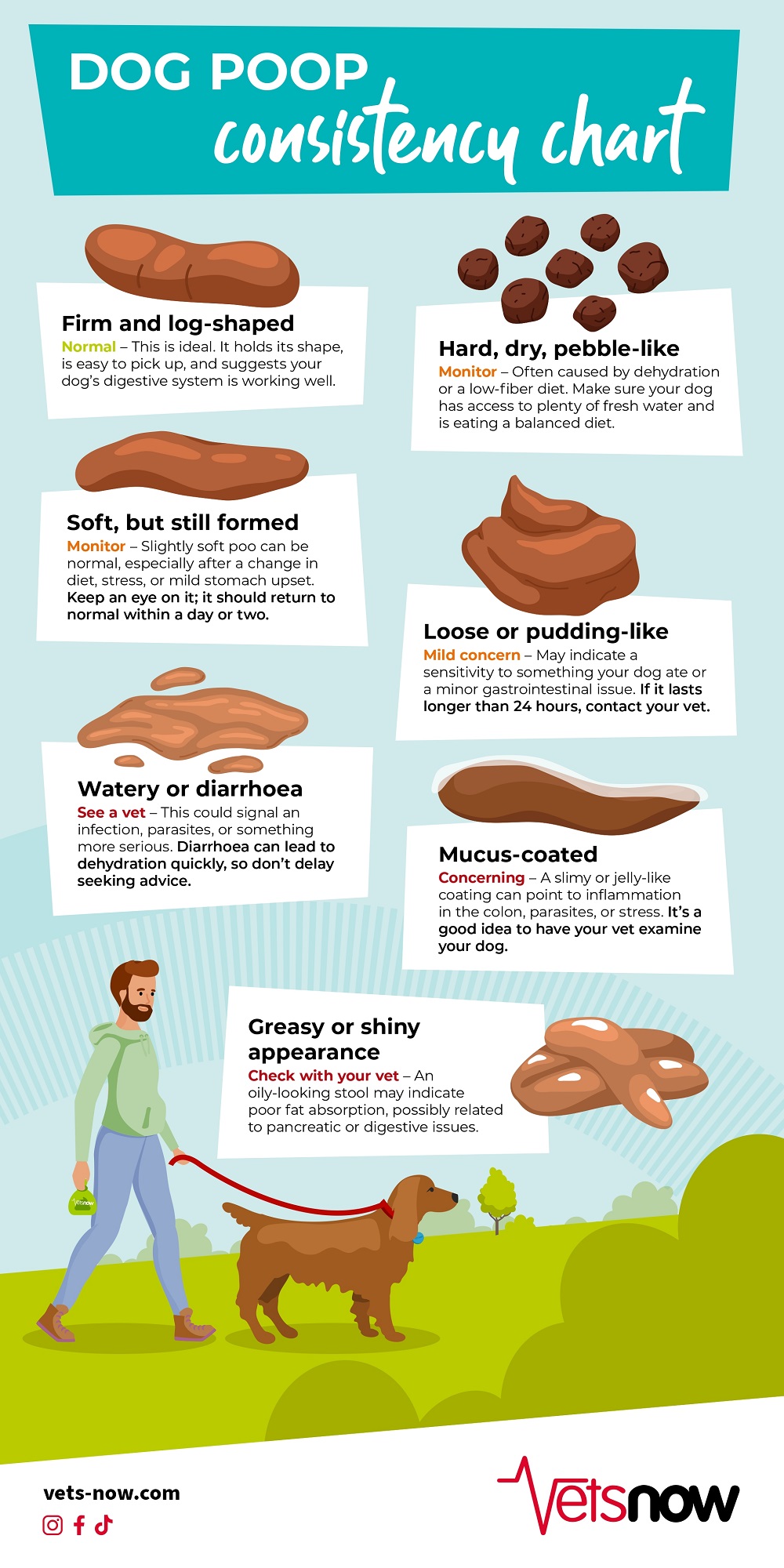
Before you try to help your dog, it is good to know what might be causing the problem. Diarrhoea means your dog’s poop is loose, watery, or happens more often than normal. This can happen for many reasons, such as:
- Eating spoiled food or garbage
- Sudden change in diet
- Stress or anxiety (like moving house or new pets)
- Food allergies or intolerances
- Bacterial or viral infections
- Parasites (like worms)
- Side effects from medicine
Many cases are mild and can be treated at home. But if diarrhoea lasts more than 24-48 hours, or your dog seems very tired, has blood in the stool, or vomits, you should call your vet.
5 Tips To Help Your Dog Have Perfect Poop
Every dog and situation is different. These five tips cover the most effective ways to stop diarrhoea and keep your dog’s gut healthy. Each tip is explained clearly so you can try them with confidence.
1. Temporary Fasting (give The Gut A Break)
Sometimes, the best way to help is to let your dog’s digestive system rest. Skipping food for 12-24 hours allows the gut to heal and get rid of whatever caused the diarrhoea. For healthy adult dogs, fasting is safe and often works quickly.
- Remove all food, but always leave fresh water. Dehydration is a risk with diarrhoea.
- Do not fast puppies under 6 months, small breeds, or sick dogs without talking to your vet.
- After fasting, feed a bland diet (see Tip 2).
Why fasting helps: Food keeps the gut busy. When your dog’s stomach is empty, the irritation can calm down. This is a simple way to break the cycle of diarrhoea.
Common mistake: Many owners keep feeding their dog normal meals, hoping things will get better. But this can keep the gut upset longer.
2. Bland Diet For Recovery
Once fasting is over, start with a bland diet. This means easy-to-digest foods with little fat or fiber. The goal is to let the gut heal without working too hard.
Best bland diet recipe:
- 2 parts cooked white rice (no seasoning)
- 1 part boiled chicken breast (no skin, no bones, chopped small)
Feed small meals every 3-4 hours. After 2-3 days, you can mix in your dog’s regular food, slowly increasing the old food each day.
Serving tip: For a 10 kg (22 lb) dog, give about 1/2 to 1 cup per meal, depending on appetite.
What not to use: Avoid fatty meats, dairy, or anything spicy. These can make diarrhoea worse.
Extra insight: Some dogs do better with plain boiled pumpkin (no sugar or spices) added to the bland diet. Pumpkin is gentle on the stomach and can help bulk up loose stools.
3. Keep Your Dog Hydrated
Dehydration is the biggest danger of diarrhoea. Dogs lose water and important minerals, called electrolytes, every time they poop. Keeping your dog hydrated is essential.
How to check for dehydration:
- Gently lift the skin on your dog’s neck. If it falls back slowly, your dog may need more fluids.
- Check gums. If they are dry or sticky, this is another sign.
What you can do:
- Offer fresh water at all times.
- If your dog refuses water, try ice cubes or add a small amount of low-sodium chicken broth (no onion or garlic).
- For mild cases, you can use a pet-safe electrolyte solution (from a pet store or your vet).
When to see the vet: If your dog cannot keep water down, seems weak, or will not drink at all, see your vet right away.
Practical tip: Place several water bowls in different rooms so your dog can drink easily.
Common mistake: Some owners add sugar or sports drinks for humans. These are not safe for dogs and can make things worse.
4. Add Probiotics For Gut Health
Probiotics are live “good” bacteria that help your dog’s gut work better. They can restore balance after diarrhoea, especially if the cause was stress, antibiotics, or a change in food.
Why use probiotics: After diarrhoea, the gut bacteria are often out of balance. Probiotics help bring back the good bacteria, which can firm up stools and reduce future stomach problems.
How to give them:
- Use a probiotic made for dogs (powder, chew, or capsule). Do not use human supplements unless your vet says it is safe.
- Follow the dose on the label.
Extra insight: Not all probiotics are the same. Look for ones with strains like Enterococcus faecium or Lactobacillus acidophilus. These are proven to help dogs.
What to expect: Probiotics work best if given daily for at least 7 days, even after diarrhoea stops.
Common mistake: Some owners stop giving probiotics too soon. Keeping up for a week or more helps the gut heal fully.
5. Slow Transition Back To Regular Food
Once your dog’s stools are firm and normal, do not rush back to their old food. A slow transition is important to prevent the diarrhoea from returning.
How to do it:
- Mix 25% regular food with 75% bland diet for 1-2 days.
- Then, mix 50% regular food with 50% bland diet for 1-2 days.
- Next, mix 75% regular food with 25% bland diet for 1-2 days.
- Return to 100% regular food.
Why it matters: A sudden change can shock your dog’s stomach and start diarrhoea again.
Table comparing transition speed:
| Transition Method | Chance of Diarrhoea Returning | Recommended For |
|---|---|---|
| Slow (5–7 days) | Low | Most dogs, sensitive stomachs |
| Fast (2–3 days) | Medium | Dogs with mild problems |
| Immediate (1 day) | High | Not recommended |
Extra tip: If your dog had diarrhoea after eating a certain food, do not give it again until your vet approves.

Credit: www.bellaandduke.com
When To See A Vet: Warning Signs
Most diarrhoea in dogs is not serious, but there are times when you need a vet’s help. Watch for these warning signs:
- Diarrhoea lasts more than 48 hours
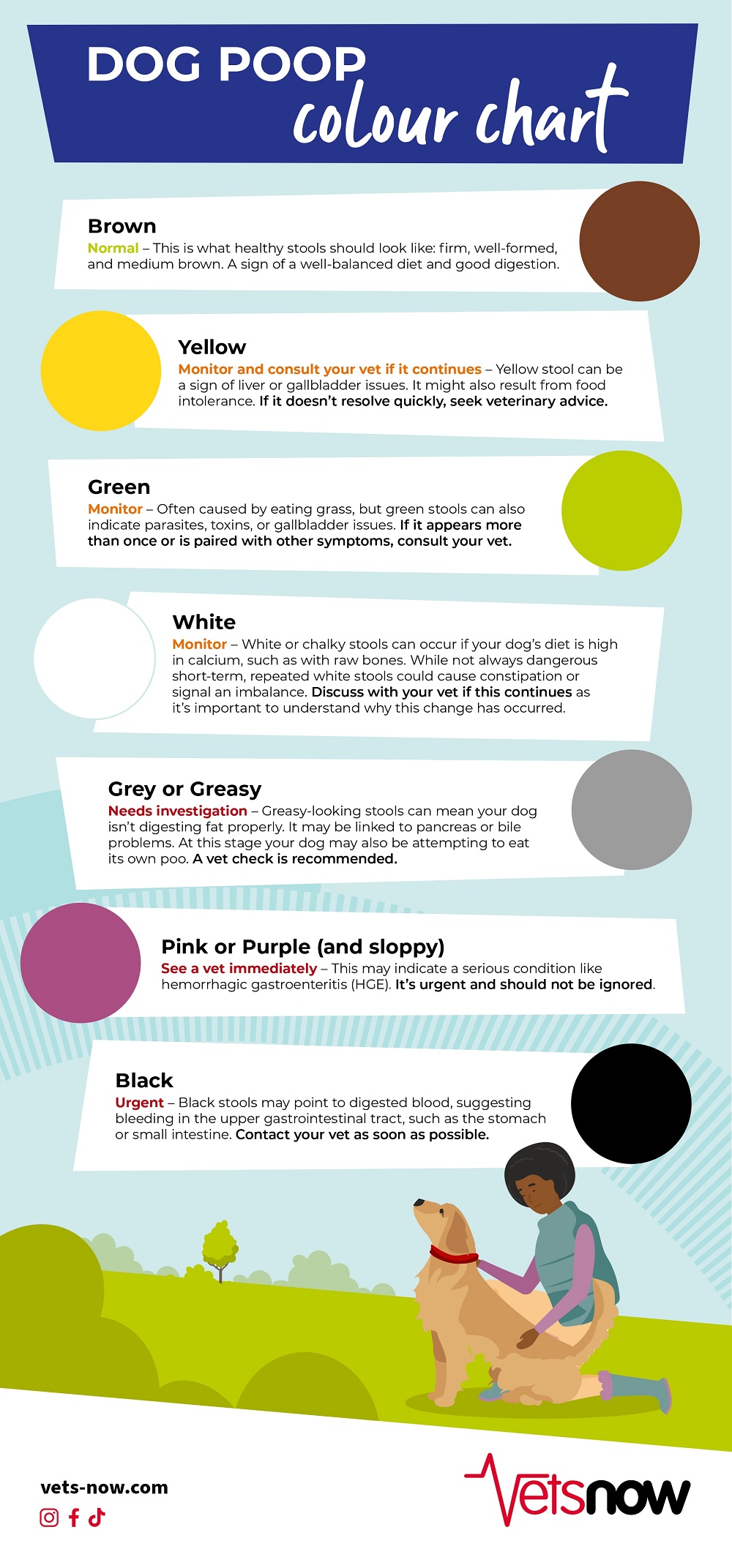
- Blood in stool (bright red or black)
- Repeated vomiting
- Loss of appetite for more than a day
- Weakness, shaking, or collapse
- Signs of pain (crying, restlessness)
- Puppies, older dogs, or dogs with other health problems
In these cases, home care is not enough. Your vet can check for infections, parasites, or other serious problems.
Preventing Diarrhoea: Healthy Habits
Helping your dog recover is important, but prevention is even better. Small changes in daily life can make a big difference.
- Feed a high-quality, balanced dog food
- Avoid sudden changes in brand or type
- Keep garbage and unsafe foods out of reach
- Deworm your dog regularly
- Limit stress and give plenty of exercise
- Keep vaccinations up to date
Table of common causes and how to prevent them:
| Common Cause | Prevention Tip |
|---|---|
| Eating garbage | Use pet-proof trash cans |
| Sudden diet change | Transition food over 5–7 days |
| Worms/parasites | Regular deworming, clean yard |
| Stress | Keep a routine, avoid sudden changes |
Credit: www.vets-now.com
Non-obvious Insights For Dog Owners
Many owners focus only on food when their dog has diarrhoea. But stress can play a big role. For example, moving house, loud noises, or new pets can upset your dog’s stomach. Calming routines and safe spaces help a lot.
Another thing many people miss: cleaning up quickly after accidents. Diarrhoea can spread germs. Clean with a pet-safe disinfectant to protect other pets and family members.
How Long Does Recovery Take?
Most dogs feel better within 2-3 days if you use the steps above. Puppies or older dogs may need more time. If things do not improve, or new symptoms appear, always check with your vet.
Credit: www.vets-now.com
Frequently Asked Questions
Why Does My Dog Have Diarrhoea After Eating New Food?
Dogs have sensitive stomachs. Sudden changes in diet can upset the balance of good bacteria and irritate the gut. Always change food slowly over a week to avoid stomach problems.
Can I Give My Dog Human Diarrhoea Medicine?
No. Human medicines like loperamide (Imodium) can be dangerous for dogs, especially some breeds. Only give medicine that your vet recommends.
How Much Water Should My Dog Drink With Diarrhoea?
A dog needs more water than usual with diarrhoea. Offer fresh water at all times. As a guide, a 10 kg (22 lb) dog needs at least 600-800 ml of water daily, but more if losing fluids.
Is Rice Good For Dogs With Diarrhoea?
Yes. White rice is gentle on the stomach and helps bind stool. Mix it with plain boiled chicken for a bland recovery diet.
Where Can I Find More Information On Dog Health?
For trusted advice, visit the ASPCA Dog Health page. They have practical guides on common problems.
Helping your dog with diarrhoea does not need to be stressful. With these five tips, you can support your pet’s recovery and keep them healthy for the future. If in doubt, always talk to your vet—they are your best partner in caring for your best friend.
