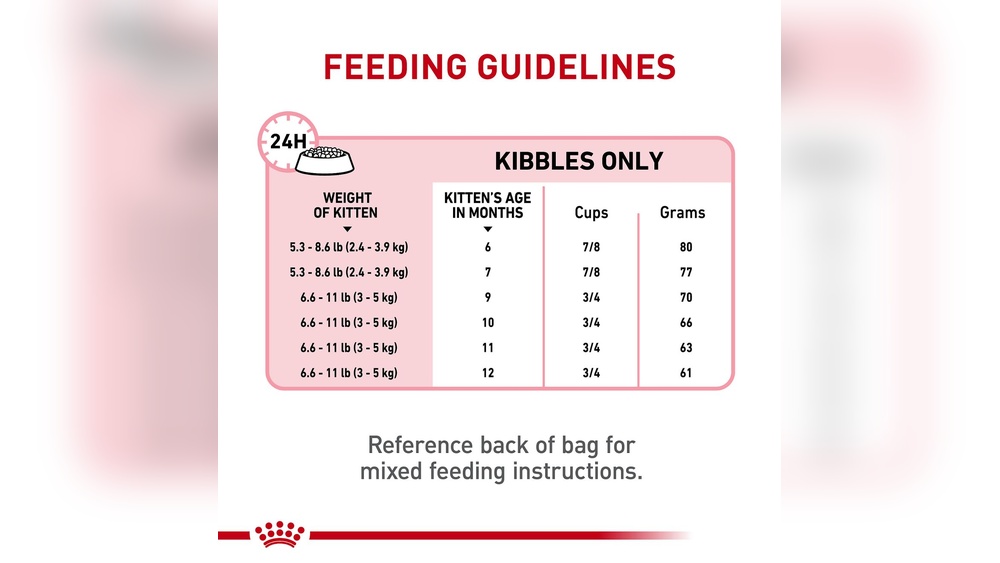
Welcoming a kitten into your home is exciting, but it comes with important responsibilities. Feeding a kitten properly is one of the most critical tasks for any cat owner. Getting the amount right isn’t always simple—kittens grow fast and their needs change quickly. Too little food can lead to poor growth and health problems, while too much can cause obesity and digestive upsets. This guide explains how much food a kitten should eat at every stage, how to adjust as they grow, and what mistakes to avoid. By the end, you’ll feel confident about giving your kitten the best start in life.
Why Kitten Nutrition Is Different
Kittens are not just “mini cats.” They need more energy, more protein, and a special balance of nutrients. Their bodies are building muscle, bone, and organs at a rapid rate. For the first year, kittens require up to two to three times more energy per pound than adult cats. This is why kitten food is richer and often comes in smaller, more frequent portions.
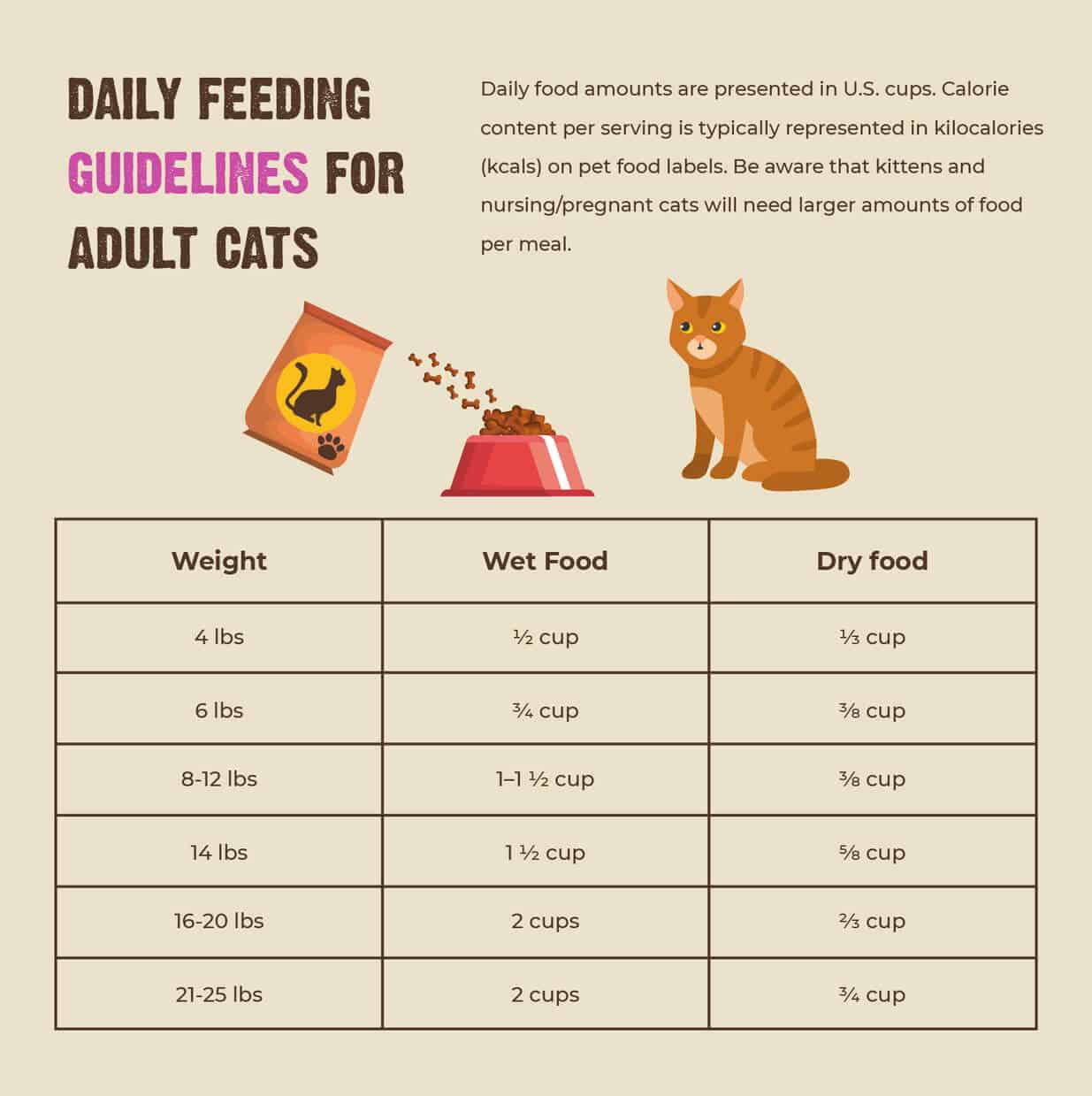
It’s important to remember that feeding guidelines for adult cats do not fit kittens. Using the wrong food or portion size can result in slow growth, weak bones, or a dull coat. Always check that the food says “complete and balanced for kittens” on the label.
How Much To Feed By Age
Kittens’ food needs change every few weeks. Here’s what you need to know at each stage.
Birth To 4 Weeks: Nursing
Newborn kittens should only drink their mother’s milk or a special kitten formula if the mother is not available. They need to feed every 2-3 hours, even at night. Solid food is not needed yet.
Key facts:
- Frequency: 8-12 times a day (small amounts)
- Amount: About 2 tablespoons of formula per 4 ounces body weight daily (if bottle-feeding)
- Tip: Never feed cow’s milk—it can cause diarrhea.
4 To 8 Weeks: Weaning
At around four weeks, kittens start to show interest in solid food. Begin offering a wet kitten food mixed with kitten formula to make a soft gruel. By 8 weeks, most kittens are fully weaned.
Key facts:
- Frequency: 4-6 meals a day
- Amount: 1-2 tablespoons per meal, increasing as appetite grows
- Tip: Gradually reduce formula as kittens eat more solid food.
2 To 4 Months: Rapid Growth
This stage is when kittens grow the fastest. They need lots of high-protein, energy-rich food. Meals should be small but frequent.
Typical daily amount:
- Wet food: 200-250 grams (7-9 oz) split into 4-5 meals
- Dry food (optional): 30-50 grams (1-1.8 oz) split into 4-5 meals
Tip: Always have fresh water available, especially if feeding dry food.
4 To 6 Months: Slower Growth
Growth continues but slows down a bit. Most kittens lose their “baby belly” and start to look more like adult cats.
Typical daily amount:
- Wet food: 250-300 grams (9-10.5 oz) in 3-4 meals
- Dry food: 50-60 grams (1.8-2.1 oz) in 3-4 meals
6 To 12 Months: Young Teenager
Kittens are nearly adults but still need extra nutrients. Some cats will start to self-regulate their eating, but most still need measured portions.
Typical daily amount:
- Wet food: 250-300 grams (9-10.5 oz) in 2-3 meals
- Dry food: 60-70 grams (2.1-2.5 oz) in 2-3 meals
Tip: By 12 months, most kittens can switch to adult cat food. Large breeds (like Maine Coons) may need kitten food longer.
Feeding Chart By Age And Weight
Here is a quick reference for daily food needs by age and body weight:
| Age | Weight | Wet Food | Dry Food | Meals per Day |
|---|---|---|---|---|
| 4 weeks | 400g (0.9 lb) | 40g (1.4 oz) | – | 4-6 |
| 8 weeks | 800g (1.8 lb) | 80g (2.8 oz) | 10g (0.35 oz) | 4-5 |
| 4 months | 2 kg (4.4 lb) | 200g (7 oz) | 30g (1 oz) | 4 |
| 6 months | 3 kg (6.6 lb) | 250g (9 oz) | 50g (1.8 oz) | 3 |
| 12 months | 4 kg (8.8 lb) | 250g (9 oz) | 60g (2.1 oz) | 2-3 |
Credit: www.osons-a-stmalo.com
Choosing The Right Kitten Food
Not all kitten foods are the same. Look for:
- Complete and balanced: The label should say it meets AAFCO standards for kitten growth.
- Protein content: At least 30% protein (dry matter).
- Fat content: At least 9% fat (dry matter).
- Easy to chew: Small kibbles or soft pâtés.
If you’re unsure, ask your vet for a recommendation or compare a few top brands.
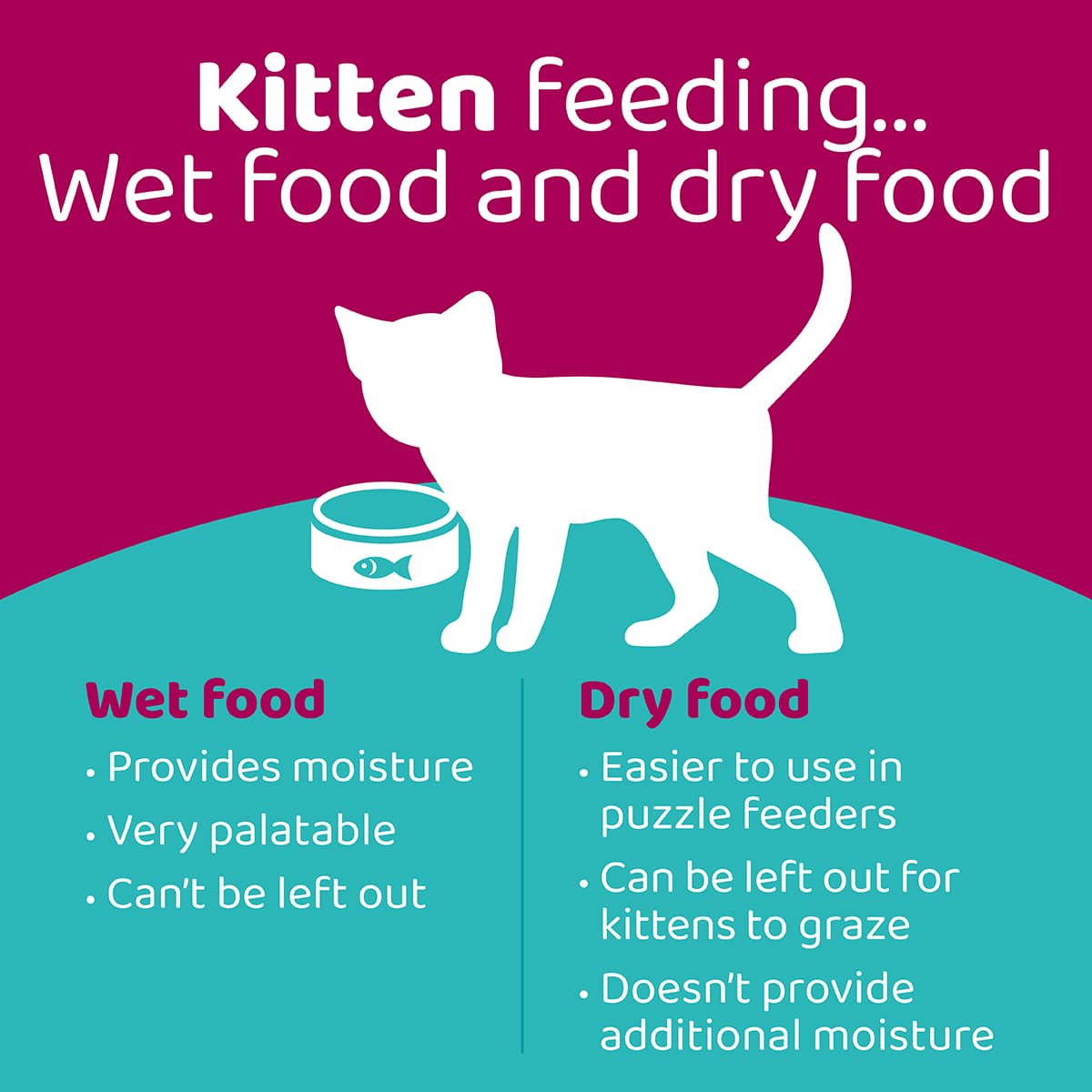
Wet Vs. Dry Food: What’s Better?
There’s no single right answer—both have pros and cons.
| Wet Food | Dry Food |
|---|---|
| High water content, good for hydration | Lower water content, risk of dehydration if no water is offered |
| Easy to chew for small mouths | Helps with dental cleaning |
| Often more appealing taste | Cheaper, easier to store |
| Can spoil if left out | Can be left out longer |
Tip: Many owners use a mix—wet food for meals, dry food for snacks.
How To Feed: Schedule And Routines
Kittens thrive on routine. Feed your kitten at the same times each day to help with digestion and behavior. Most kittens do best with:
- Small, frequent meals (at least 3-4 times a day)
- Clean bowls, washed daily
- Food at room temperature (not straight from the fridge)
- Water always available
If your schedule is busy, consider timed feeders for dry food. Never leave wet food out for more than 30-60 minutes to avoid spoilage.
Adjusting Amounts As Your Kitten Grows
You will need to adjust how much your kitten eats as they grow. Kittens have growth spurts, and their appetite can change quickly. Signs your kitten needs more food:
- Cleaning the bowl quickly and looking for more
- Not gaining weight or looking thin
- Increased activity and playfulness
On the other hand, if your kitten leaves food or starts to get a round belly, you may need to cut back slightly. Weigh your kitten weekly. Healthy kittens gain about 10-15 grams per day during the first 6 months.
Non-obvious insight: Growth can vary between kittens in the same litter. Always look at your individual kitten’s body shape, not just the guidelines.
Signs Your Kitten Is Eating The Right Amount
How do you know your kitten is getting enough—but not too much—food? Look for these indicators:
- Steady weight gain (not losing weight)
- Bright eyes and a shiny coat
- Playful, energetic behavior
- Firm, regular stools
If you see vomiting, diarrhea, or your kitten seems lethargic, adjust the food and consult your vet.
Common Feeding Mistakes To Avoid
Many new owners make the same errors. Here’s what to watch out for:
- Feeding adult cat food – It lacks nutrients kittens need.
- Overfeeding treats – Keep treats to less than 10% of daily calories.
- Irregular feeding times – Causes stress and stomach upset.
- Switching foods suddenly – Always change food gradually over 7-10 days.
- Free-feeding – Leaving food out all day can lead to obesity.
- Ignoring water – Kittens need water, especially with dry food.
- Using dog food or human food – These can be dangerous.
- Guessing portion size – Always measure food.
Non-obvious insight: Kittens can develop strong food preferences early. Give a variety of flavors and textures to prevent picky eating later.
Special Cases: Orphans, Underweight, And Large Breeds
Some kittens have different needs.
- Orphaned kittens: Only use kitten formula, never cow’s milk. Feed with a bottle every 2-3 hours at first.
- Underweight kittens: Feed more often, add a little extra food, and choose energy-rich brands.
- Large breeds (like Maine Coons): They may need kitten food for up to 18 months.
Always check with your vet if your kitten is not gaining weight or seems ill.
Credit: www.chewy.com
Transitioning To Adult Cat Food
Most kittens are ready for adult cat food at 12 months. Transition slowly:
- Mix 25% adult food with 75% kitten food for 2-3 days.
- Go to 50/50 for 2-3 days.
- Then 75% adult, 25% kitten for another few days.
- Switch to 100% adult food.
This helps prevent stomach upset and picky eating. For more details, you can visit the ASPCA’s official guide.
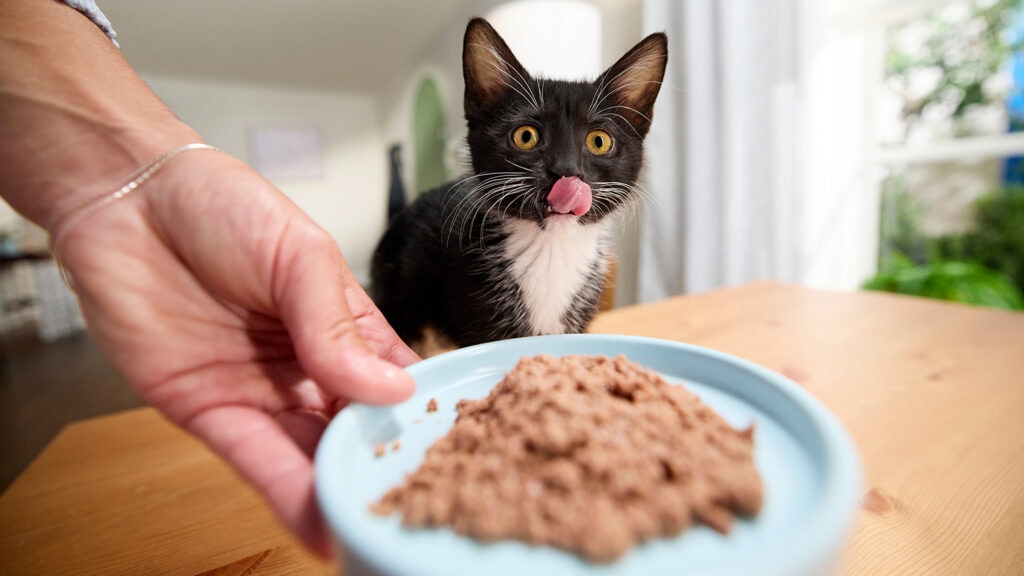
What If My Kitten Doesn’t Eat?
If your kitten refuses food for more than 24 hours, this can be serious. Try warming the food, offering a different flavor, or hand-feeding small amounts. If there is no improvement, call your vet. Young kittens cannot go without food for long—they risk low blood sugar and dehydration.
How Body Condition Affects Food Amounts
Some kittens are naturally slim, others chunkier. Use your hands to gently feel your kitten’s ribs—they should be easily felt but not sticking out. A healthy kitten has a small “waist” when you look from above.
If your kitten is getting chubby, reduce portions slightly and encourage more play. If too thin, increase food a little at a time.
Here’s a quick way to judge body condition:
| Body Condition | What to Do |
|---|---|
| Ribs stick out, thin tail base | Increase food, check for illness |
| Ribs easily felt, slight waist | Perfect, keep feeding as is |
| No waist, belly round | Cut back food, more play |
When To Ask Your Vet
Contact your vet if your kitten:
- Is not eating or drinking
- Vomits or has diarrhea for more than a day
- Is not gaining weight
- Seems weak or tired
Vets can check for parasites, illness, or suggest special diets.
Credit: dliras.us
Frequently Asked Questions
How Often Should I Feed My Kitten?
Kittens need to eat 3-5 small meals a day depending on their age. Young kittens (under 6 months) do best with more frequent meals. Older kittens (6-12 months) can eat 2-3 times daily.
Can I Give My Kitten Milk?
No, most kittens cannot digest cow’s milk after weaning. It often causes diarrhea. Only use special kitten formula if needed.
How Do I Know If My Kitten Is Overweight?
Check if you can feel your kitten’s ribs easily but not see them. If you can’t feel ribs or see a round belly, reduce the food slightly and increase play.
Should I Leave Food Out All Day?
It’s best to feed set meals. Free-feeding can cause overeating and obesity, especially with dry food.
What Is The Best Food For My Kitten?
Choose a kitten-formulated food with high protein and fat, labeled “complete and balanced.” Wet, dry, or a mix is fine—pick what your kitten likes and what fits your routine.
Giving your kitten the right amount of food at each stage is one of the best things you can do for their health and happiness. With the tips above, you’re well on your way to raising a strong, energetic, and healthy cat.
