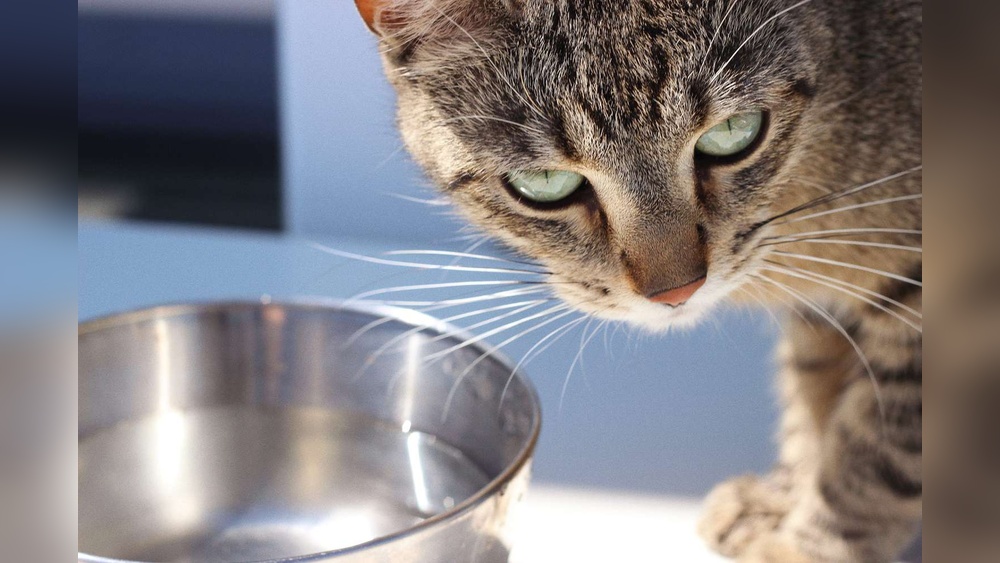
Cats are mysterious creatures. They often hide their needs, and sometimes their health issues. One common question among cat owners is: How long can cats go without water? Understanding this is more than curiosity—it can save lives. Water is essential for all living beings, and for cats, it’s even more critical because they don’t always show signs of thirst. If you’re a cat owner or planning to become one, knowing how long your cat can survive without water and how to spot trouble early is vital. Let’s explore what happens to cats without water, how long they can last, and what you should do if your cat isn’t drinking.
Why Water Is Vital For Cats
Water keeps your cat’s body working well. It helps with digestion, keeps joints moving, and regulates temperature. Cats evolved from desert animals, so they’re good at conserving water, but that doesn’t mean they can go without it for long.
If a cat doesn’t drink enough, it can lead to dehydration, which affects organs like the kidneys and liver. Dehydration can cause urinary issues, constipation, and even organ failure. Some cats get water mainly from their food, especially if they eat wet food, but all cats need access to fresh water.
Typical Time Cats Can Go Without Water
Most healthy cats can survive about 3 days (72 hours) without water. Some may last a little longer, but after 24 hours, negative effects begin. After 48 hours, the risk of serious health problems rises sharply. Going without water for more than 3 days is dangerous and often fatal.
Here’s a quick overview:
| Time Without Water | Possible Effects |
|---|---|
| 12 hours | Mild dehydration begins |
| 24 hours | Lethargy, dry mouth, less urination |
| 48 hours | Severe dehydration, risk of organ damage |
| 72 hours | Critical condition, likely fatal |
This timeline isn’t exact for every cat. Age, health, and environment change how long a cat can last. Kittens and elderly cats are at higher risk and may suffer sooner.
Factors That Affect Cat Survival Without Water
Age And Health
Young kittens and older cats lose water faster. Kittens have smaller bodies and higher metabolism, so dehydration hits them quickly. Senior cats often have weaker kidneys, making them more vulnerable.
Diet
Cats that eat mostly dry food need to drink more water. Wet food contains about 70-80% water, helping cats stay hydrated. If a cat eats only dry food, it must drink more to stay healthy.
| Food Type | Water Content (%) |
|---|---|
| Wet food | 70-80% |
| Dry food | 10-12% |
Activity And Environment
Active cats or those living in warm places lose water faster. If your cat spends time outside or in a hot room, it needs more water to stay cool.
Health Conditions
Some illnesses, like diabetes or kidney disease, make cats lose water quickly. Cats with these issues need water more often and may suffer from dehydration sooner.
Signs Of Dehydration In Cats
Cats don’t always show clear signs when they’re dehydrated. Still, you can spot trouble by watching for these symptoms:
- Lethargy: Your cat is tired, moves less, or seems weak.
- Dry gums and mouth: Check their mouth—if it feels sticky or dry, it’s a warning sign.
- Sunken eyes: Eyes may look hollow or dull.
- Reduced skin elasticity: Gently pull the skin on the back of their neck. If it stays up instead of snapping back, dehydration is likely.
- Less urination: Fewer or smaller clumps in the litter box.
- Panting: Unlike dogs, cats rarely pant. If your cat pants, it’s serious.
- Loss of appetite: Dehydrated cats often stop eating.
- Fast heartbeat: Dehydration can cause the heart to beat faster.
Most beginners miss checking the skin elasticity and urine output—two very useful indicators. These signs are subtle but can warn you before things get worse.
What Happens If Cats Don’t Get Water
Without water, a cat’s body struggles. Here’s how dehydration affects them:
Organ Damage
Water helps organs like the kidneys and liver filter waste. Without enough water, toxins build up, damaging these organs. Kidney failure is a common result of severe dehydration.
Blood Thickening
Blood becomes thicker and harder to move. This stresses the heart and can cause circulation problems.
Urinary Issues
Cats may develop urinary tract infections or crystals because they can’t flush waste out.
Digestive Problems
Lack of water causes constipation. Cats may strain in the litter box or avoid it altogether.
Death
If a cat goes too long without water, organs shut down. This leads to coma and eventually death. It’s not a peaceful process—cats suffer greatly.
How Much Water Should Cats Drink Daily?
A healthy cat needs about 50-60 ml of water per kilogram of body weight each day. For a typical 4 kg (9 lb) cat, that’s about 200-240 ml daily.
This includes water from food. Cats eating wet food may drink less, but those on dry food must drink more.
| Cat Weight (kg) | Daily Water Need (ml) |
|---|---|
| 2 | 100-120 |
| 4 | 200-240 |
| 6 | 300-360 |
This is a guideline. Some cats drink more, some less. If your cat is very active or has health issues, it may need extra water.
Credit: www.thedodo.com
How To Encourage Cats To Drink More Water
Cats are picky. They often ignore standing water. Here are practical ways to help your cat drink:
- Fresh water: Change water daily. Cats dislike stale water.
- Water bowls: Use wide, shallow bowls. Narrow bowls touch whiskers, making cats uncomfortable.
- Multiple bowls: Place water in different spots. Cats like options.
- Water fountains: Many cats love running water. Fountains keep water fresh and attract attention.
- Wet food: Add more wet food to their diet if possible.
- Ice cubes: Drop a few ice cubes in the bowl, especially in hot weather.
- Flavor: Add a little tuna water or chicken broth (no salt) for flavor.
- Avoid plastic bowls: Use glass, ceramic, or stainless steel to prevent bad taste.
- Location matters: Keep water away from food and litter boxes. Cats prefer separation.
Many new owners miss the benefit of multiple bowls and water fountains. These can make a big difference, especially for picky cats.
What To Do If Your Cat Isn’t Drinking
If you notice your cat hasn’t drunk water for 24 hours, act fast:
- Check for signs of dehydration.
- Offer fresh, flavored water.
- Try wet food or broths.
- Move the water bowl to a quiet spot.
- Clean the bowl thoroughly.
If your cat refuses water for more than a day, or shows dehydration signs, contact your vet. Dehydration is an emergency for cats.

Credit: www.greatpetcare.com
Emergency Steps For Dehydrated Cats
If your cat is dehydrated, don’t wait. Here’s what you should do:
- Vet visit: Take your cat to the vet immediately.
- Do not force water: Never force water into your cat’s mouth. It can cause choking.
- Do not use milk: Milk isn’t a substitute for water and can cause stomach upset.
- Monitor closely: Watch for panting, lethargy, and sunken eyes.
Vets may give IV fluids or special solutions to rehydrate your cat quickly. Home remedies are rarely effective once dehydration is severe.
Myths About Cat Water Needs
Some people think cats can survive without water because they evolved in deserts. While wild cats get some water from prey, domestic cats rely on clean water sources. Another myth is that milk is good for cats. In reality, most cats are lactose intolerant, and milk can cause diarrhea and dehydration.
Preventing Dehydration In Cats
Prevention is easier than treatment. Here’s how to keep your cat hydrated:
- Provide fresh water every day.
- Use appealing bowls and fountains.
- Offer wet food regularly.
- Watch for changes in drinking habits.
- Keep water bowls clean and in quiet places.
When To Seek Veterinary Help
You should see a vet if:
- Your cat hasn’t drunk water for 24 hours.
- Signs of dehydration appear.
- Your cat is vomiting or has diarrhea.
- Your cat is elderly or has health problems.
Early intervention saves lives. Dehydration progresses fast in cats, especially in vulnerable ones.
Credit: www.youtube.com
Frequently Asked Questions
How Long Can Cats Survive Without Water?
Most cats can survive about 3 days without water, but negative effects start after just 24 hours. After 48 hours, severe dehydration and organ damage are likely. After 72 hours, the situation is critical and often fatal.
What Are The Main Signs Of Dehydration In Cats?
Common signs include lethargy, dry gums, sunken eyes, reduced skin elasticity, and less urination. Panting and loss of appetite are also important indicators.
Can Cats Get Enough Water From Food Alone?
Cats eating wet food get much of their daily water from food, but they still need access to fresh water. Cats on dry food need to drink more water.
Is Milk A Good Substitute For Water For Cats?
No, milk is not a substitute. Most cats are lactose intolerant and milk can cause stomach problems. Always offer fresh water instead.
What Should I Do If My Cat Stops Drinking Water?
First, offer fresh water and wet food. Try moving the bowl or adding flavor. If your cat still refuses water or shows signs of dehydration, visit a vet immediately.
Cats may not show their needs openly, but water is as vital as food. By watching your cat and knowing the signs of dehydration, you can help prevent serious health issues. If you’re ever unsure, always ask your vet. For more detailed information about feline hydration, you can check resources like Wikipedia.
Understanding how long cats can go without water is important for every cat owner. With the right knowledge, you’ll keep your feline friend safe, healthy, and happy for years to come.
