
Finding a tick on your beloved pet can be unsettling. These tiny parasites are not just a nuisance—they can carry diseases and cause discomfort or health problems for your cat or dog. If you live in an area where ticks are common, knowing how to remove a tick from your pet safely is an important part of responsible pet care. Many pet owners worry about hurting their animal or leaving part of the tick behind, but with the right information, you can act quickly and confidently.
This guide will walk you through everything you need to know, from spotting ticks and removing them safely, to cleaning the wound, watching for symptoms, and preventing future bites. You’ll also learn what mistakes to avoid, when to call your vet, and get answers to the most common questions.
Removing a tick isn’t complicated, but doing it the wrong way can cause problems. Let’s dive in so you can protect your furry friend.
Why Tick Removal Is Important
Ticks are not just annoying—they can transmit dangerous diseases such as Lyme disease, ehrlichiosis, and babesiosis. These illnesses can affect both pets and humans, so removing ticks promptly helps reduce the risk. Even if a tick does not carry disease, it can cause skin irritation, infection, or even anemia if your pet gets bitten by many ticks. Some pets are allergic to tick saliva, which can lead to swelling or redness.
A tick’s mouth parts are designed to latch tightly into your pet’s skin. If you leave the head or mouthparts behind when removing a tick, the area can become infected or inflamed. That’s why proper technique matters—rushing or using the wrong tools may do more harm than good.
How To Check Your Pet For Ticks
Ticks are small, but you can often feel or see them if you check your pet regularly. Dogs and cats with thick or long fur may hide ticks more easily, so be thorough. The most common places for ticks to attach include:
- Around the ears and neck
- Between the toes
- Under the collar
- In the armpits
- Around the tail and groin
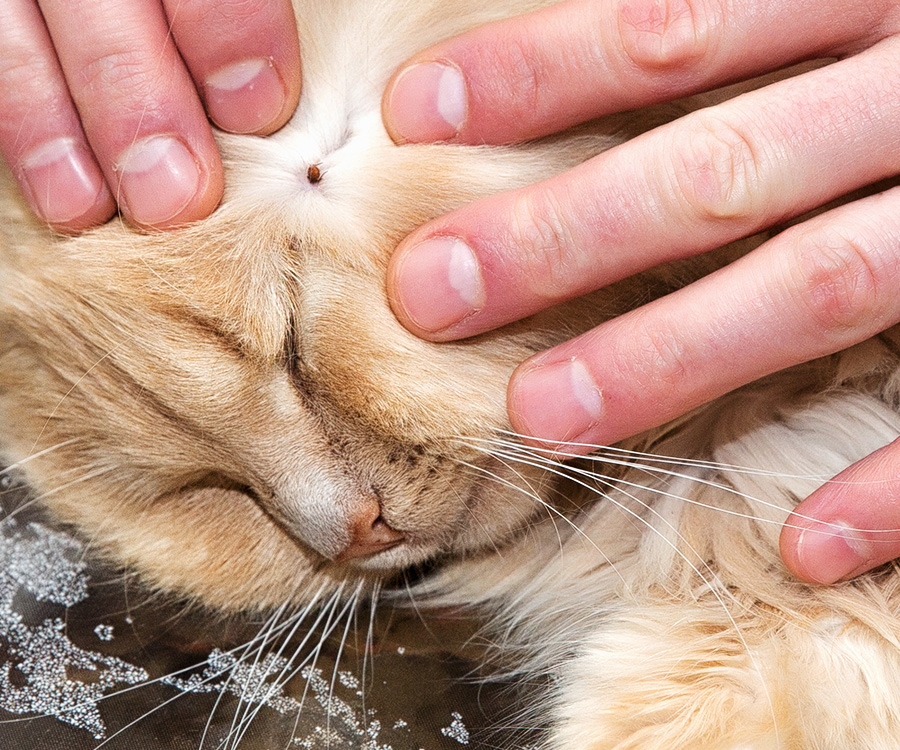
Run your hands slowly over your pet’s entire body, feeling for any unusual bumps. Ticks can range in size from a pinhead to a small grape, depending on how much blood they have consumed. Sometimes, they look like small, dark, or gray lumps attached to the skin.
What A Tick Looks Like
Ticks are oval-shaped and have eight legs. When not feeding, they are flat and hard; after feeding, they become swollen and rounded. Their color can range from brown to gray. If you see something that looks like a skin tag or wart, inspect it closely—it could be a tick.
Credit: www.hartz.com
Preparing To Remove A Tick
Before starting, gather these items:
- Fine-tipped tweezers (not your fingers)
- Gloves (to avoid contact with tick fluids)
- Antiseptic solution (for cleaning the bite)
- Small container with lid (for the tick)
- Paper towels
Wearing gloves is important because tick saliva or body fluids can carry bacteria or viruses. Never attempt to remove a tick with your bare hands, nail polish, petroleum jelly, or a hot match—these methods are not effective and may make things worse.
| Tool | Why Use It | Common Mistake |
|---|---|---|
| Fine-tipped tweezers | Precise grip, less risk of squeezing tick | Using blunt tweezers or fingers |
| Gloves | Protects you from pathogens | Touching tick with bare hands |
| Antiseptic | Keeps wound clean | Skipping wound cleaning |
Step-by-step Tick Removal Guide
Follow these steps for safe and effective tick removal:
- Keep your pet calm. Speak softly and have someone help hold your pet if needed. Avoid sudden movements.
- Part the fur. Expose the tick by gently pulling back the fur around the bite.
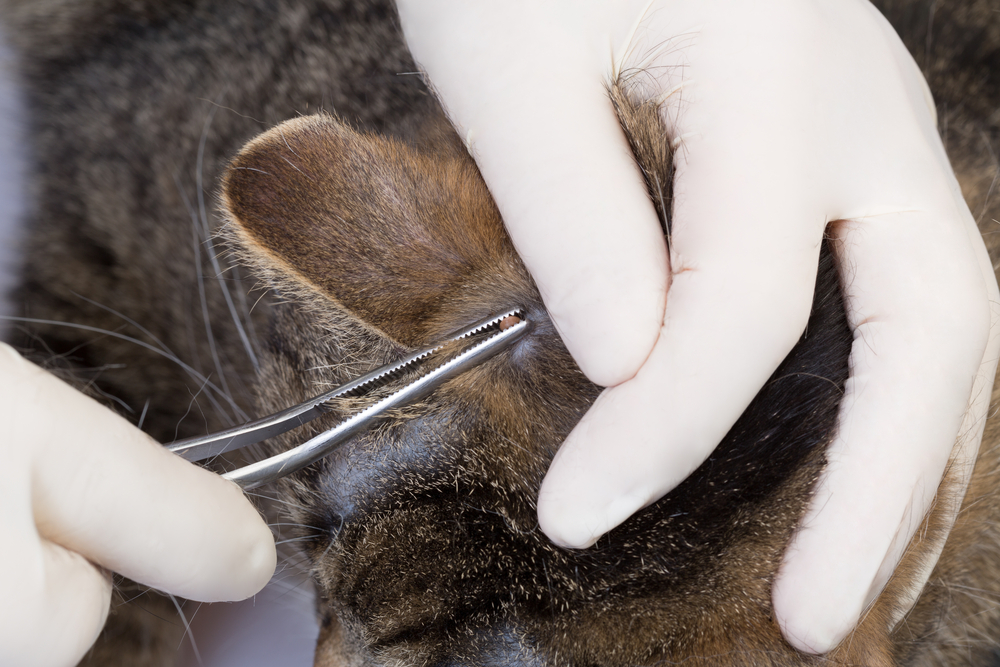
- Grip the tick. With fine-tipped tweezers, grasp the tick as close to your pet’s skin as possible. Try to grab the head, not the body.
- Pull straight out. Using steady, even pressure, pull the tick out slowly and straight—do not twist, jerk, or crush it. This helps remove the mouthparts cleanly.
- Check the site. After removal, look for any tick parts left in the skin. If you see black dots, parts may remain. Do not dig with the tweezers; this can hurt your pet. Consult a vet if unsure.
- Clean the bite. Use antiseptic solution or soap and water to clean the area thoroughly.
- Dispose of the tick. Place the tick in a sealed container. You may wish to keep it for identification in case your pet develops symptoms later.
- Wash your hands. Even if you wore gloves, wash your hands well with soap and water.
What Not To Do
- Do not burn the tick, apply petroleum jelly, or use alcohol before removal—these methods do not help and can cause the tick to burrow deeper.
- Do not crush the tick with your fingers; this can spread bacteria.
- Do not panic. If you leave a small piece behind, monitor the area and consult your veterinarian.
What To Do After Removal
After the tick is gone, your pet may show mild redness or swelling. This is usually normal and should fade in a day or two. However, you need to watch for signs of infection or illness.
Monitor Your Pet
Look for these warning signs over the next few weeks:
- Lethargy (acting tired or weak)
- Loss of appetite
- Swelling or pus at the bite site
- Lameness or joint pain
- Fever
If you notice any of these, call your veterinarian. Tick-borne diseases can take days or weeks to show symptoms, so early attention is best.
Should You Save The Tick?
Saving the tick can help your vet identify the species or test for disease if your pet gets sick later. Place the tick in a container with rubbing alcohol and label it with the date and where on your pet it was found.
How To Prevent Ticks On Your Pet
Prevention is more effective than treatment. Here are proven ways to protect your pet:
- Use veterinarian-approved tick preventatives. These come as spot-on liquids, collars, oral tablets, or sprays. Ask your vet what’s best for your pet’s size and lifestyle.
- Check your pet daily. Especially after walks in grassy or wooded areas.
- Keep your yard tidy. Mow grass short, remove leaf piles, and trim shrubs to make your yard less tick-friendly.
- Avoid high-risk areas. Stay clear of tall grass and bushy trails during peak tick seasons (spring and summer).
- Wash bedding regularly. Clean your pet’s bed and blankets often.
| Prevention Method | Effectiveness | How Often |
|---|---|---|
| Spot-on treatment | High | Monthly |
| Tick collar | Moderate-High | Replace every 6-8 months |
| Oral medication | High | Monthly or quarterly |
| Yard maintenance | Moderate | Weekly |
Common Mistakes In Tick Prevention
Many pet owners forget to reapply preventatives on time. Mark your calendar or set reminders. Also, not all treatments are safe for every animal—never use dog products on cats, as some ingredients can be toxic.
When To Call Your Veterinarian
Most tick bites are easy to handle at home. However, call your vet if:
- The tick is deeply embedded, and you can’t remove it fully.
- The bite site becomes red, swollen, or oozes pus.
- Your pet seems sick (fever, limping, loss of appetite).
- You are unsure if the tick was removed properly.
Some ticks carry serious diseases that need quick treatment. It’s always better to ask your vet if you’re worried or something doesn’t look right.
Non-obvious Insights And Tips
- Check inside the mouth and ears. Many owners miss ticks hiding deep in the ear canal or even inside the mouth. Use a flashlight and look closely.
- Ticks can survive in winter. Don’t stop prevention in cold months. Some tick species stay active even in freezing weather.
- Tick removal tools exist. In addition to tweezers, you can buy specialized tick removal tools from pet stores. These may be easier to use, especially for small pets or hard-to-reach areas.
- Double-check after walks. Ticks can take several hours to attach, so a quick brush-down after outdoor activities may remove ticks before they bite.

Credit: lagrangevethospital.com
Comparing Tick Removal Tools
Not all tools are created equal. Here’s a quick look at the most common choices:
| Tool Type | Pros | Cons | Best For |
|---|---|---|---|
| Fine-tipped tweezers | Precise, cheap, easy to find | Can squeeze tick if not careful | Most pet owners |
| Tick removal hook | Easy to slide under tick, less squeezing | Requires learning curve | Small pets, beginners |
| Tick scoop | Good for large, engorged ticks | Less precise for small ticks | Dogs with thick fur |
Frequently Asked Questions
How Soon Should I Remove A Tick From My Pet?
Remove a tick as soon as you find it. The longer a tick stays attached, the higher the risk of disease transmission. Research shows that removing a tick within 24 hours greatly reduces the chance of your pet getting sick.
Can I Use My Fingers To Pull Out A Tick?
No, do not use your fingers. This can crush the tick and increase the risk of disease. Always use fine-tipped tweezers or a tick removal tool for safety.
What If I Leave Part Of The Tick In My Pet?
If a small part (like the mouth) stays in the skin, do not dig. Keep the area clean and watch for infection. Most of the time, your pet’s body will push it out naturally. If you see swelling or pus, contact your vet.
Are Ticks Dangerous For Humans Too?
Yes. Ticks can spread diseases like Lyme disease to humans as well. Always wash your hands after handling ticks, and keep your pet’s tick prevention up to date to protect your family. For more on ticks and tick-borne diseases, visit the CDC’s Tick Information.
How Can I Keep Ticks Out Of My Home?
Vacuum carpets and furniture often, wash your pet’s bedding in hot water, and check pets before letting them inside. Treat your yard and keep it clean to reduce tick habitat.
Caring for your pet includes protecting them from pests like ticks. With proper knowledge and a few careful steps, you can safely remove ticks and keep your furry companion healthy and happy. If in doubt, your veterinarian is always your best resource.
Stay alert, act quickly, and your pet will thank you for it.
Credit: www.adamspetcare.com
