Every dog owner wants their furry friend to be healthy and happy. One of the most basic but often overlooked needs is proper hydration. Water is essential for your dog’s organs, digestion, temperature control, and energy. But how much water should your dog drink every day? Is it the same for all breeds and sizes? When should you worry, and what signs show your dog might not be drinking enough? This guide will help you understand everything about your dog’s water needs, from daily amounts to special situations, and give you practical advice to keep your pet safe and well.
Why Water Is So Important For Dogs
Water is the main part of your dog’s body—about 60% to 70% of their total weight is water. It helps move nutrients, get rid of waste, and keep the body cool. Without enough water, dogs can quickly get dehydrated, which can lead to serious health problems. Unlike food, which dogs can go without for a few days, a lack of water can cause dangerous effects in less than 24 hours, especially in puppies, older dogs, or sick pets.
How Much Water Should Your Dog Drink Daily?
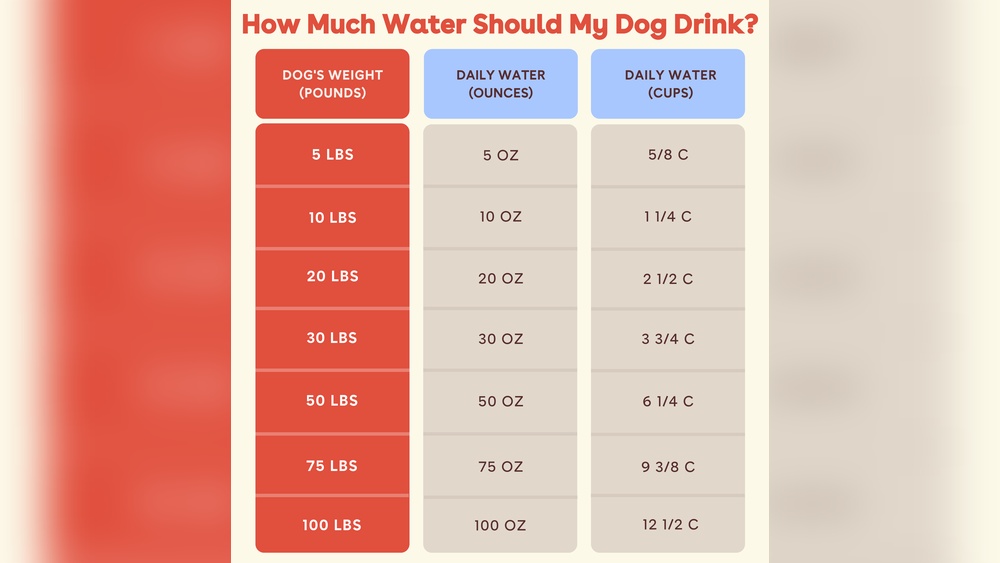
The general rule is that a healthy dog should drink about 1 ounce (30 ml) of water per pound (0.45 kg) of body weight each day. For example, a 30-pound (13.6 kg) dog needs about 30 ounces (roughly 0.9 liters) of water daily.
But this is just a starting point. Several factors can change how much your dog needs, including age, activity level, weather, and food type. Let’s look at a simple table for different dog sizes:
| Dog Weight | Daily Water Needed (approx.) |
|---|---|
| 10 lbs (4.5 kg) | 10 oz (300 ml) |
| 25 lbs (11.3 kg) | 25 oz (750 ml) |
| 50 lbs (22.7 kg) | 50 oz (1.5 liters) |
| 80 lbs (36 kg) | 80 oz (2.4 liters) |
This helps you get a rough idea, but remember, every dog is unique.
Factors That Affect Your Dog’s Water Needs
1. Dog Size And Breed
Larger dogs need more water than smaller breeds. However, some small breeds have fast metabolisms and might drink a bit more per pound. Breeds with thick coats or flat faces (like Bulldogs) can also overheat quickly and may need extra water, especially in warm weather.
2. Age
Puppies need more water relative to their size because they are growing fast and can dehydrate easily. Older dogs, especially those with kidney or urinary issues, might also require more water.
3. Activity Level
Active dogs that run, play, or exercise daily lose more water through panting and need frequent access to fresh water. Working dogs, like those used for herding or hunting, may need up to twice the normal amount.
4. Diet Type
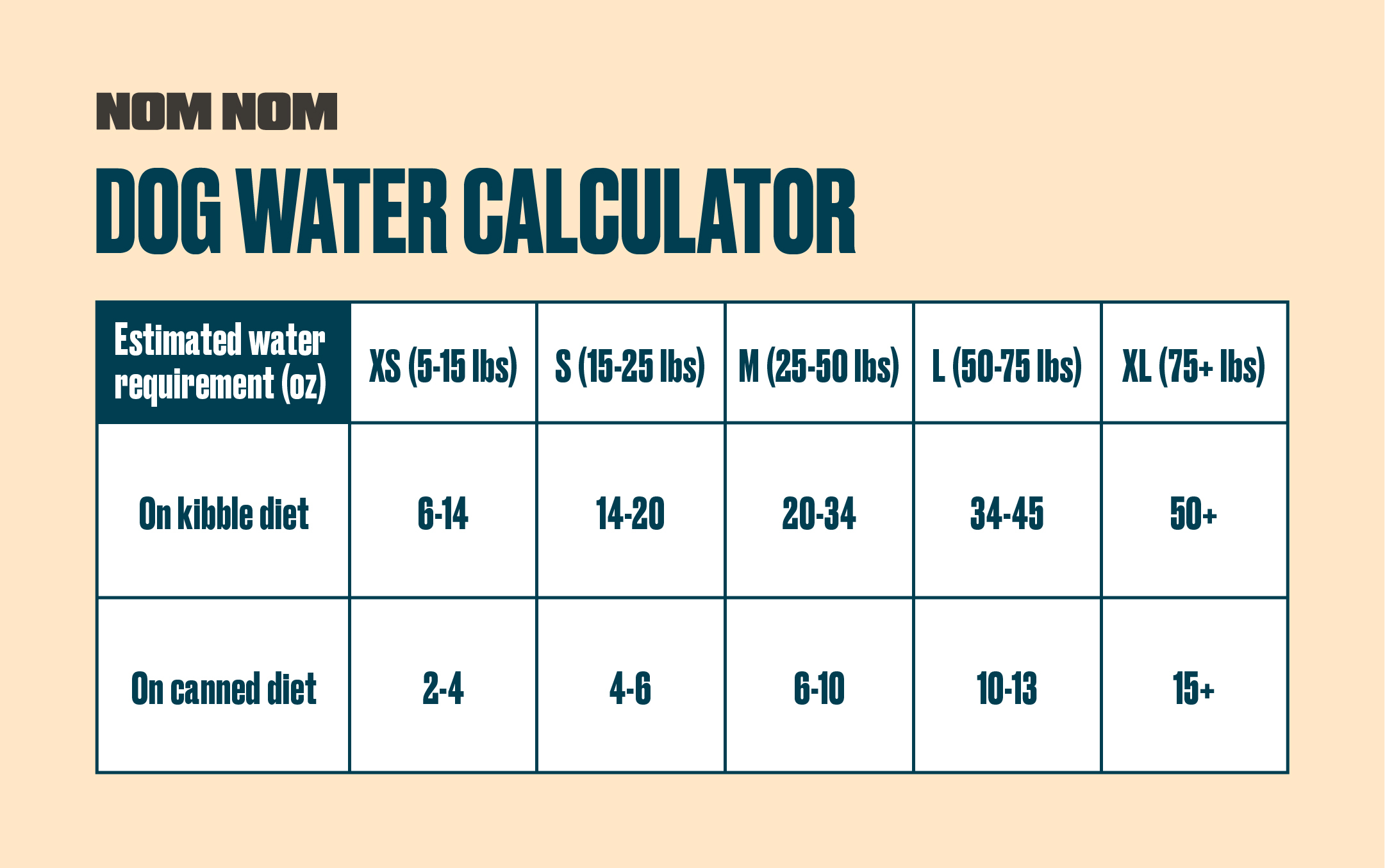
Dogs eating dry kibble require more water than those on wet or canned food, which already contains about 70-80% water.
| Food Type | Water Content | Extra Water Needed |
|---|---|---|
| Dry Kibble | 8-12% | Yes |
| Wet/Canned | 70-80% | Less |
| Raw Diet | 60-70% | Less |
If your dog eats mostly dry food, always ensure water is available at all times.
5. Weather And Environment
Hot or humid weather makes dogs pant more, which increases water loss. Dogs in heated homes during winter also need more water because dry air causes faster evaporation from the skin and lungs.
6. Health Conditions
Dogs with certain health problems—like diabetes, kidney disease, or diarrhea—may need much more water or, sometimes, less. Some medications, such as diuretics or steroids, can also change their water needs.
7. Pregnancy And Nursing
Pregnant or nursing mothers need much more water to support their puppies. If your dog is expecting or feeding puppies, check her water bowl often.
How To Tell If Your Dog Is Drinking Enough
Sometimes, it’s hard to know if your dog is getting enough water. Here are some signs to watch for:
- Normal skin elasticity: If you gently pinch your dog’s skin, it should quickly return to normal.
- Moist gums: Healthy gums should be wet and slippery, not dry or sticky.
- Regular urination: Your dog should pee several times a day, and the urine should be light yellow.
- Good energy levels: Dogs who drink enough water stay active and alert.
If you notice your dog’s skin staying “tented,” dry gums, dark yellow urine, or low energy, these could be early signs of dehydration.

Credit: www.tartarshield.com
Signs Your Dog Is Dehydrated
Dehydration can quickly become dangerous. Here are some clear warning signs:
- Loss of skin elasticity: Skin stays in a pinch or takes time to fall back.
- Dry nose and gums: The mouth feels sticky.
- Sunken eyes: Eyes look dull or “set in.”
- Lethargy: Your dog is tired, weak, or uninterested in normal activities.
- Panting or rapid breathing: This can show severe dehydration.
- Loss of appetite or vomiting: Not drinking or eating for more than a day is a red flag.
- Thick saliva: Saliva becomes ropey or thicker than normal.
If you see these signs, offer water in small amounts and call your veterinarian right away.
Can A Dog Drink Too Much Water?
Yes, though rare, some dogs can drink too much water (a condition called water intoxication or hyponatremia). This usually happens after swimming or playing with water hoses. Symptoms include bloating, vomiting, loss of balance, confusion, and in severe cases, seizures.
Most dogs self-regulate their water intake, but if you notice your dog drinking constantly and peeing very frequently, see your vet—there could be an underlying health issue like diabetes or Cushing’s disease.
Credit: www.nomnomnow.com
How To Encourage Your Dog To Drink More Water
Some dogs are picky or simply forget to drink, especially if they are older or sick. Here are some ways to help:
- Keep water bowls clean and refill them with fresh water several times daily.
- Use multiple bowls around the house, especially in different rooms or floors.
- Try different bowl types: Some dogs prefer ceramic, glass, or stainless steel over plastic.
- Add a splash of low-sodium broth or tuna water to the bowl for extra flavor.
- Use a pet water fountain: Running water can be more tempting for some dogs.
- Mix water into dry food to add extra moisture.
- Offer ice cubes as a treat, especially in summer.
Remember, sudden changes in drinking habits—either much more or less—are often a sign to call your vet.
How To Measure Your Dog’s Water Intake
If your dog is sick, recovering from surgery, or has a medical condition, your vet might ask you to measure how much water they drink. Here’s a simple way:
- In the morning, fill your dog’s bowl with a measured amount of water (for example, 1 liter).
- At the end of the day, pour out and measure what’s left. Subtract this from the starting amount.
- If you have more than one dog, keep them separated during water breaks for more accurate tracking.
This method helps you spot changes early and gives your vet helpful information.
Special Situations: Puppies, Seniors, And Sick Dogs
Puppies
Puppies need to drink small amounts often. They are at higher risk for dehydration, especially during house training when you might limit access to water. Always offer water after play, eating, and potty breaks.
Senior Dogs
Older dogs may have kidney issues or less thirst drive. They might forget to drink, especially if they have cognitive decline. Place bowls in easy-to-reach spots and watch for any changes.
Sick Or Recovering Dogs
Dogs with vomiting, diarrhea, or fever lose water quickly. Encourage drinking, and call your vet if your dog refuses water for more than a few hours.
Common Myths About Dogs And Water
Many people believe some common myths about dogs’ water needs. Let’s clear up a few:
- “Dogs only need water when they are hot.”
False—dogs need water all day, not just after exercise or in summer.
- “Wet food means no need for extra water.”
Even with wet food, dogs should always have fresh water available.
- “It’s safe to limit water for house training.”
This can be dangerous. Instead, manage schedule and take your puppy out often.
- “Dogs know how much to drink.”
While most do, illness, stress, or old age can affect their sense of thirst.
When To Contact A Vet About Water Intake
You should call your veterinarian if:
- Your dog drinks a lot more or less than usual for more than a day.
- You see signs of dehydration or water intoxication.
- Your dog refuses water for more than 12 hours.
- There’s vomiting, diarrhea, or other sudden health changes.
Quick action is important. Problems with drinking can signal serious diseases that need early treatment.
Useful Tips For Daily Hydration
- Always keep water bowls clean and filled.
- Bring water for walks or car trips.
- Watch for seasonal changes—dogs drink more in heat.
- For picky drinkers, experiment with bowl type and water source.
- If your tap water tastes odd, use filtered or bottled water.
Most importantly, get to know your dog’s normal habits. That way, you’ll quickly spot when something is wrong.
Frequently Asked Questions
How Do I Know If My Dog Is Drinking Enough Water Each Day?
Monitor your dog’s water bowl and see how much is gone by the end of the day. Healthy dogs usually need about 1 ounce per pound of body weight daily. Also, check for signs like moist gums, normal energy, and regular urination.
Is It Normal For My Dog To Drink More Water After Exercise?
Yes, dogs lose water when they pant during play or walks. It’s natural for them to drink more after activity, especially in hot weather. Always offer fresh water after exercise.
Can I Give My Dog Flavored Water Or Broth?
You can add a small amount of low-sodium chicken or beef broth to encourage drinking, but avoid anything with onions, garlic, or too much salt. Never use flavored drinks made for humans.
My Dog Suddenly Started Drinking Much More Water. Should I Worry?
A sudden increase in thirst can be a sign of health problems like diabetes, kidney disease, or infection. If this lasts more than a day, contact your vet for a check-up.
Should I Limit My Dog’s Water At Night To Prevent Accidents?
It’s better not to limit water, especially for puppies or older dogs. Instead, take your dog out for a bathroom break before bedtime. Limiting water can lead to dehydration and health issues.
Final Thoughts
Understanding how much water your dog should drink is key to keeping your pet healthy. Water needs vary based on size, diet, age, and activity, but all dogs must have constant access to clean, fresh water. Watch for changes in drinking habits, learn to spot dehydration early, and don’t hesitate to call your vet if you’re unsure. By making hydration a daily priority, you help your dog live a longer, happier life.
For more details on canine hydration, you can check this VCA Animal Hospitals guide.

Credit: aac.vet
