
Many dog owners wonder, “How often should I walk my dog? ” The answer is not as simple as picking a number. Dogs are not all the same. Their age, breed, size, health, and even their personalities change what they need.
Walking is more than just a bathroom break. It’s about exercise, mental stimulation, and building a stronger bond with your pet. Knowing the right amount—and the right kind—of walks will help your dog live a happier, healthier life.
In this article, you’ll find clear, complete answers. You’ll learn how to set a walking schedule that fits your dog, what factors matter most, and how to adjust as your dog’s needs change. Whether you have a tiny puppy or a senior companion, these tips will help you become a more confident dog owner.
Why Regular Walks Matter For Dogs
Walking is not just about physical exercise. It is essential for your dog’s overall well-being. Here’s why:
- Physical health: Regular walks help maintain a healthy weight, strong muscles, and healthy joints. Lack of activity can lead to obesity and related health problems.
- Mental stimulation: Dogs explore the world with their nose and eyes. Walks give new sights, smells, and sounds, which prevent boredom and destructive behavior.
- Socialization: Meeting new people, animals, and environments helps your dog become well-adjusted and less fearful.
- Bonding: Walking together builds trust and strengthens your relationship.
Some studies show that dogs who get regular, quality walks live longer and have fewer behavior problems. It’s a simple activity with big benefits.
How Walking Needs Change By Age
Dogs need different amounts of walking at different life stages. Here’s how to adjust for each age group:
Puppies
Puppies are full of energy but their bones and joints are still growing. Too much walking can harm their development. A general rule is five minutes of walking per month of age, up to twice a day. For example, a four-month-old puppy should walk about 20 minutes per session.
Puppies also need time for sniffing, playing, and short training sessions during walks. Focus on gentle socialization and learning leash manners.
Adult Dogs
Most adult dogs (1-7 years old) need at least 30 minutes to 2 hours of walking each day. This can be split into two or more walks. High-energy breeds may need even more.
Walking times vary by breed and health. A healthy adult Labrador might enjoy two long walks daily, while a bulldog may do better with shorter, slower walks.
Senior Dogs
Older dogs (7+ years) often slow down and may develop arthritis or other health issues. They still need daily walks, but sessions should be shorter and easier. Watch for signs of tiredness, pain, or discomfort.
Gentle, regular walks keep senior dogs mobile and happy. Even 15-30 minutes a day can be enough if they move slowly and get time to sniff.

Credit: www.k9magazine.com
How Breed Affects Walking Needs
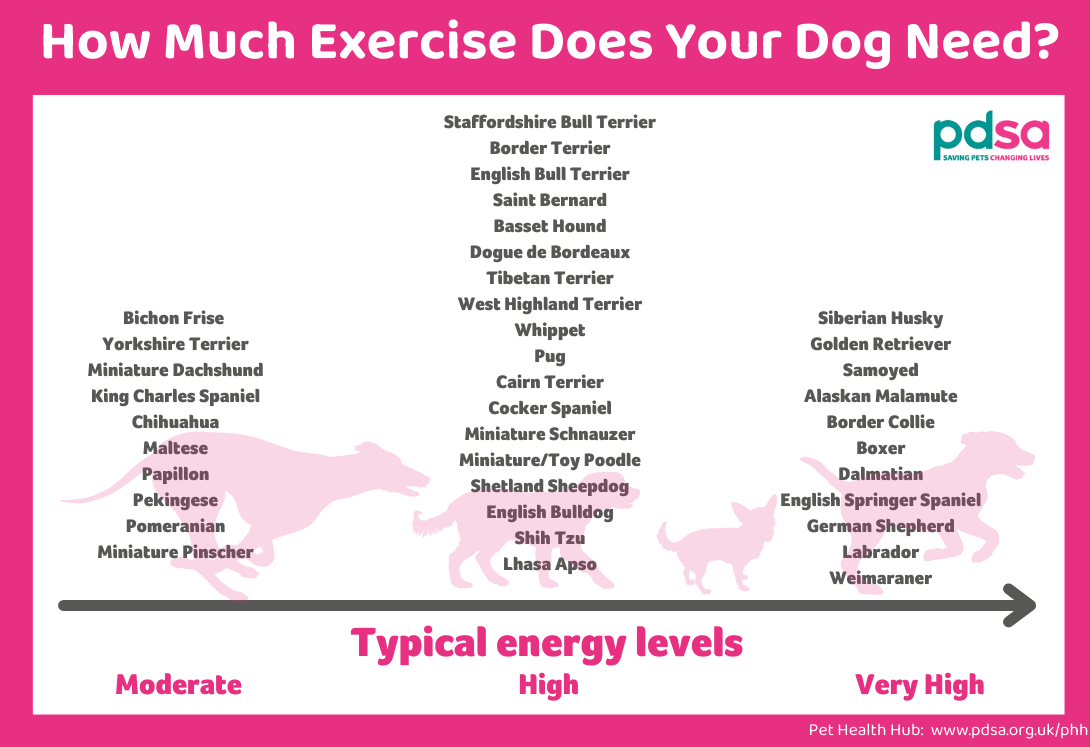
Dog breeds are very different in their energy levels and exercise needs. Some are active athletes, others are couch potatoes. Here is a quick comparison:
| Breed Type | Energy Level | Recommended Walks Per Day |
|---|---|---|
| Working (e.g., Border Collie, Husky) | Very High | 2-3 long walks (1-2 hours total) |
| Sporting (e.g., Labrador, Golden Retriever) | High | 2 walks (1-1.5 hours total) |
| Toy (e.g., Chihuahua, Pomeranian) | Low to Medium | 2 short walks (30-40 minutes total) |
| Brachycephalic (e.g., Bulldog, Pug) | Low | 1-2 short, easy walks (20-30 minutes total) |
High-energy dogs need long, challenging walks and play. Low-energy breeds may be satisfied with less. Always consider your dog’s breed when planning walks.
How Size And Weight Influence Walks
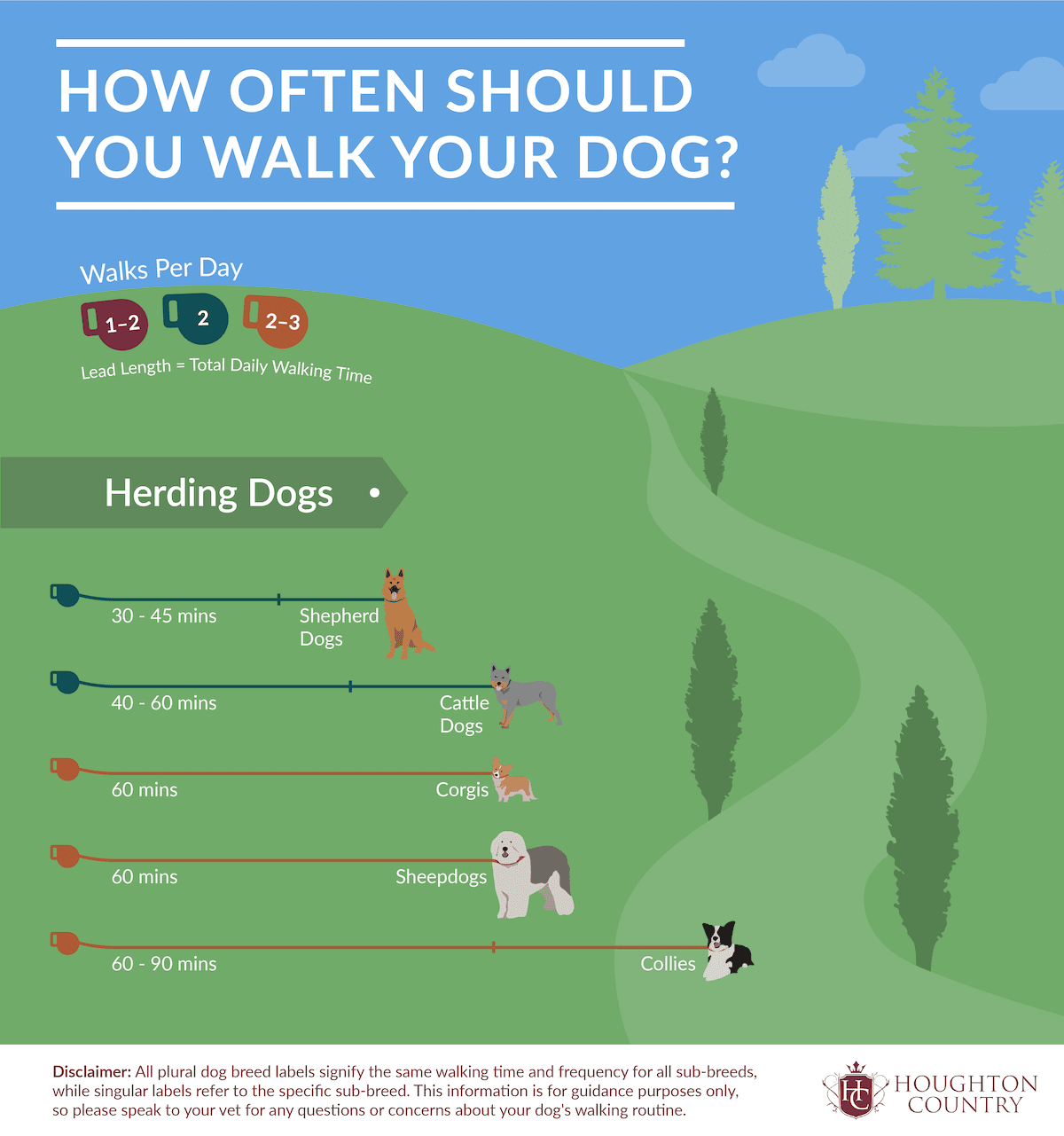
A dog’s size affects how far and how fast they can go. Small dogs have shorter legs and often get tired quicker. Large dogs can walk farther, but some big breeds (like Great Danes) may get joint pain if over-exercised.
Overweight dogs need gentle, regular exercise to avoid stress on their joints. Start with short, slow walks and increase time as they get fitter.
Credit: www.discoveranimals.co.uk
The Role Of Health And Special Needs
Dogs with medical conditions or disabilities need special attention. For example:
- Arthritic dogs: Choose soft, even surfaces and shorter walks. Avoid stairs and steep hills.
- Dogs with heart or lung issues: Keep walks short and avoid high temperatures.
- Recovering dogs: Follow your vet’s advice for activity limits.
Always watch for signs of pain, limping, or heavy breathing. Adjust walks if your dog seems uncomfortable.
How Weather And Season Affect Walking
The environment changes how often and how long you should walk your dog.
- Hot weather: Dogs overheat easily, especially brachycephalic breeds. Walk early morning or late evening. Carry water and avoid hot pavement.
- Cold weather: Small and short-haired dogs may need a coat. Limit time outside in extreme cold and watch for ice or salt.
- Rain or snow: Some dogs hate getting wet. Consider indoor games or short walks if the weather is bad.
Always check the temperature and adjust your plans to keep your dog safe and comfortable.
Signs Your Dog Needs More Or Less Walking
Listen to your dog’s body language. Common signs your dog needs more walking:
- Restlessness or pacing at home
- Chewing or other destructive behavior
- Barking or whining often
- Gaining weight
Signs of too much walking:
- Limping or sore paws
- Lying down during the walk
- Heavy panting after exercise
- Reluctance to go for walks
Dogs cannot speak, but they show how they feel. Adjust walk times based on their signals.
Creating A Walking Schedule That Works
No two dogs are exactly alike. Here’s how to set a schedule that fits your life and your dog’s needs:
- Know your dog: Consider age, breed, size, health, and energy level.
- Start with a base: Most healthy adult dogs do well with two walks a day, 30 minutes each.
- Watch and adjust: If your dog seems bored, add a walk. If they seem tired, shorten the walk.
- Break it up: Shorter, more frequent walks are better than one long walk—especially for puppies and seniors.
- Mix in play: Add games like fetch or training for mental stimulation.
- Stay consistent: Dogs love routine. Try to walk at the same times each day.
Here’s a sample schedule for different types of dogs:
| Dog Type | Morning Walk | Afternoon Walk | Evening Walk |
|---|---|---|---|
| Puppy (4 months) | 15 min (gentle) | 15 min (playful) | – |
| Active Adult | 30 min (brisk) | 30 min (varied) | 20 min (easy) |
| Senior Dog | 15 min (slow) | 15 min (gentle) | – |
Adapt the schedule to your dog’s real needs, not just the clock.
Common Walking Mistakes To Avoid
Many owners make simple mistakes that can affect their dog’s health. Here are some to watch for:
- Walking too far, too soon: Especially with puppies or overweight dogs. Build up distance slowly.
- Ignoring the weather: Hot pavement can burn paws, and cold can cause discomfort.
- Using the wrong leash or collar: A poor fit can cause injury or let your dog slip away.
- Skipping walks on busy days: Dogs need routine. Shorten the walk if needed, but don’t skip it completely.
- Not letting your dog sniff: Dogs gather information with their nose. Let them explore safely.
A good walk is not just about distance or speed. It’s about quality time and meeting your dog’s needs.
How To Make Walks More Enjoyable
Walking should be fun for both you and your dog. Here’s how to add variety and make walks better:
- Try new routes or parks for fresh smells and sights.
- Bring treats for training or rewards.
- Let your dog set the pace sometimes—slow down for sniffing.
- Add short training sessions (sit, stay, come) during walks.
- Walk with other dogs for extra socialization if your dog enjoys company.
Mixing things up keeps your dog happy and engaged.
Credit: www.pdsa.org.uk
When Professional Help Is Needed
Sometimes life gets busy, or a dog’s needs are hard to meet. If you cannot walk your dog enough, consider a dog walker or dog daycare service. This helps keep your pet healthy and stimulated even when you’re away.
If your dog has behavior problems on walks—pulling, barking, or aggression—consider working with a professional trainer. They can teach you both how to enjoy walks safely.
For more guidance, see the American Kennel Club’s tips on walking your dog.
The Real Answer: It Depends On Your Dog
There is no one-size-fits-all answer to “How often should I walk my dog? ” The right schedule depends on your dog’s age, breed, size, health, and personality. Most healthy adult dogs do best with at least two daily walks, totaling 30 minutes to 2 hours.
Puppies and seniors need shorter, more frequent walks.
The most important thing is to pay attention to your dog. Watch their energy, body language, and mood. Adjust walks as needed and keep the routine enjoyable. Walking is not just a task—it’s one of the best ways you can care for your loyal friend.
Frequently Asked Questions
How Many Times A Day Should I Walk My Dog?
Most adult dogs need at least two walks a day. Active breeds or high-energy dogs may need three or more. Puppies and seniors benefit from shorter, more frequent walks.
Can I Walk My Dog Too Much?
Yes, too much walking can cause joint pain, sore paws, or exhaustion—especially in puppies, seniors, or small breeds. Build up walk time slowly and watch for signs of fatigue.
What If I Miss A Day Of Walking?
Missing a single walk is usually not a problem, but try not to make it a habit. If you miss a walk, offer extra play or mental games at home to keep your dog busy.
How Do I Know If My Dog Is Getting Enough Exercise?
A well-exercised dog is calm at home, sleeps well, and is not destructive. If your dog seems bored, gains weight, or develops bad habits, they may need more activity.
Are Backyard Play And Walks The Same?
No. Backyard play is good, but walks offer new smells, sights, and mental stimulation that a yard cannot give. Walks also help with socialization and training. Both are important for a happy, healthy dog.
