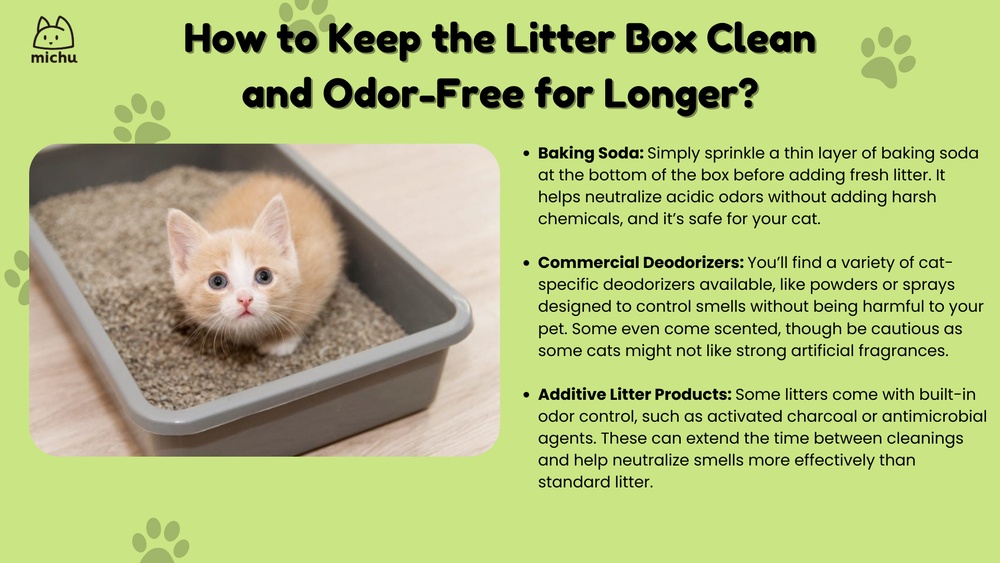
Cats are clean animals, and a fresh litter box is important for their health and happiness. If you are new to cat care, or if you want to improve your routine, you may wonder: how often should you change cat litter? The answer is not always simple. It depends on several factors—like the type of litter, the number of cats, and your cat’s habits. Understanding these details can prevent odor, mess, and even health issues for your furry friend. This guide will help you set up the best schedule for changing cat litter and offer tips to keep your home clean and your cat content.
Why Regular Litter Changes Matter
A clean litter box is more than just about comfort—it’s about health and behavior. Dirty litter boxes can lead to bad smells, but more importantly, they can cause your cat to stop using the box. Cats may urinate outside the box if it’s too dirty, which can lead to stress and damage in your home.
Another risk is the growth of bacteria and parasites. Ammonia from urine can build up, especially in covered boxes, causing breathing problems for both cats and people. For homes with small children, elderly family members, or people with allergies, this is even more important.
Finally, a regular routine helps you spot problems early. If you notice changes in your cat’s waste—such as diarrhea, blood, or a strong odor—it could signal health issues that need attention.
Factors That Influence How Often To Change Cat Litter
There’s no single answer for every cat owner. Several things impact how often you should change the litter:
Number Of Cats
More cats means more waste. If you have multiple cats, you’ll need to scoop and change the litter more often. The rule of thumb is one box per cat, plus one extra. If you have three cats, you should have at least four boxes.
Type Of Litter
Not all litters are the same. Some absorb better, some control odor longer, and some break down quickly. Here’s a quick comparison:
| Litter Type | Odor Control | Change Frequency |
|---|---|---|
| Clumping clay | High | 7-10 days |
| Non-clumping clay | Medium | 2-3 days |
| Silica gel | Very high | 2-4 weeks |
| Biodegradable (wood, paper, corn) | Medium | 7-14 days |
Cat’s Age And Health
Kittens and older cats may need their boxes changed more often. Kittens tend to use the box more frequently. Cats with health problems, such as diabetes or kidney disease, may urinate more.
Box Size And Type
A small litter box gets dirty faster. Covered boxes trap smells, but they also trap ammonia, so you must clean them more often. Self-cleaning boxes can help, but they still need to be emptied and washed regularly.
Owner’s Schedule
Sometimes, your personal schedule affects how often you can change the litter. The key is not to let it slide for more than a day or two, or your cat may find other places to go.
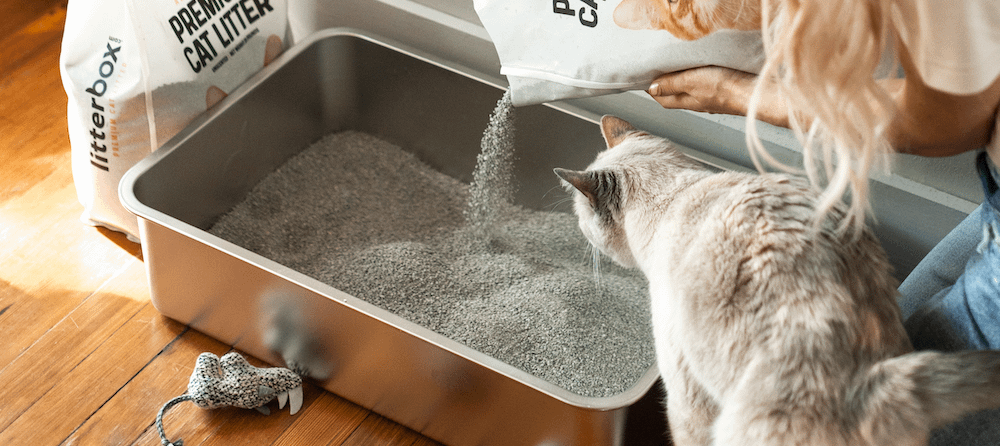
Credit: www.litter-robot.com
How Often Should You Scoop Cat Litter?
Scooping is not the same as changing the entire box. Scooping means removing clumps of waste daily. For one cat, scoop at least once per day. For two or more cats, twice per day is better. This keeps odors down and makes the full change easier.
Some cat owners scoop every time they walk by the box, which is ideal if you want a fresh-smelling home. Automatic scoopers can help, but they aren’t perfect, so check them regularly.
How Often Should You Change All The Cat Litter?
Changing means emptying out all the old litter, washing the box, and refilling it with fresh litter. This is different from just scooping. The frequency depends on the litter type:
- Clumping clay litter: Change out all the litter and wash the box once every 1-2 weeks. If you scoop daily and keep the box in a low-traffic area, two weeks is okay, but one week is safer.
- Non-clumping clay litter: Needs full change every 2-3 days. This type absorbs urine but does not form clumps, so urine sits at the bottom.
- Silica gel crystals: These last 2-4 weeks for one cat, but if you notice odor or the crystals turn yellow, change sooner.
- Biodegradable/plant-based litters: Usually need changing every 1-2 weeks, but this depends on the brand and how well it absorbs.
If you have more than one cat, cut these times in half. For example, with two cats, change clumping litter every 5-7 days.
Cleaning The Litter Box: Step-by-step
When you change all the litter, don’t just dump and refill. Proper cleaning helps prevent bacteria and odor:
- Empty the box completely. Dump old litter into a bag and seal it before throwing it away.
- Scrub with mild soap and hot water. Avoid strong chemicals like bleach or ammonia. Rinse well.
- Dry the box with a paper towel or let it air dry.
- Add fresh litter to a depth of about 2-3 inches.
- Wash the scoop and keep it clean.
If your cat is sensitive to smells, rinse the box an extra time so there’s no soap residue.
Signs That It’s Time To Change Cat Litter
Sometimes, you need to change the litter sooner than planned. Look out for these signals:
- Strong odor: If you smell ammonia or waste when you walk near the box, it’s time to change it.
- Wet or sticky litter: If the litter is damp and clumps are breaking apart, it’s too full.
- Cat avoids the box: If your cat starts using other places, the box might be too dirty.
- Visible waste: If you see waste sticking to the sides or bottom, it’s time for a full clean.
- Flies or bugs: Rare, but a sign of an overdue change.
If you notice any of these, clean the box right away.
Mistakes To Avoid When Changing Cat Litter
Even experienced cat owners make errors. Here are some common mistakes—and how to fix them:
- Not using enough litter: Less litter means waste sticks to the bottom. Use at least 2-3 inches.
- Letting boxes overflow: Waiting too long makes cleaning harder and can make your cat sick.
- Ignoring the scoop: A dirty scoop spreads germs. Rinse it with soap and water regularly.
- Switching brands too often: Cats are sensitive to change. If you must switch, do it slowly by mixing old and new litters.
- Using harsh chemicals: Cats dislike strong smells. Stick to mild soap and hot water.
Cost Comparison: Litter Types And Replacement Frequency
Choosing the right litter is also about cost. Some types are cheaper per bag but need more frequent changes. Here’s a comparison to help you budget:
| Litter Type | Average Price (per month, 1 cat) | Replacement Frequency |
|---|---|---|
| Clumping clay | $12–$20 | Weekly |
| Non-clumping clay | $8–$15 | Twice weekly |
| Silica gel | $20–$30 | Monthly |
| Biodegradable | $15–$25 | Every 1–2 weeks |
Choosing a high-quality litter can save you time and keep your cat happier, even if the upfront cost is higher.
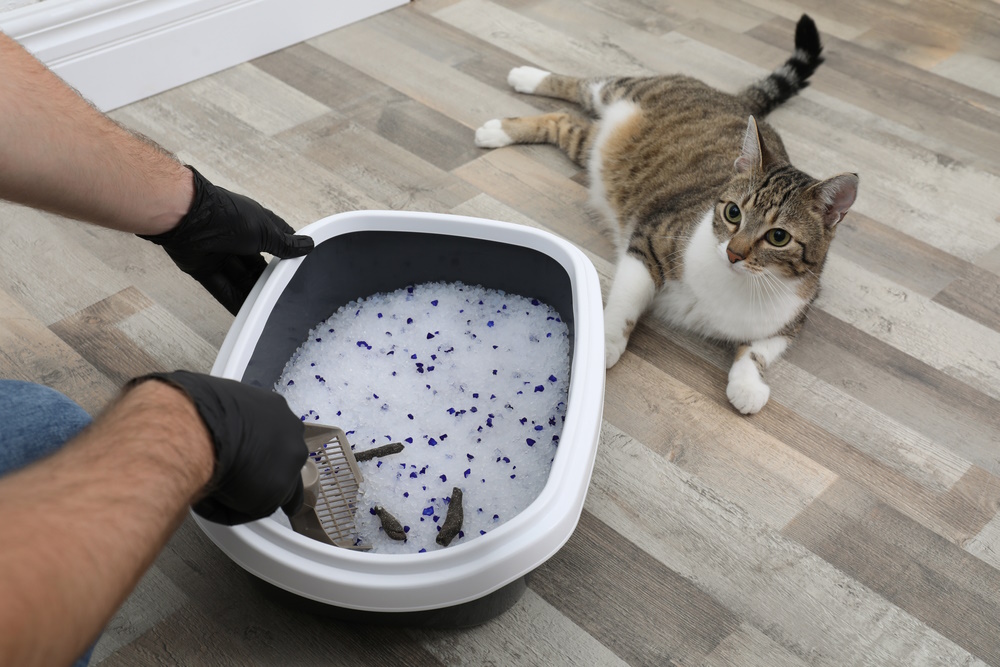
Credit: jordanianschoolqatar.com
Litter Box Tips For Busy Cat Owners
If you have a busy schedule, you can still keep the box clean. Here are some practical tips:
- Use multiple boxes: Especially if you have several cats or live in a large home.
- Try liners: Box liners make it easier to change out non-clumping litters, but some cats dislike them.
- Set reminders: Use your phone or a sticky note to remind you to scoop and change.
- Consider self-cleaning boxes: These can help, but still need regular emptying and cleaning.
- Ask for help: If you travel, ask a friend or pet sitter to keep up the routine.
How Clean Litter Boxes Affect Cat Behavior
Cats are creatures of habit. A dirty box can cause stress, leading to unwanted behaviors like spraying, scratching, or hiding. Clean boxes encourage good habits. They also make it easier to spot health issues—like blood in urine or changes in stool—which can be early signs of illness.
In multi-cat homes, a dirty box can lead to fights or territory problems. Some cats refuse to share, so extra boxes are a must.
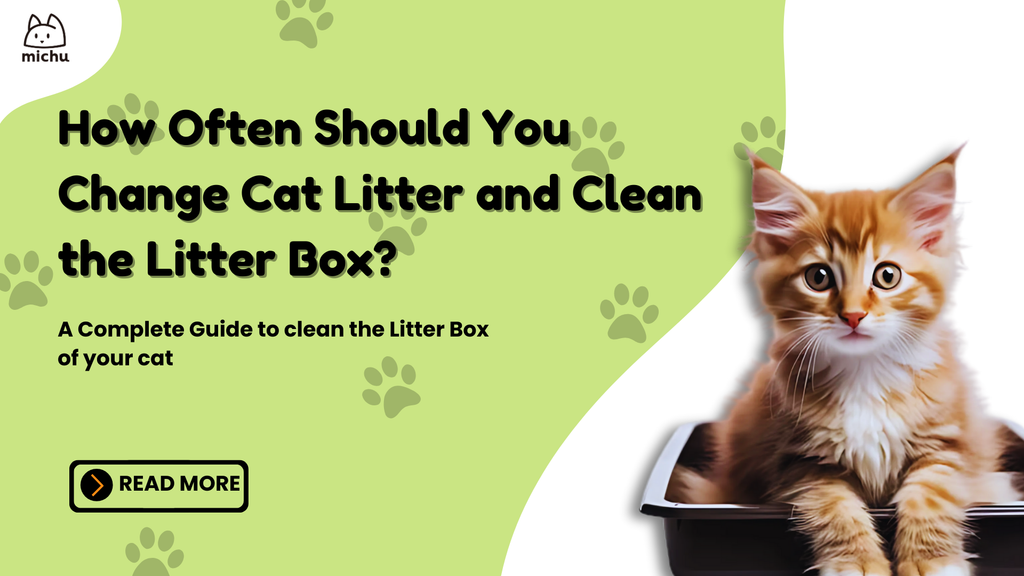
Credit: michupet.com
Environmental Concerns: Disposal And Eco-friendly Options
Many cat owners are thinking about the environment. Traditional clay litter is not biodegradable and adds to landfill waste. Biodegradable litters made from wood, paper, or corn can be composted in some locations (never for food gardens). If you want to be eco-friendly:
- Use biodegradable bags to dispose of waste.
- Try plant-based litters, but introduce them slowly.
- Avoid flushing litter—most is not safe for pipes or waterways.
For more on eco-friendly pet care, check resources like the ASPCA.
Frequently Asked Questions
How Often Should You Completely Change Clumping Litter?
For one cat, change clumping litter and wash the box every 1–2 weeks. With two or more cats, change it weekly. Daily scooping is still needed to keep it fresh.
Is It Bad To Change Cat Litter Too Often?
Changing litter too often is not harmful, but can be wasteful. Most cats prefer a clean box. If your cat is sensitive to change, make sure you use the same litter type and scent.
Can I Add New Litter On Top Of Old Litter?
It’s not a good idea. Adding new litter over dirty litter can trap bacteria and odor. Always scoop out waste first, and only add new litter to maintain the right depth.
What If My Cat Stops Using The Litter Box?
This can be a sign the box is too dirty, in the wrong location, or the litter type has changed. Clean the box thoroughly, put it in a quiet spot, and use a familiar litter. If problems continue, talk to your vet.
How Do I Reduce Litter Box Odor?
Scoop daily, change all litter regularly, and clean the box with mild soap. A covered box or air purifier can help, but only if you keep up with cleaning. Avoid scented litters if your cat is sensitive.
A regular litter box routine is key for a happy cat and a clean home. By understanding your cat’s needs and adjusting your schedule, you can prevent problems before they start. Clean boxes mean healthier, happier cats—and a fresher-smelling home for you.
