
Losing a dog is every owner’s nightmare. The feeling is a mix of panic, sadness, and confusion. You might wonder if your dog is safe, hungry, or frightened. But acting quickly and correctly can make a huge difference. Many lost dogs are found, but the first 24-48 hours are crucial. By following the right steps, you increase the chance of a happy reunion. This guide walks you through 10 proven steps to find a lost dog, with practical advice, real-world examples, and expert tips most people miss.
1. Stay Calm And Assess The Situation
When you realize your dog is missing, it’s easy to panic. But staying calm is your first and most important step. Take a deep breath. Ask yourself key questions: When and where did you last see your dog? Did something scare them, like fireworks or thunder? Did they escape from your yard, or slip out the door? Understanding how your dog went missing helps you know where to start searching.
Write down details: time, place, what your dog was wearing (collar, tags, harness), and your dog’s recent behavior. This information is critical for the next steps and for talking to others who might help.
2. Search Your Home And Immediate Area
Dogs often hide nearby, even if they seem missing. Begin with a thorough check of your house and yard. Look under beds, in closets, behind furniture, or in the garage. Dogs frightened by loud noises may wedge themselves into small spaces.
Check gates, fences, and any holes or weak spots your dog could have squeezed through.
After searching your home, widen your search to the immediate area. Walk around your block. Bring your dog’s favorite treats or squeaky toy. Call their name in a happy, encouraging tone. Avoid shouting angrily, as dogs may hide from a stressed owner.
3. Notify Family, Friends, And Neighbors
The more people looking, the better. Immediately tell your family, friends, and neighbors that your dog is missing. Share a recent photo and a clear description: breed, size, color, any unique markings. Ask them to check their garages, sheds, and under decks. Dogs can easily wander into open spaces and get trapped.
Many lost dogs are found close to home because a neighbor notices a pet they don’t recognize. Ask delivery drivers, postal workers, and local kids—they see the area every day and may spot your dog before you do.
4. Use Social Media And Lost Pet Websites
Social media is a powerful tool for finding lost pets. Post on your own profiles and local community groups. Include a clear photo of your dog, where they were last seen, and your contact information. Use simple, direct language so everyone understands.
There are also dedicated lost pet websites and apps. Some popular options are:
- PawBoost
- Petfinder
- Nextdoor (for local communities)
- Craigslist (Lost & Found section)
Update your posts regularly. Respond quickly to any tips or sightings. Be careful with offers to help, and never send money for someone to return your pet.

Credit: www.vetneurochesapeake.com
5. Make And Distribute Lost Dog Flyers
Flyers are still one of the most effective ways to reach people who aren’t online. Create a flyer with a large, clear photo of your dog, a short description, and your phone number in big print. Offer a reward if you can, but don’t specify the amount.
Place flyers in high-traffic spots:
- Streetlights and stop signs
- Community centers
- Grocery stores
- Vet offices
- Local parks
Ask local businesses if you can put flyers in their windows. Replace any flyers removed by weather, and check back often for handwritten notes or calls.
Here’s a quick guide on what to include:
| Flyer Element | Details | Why It Matters |
|---|---|---|
| Photo | Recent, clear, color | Easy recognition |
| Description | Breed, color, size, collar/tags | Quick identification |
| Contact Info | Phone number (large font) | Immediate response |
| Reward | Optional; “No questions asked” | Encourages action |
6. Visit Local Animal Shelters And Vets In Person
Do not rely only on phone calls or emails. Visit local animal shelters, rescues, and veterinary clinics in person. Bring flyers and ask staff if they have seen a dog matching your description. Shelters often have many new animals every day, and staff may not recognize your dog by phone.
Leave a flyer with your contact information. Check back daily, as lost dogs can arrive days after being found. Ask about the shelter’s holding policies—some only keep strays for a few days before making them available for adoption.
7. Update Microchip And Tag Information
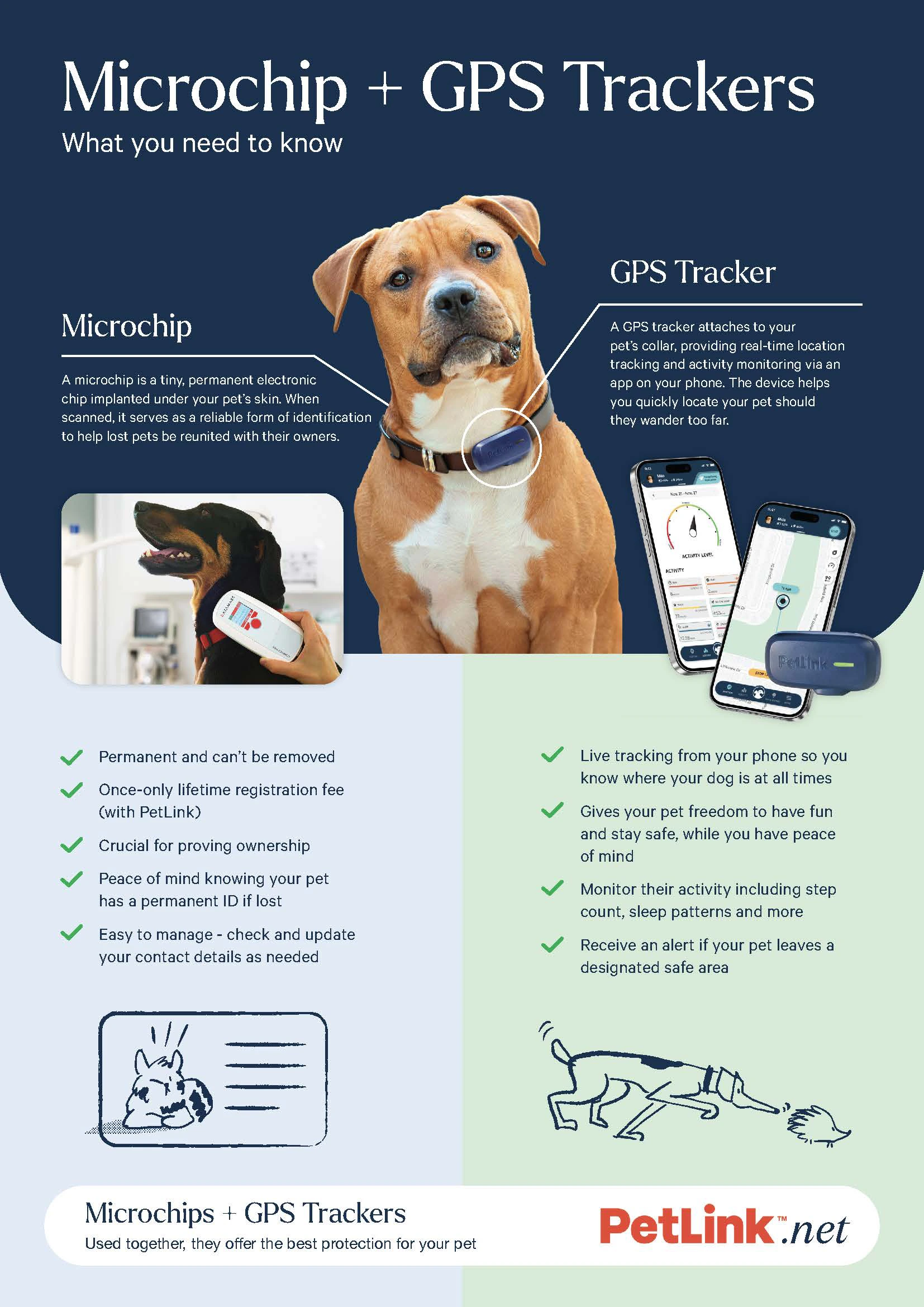
If your dog has a microchip, contact the chip registry immediately and report your dog as lost. Confirm your contact details are current. Many dogs are returned to owners because someone scanned their microchip. If your contact info is outdated, it can delay or prevent your dog’s return.
The same goes for ID tags. Let your vet and the company that made the tags know your dog is missing. If someone finds your dog and calls the number on the tag, you want to be sure you’ll answer.
Microchipped dogs have a much higher chance of being reunited with their owners. According to the American Veterinary Medical Association, 52% of lost dogs with microchips are returned to their families, compared to only 22% without chips.
8. Set Up A Scent Station And Familiar Items
Dogs have a powerful sense of smell, up to 100,000 times better than humans. Setting up a scent station can help guide your lost dog home. Place your dog’s bed, favorite blanket, or your worn T-shirt outside your home. Add a bowl of water (not food, which can attract wildlife).
Avoid moving too far from home for at least 12-24 hours. Many dogs circle back to the last place they saw their family. The familiar scent can help them find their way, especially at night when the area is quiet.
Some owners overlook this simple step, but it has led to many successful recoveries. Don’t underestimate the power of scent for your dog.

Credit: www.youtube.com
9. Check Lost And Found Reports Regularly
Every city and county has its own way of reporting found pets. Check with local animal control, shelters, and lost-and-found websites every day. Many organizations list found dogs online with basic descriptions and photos.
Here’s how different agencies compare:
| Agency | How to Check | Update Frequency |
|---|---|---|
| Animal Shelters | Visit in person, call, or view online listings | Daily to weekly |
| Animal Control | Call or check website | Daily |
| Lost Pet Websites | Online search, post your dog | Real-time |
When checking online, search by breed, color, and area, not just your dog’s name. Descriptions can be vague, so look at every photo closely. If you see a possible match, contact the organization right away and be ready to provide proof of ownership (like photos or vet records).
10. Don’t Give Up: Keep Searching And Follow Up
Many dogs are found days or even weeks after they go missing. The key is persistence. Keep checking shelters, updating flyers, and staying active on social media. If you receive a tip, follow up quickly. Some dogs travel long distances or get picked up and taken to shelters far away.
Follow up with everyone who has your contact info: shelters, rescue groups, and neighbors. Let them know when your dog is found, so they can help others in the future.
If you find your dog, remove flyers and update posts to thank the community. People appreciate closure and are more likely to help again.
Here are a few things owners often miss:
- Double-check your old contact details. An outdated phone number can ruin your search.
- Don’t assume your dog will come when called by a stranger—ask people to approach slowly and offer treats.
Credit: www.petlink.net
Frequently Asked Questions
How Long Should I Search Before Losing Hope?
You should never give up. Many dogs are found weeks or even months after they go missing. Dogs are survivors and may travel long distances. Keep searching, checking shelters, and updating your information.
Are There Professional Services To Help Find Lost Dogs?
Yes, some companies offer pet detective services or tracking dogs to help search. These services can be expensive but may be worth it for difficult cases. Learn more from the ASPCA.
What Should I Do If Someone Tries To Scam Me?
Be cautious. Never send money to someone claiming to have your dog. Meet in a public place, and ask for a photo of your dog as proof. If something feels wrong, involve local authorities.
Does Neutering Or Spaying Help Prevent Dogs From Running Away?
Yes, spayed or neutered dogs are less likely to roam. Intact dogs may wander in search of a mate. Spaying/neutering also has health and behavior benefits.
What Proof Should I Provide To Claim My Lost Dog?
Bring recent photos, vet records, and any unique information about your dog’s behavior or markings. Shelters and finders need proof to return your pet safely.
Finding a lost dog is stressful, but taking the right steps gives you the best chance for a happy ending. Act quickly, stay organized, and don’t lose hope. Your dog is counting on you—many owners are reunited with their pets every day.
