
Bathing a puppy can feel a little scary, especially if you are a first-time dog owner. Puppies are small, wiggly, and sometimes nervous, so giving them a bath requires patience and the right approach. But with careful preparation and a gentle touch, bath time can become an enjoyable bonding experience for you and your furry friend.
In this guide, you’ll learn how to bathe a puppy safely, what supplies you need, the right steps to follow, and how to avoid common mistakes. With these tips, your puppy will be clean, happy, and healthy.
When Should You Bathe A Puppy?
Puppies are not born ready for full baths. Their skin is delicate, and their immune systems are still developing. Most vets recommend waiting until your puppy is at least 8 weeks old before giving a full bath. Before that age, you can use a warm, damp cloth to spot-clean any dirty areas. Bathing too early or too often can dry out their skin and remove important natural oils.
After 8 weeks, you should bathe your puppy only when necessary. Most puppies only need a bath every 3-4 weeks, unless they get especially dirty. Bathing too often may lead to itchy skin, so it’s best to keep baths occasional.
Essential Supplies For Puppy Bathing
Having the right supplies makes the process easier and safer for your puppy. Here’s what you’ll need:
- Puppy-safe shampoo: Never use human shampoo, as it can irritate a puppy’s skin. Look for a gentle, tear-free formula made for dogs.
- Non-slip mat: Puppies are wiggly and can slip easily in the tub or sink.
- Soft towels: Have at least two—one for drying and one for wrapping.
- Plastic cup or handheld sprayer: For gentle rinsing.
- Cotton balls: To place in your puppy’s ears, which helps prevent water from entering.
- Brush or comb: Useful before and after the bath, especially for longer-haired breeds.
- Treats: Small, tasty treats help your puppy feel positive about bath time.
Preparing these supplies ahead of time helps keep the process calm and smooth.
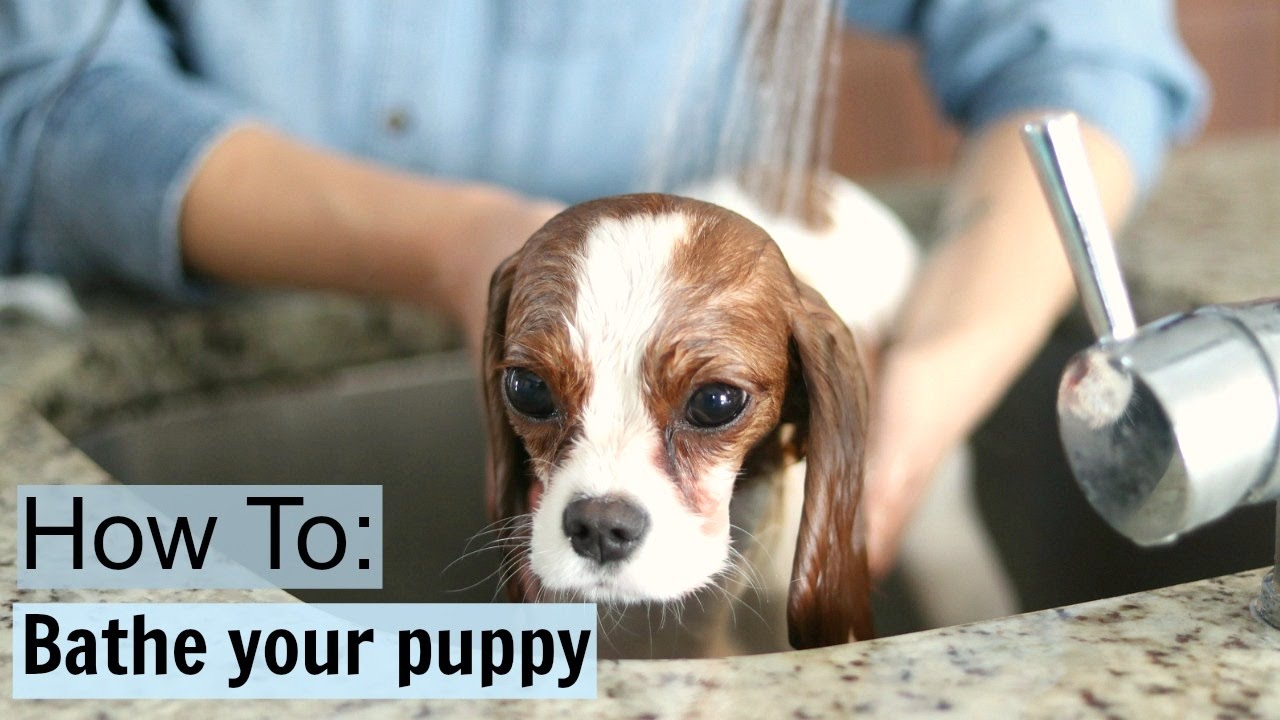
Credit: www.youtube.com
Preparing Your Puppy For Bath Time
Before you start, it’s important to set the stage for a stress-free bath. Puppies pick up on your mood, so stay calm and positive. Choose a warm room with no drafts. Fill the tub or sink with just a few inches of lukewarm water—hot or cold water can shock your puppy. Test the water with your wrist; it should feel comfortable, not hot.
Gently brush your puppy’s coat to remove tangles and loose hair. This step is especially important for breeds with longer fur, as mats can become worse when wet. Place a non-slip mat in the tub or sink to prevent slipping.
If your puppy is nervous, let them explore the bathroom and the tub for a few minutes before starting the bath. Offer a treat and use a soothing voice to help your puppy relax.
Step-by-step Guide: How To Bathe A Puppy
Bathing a puppy is different from washing an adult dog. You need to be gentle and quick, but thorough. Here is a step-by-step process that works for most breeds:
- Secure your puppy: Place your puppy in the tub or sink on the non-slip mat. Speak softly and offer a treat to keep them calm.
- Protect the ears: Gently place a cotton ball in each ear to keep out water. Never push cotton deep into the ear canal.
- Wet the coat: Use a cup or sprayer to wet your puppy’s coat. Start from the neck and work down the body. Avoid the eyes and inside the ears.
- Apply shampoo: Pour a small amount of puppy shampoo into your hand. Lather it gently over your puppy’s body, starting at the neck and moving to the tail. Clean the legs, paws, and underbelly. Save the head for last and use a damp washcloth to clean the face.
- Rinse thoroughly: Make sure all the shampoo is rinsed out. Leftover shampoo can cause itching or dryness.
- Dry gently: Lift your puppy out of the tub and wrap them in a soft towel. Pat (don’t rub) to dry the fur. You can use a blow dryer on low, cool setting if your puppy is not afraid, but always keep it moving and never aim it at the face.
- Praise and reward: Give your puppy a treat and lots of praise. This positive reinforcement helps your puppy associate baths with good things.

Credit: www.epictailsvet.com
Common Puppy Bathing Mistakes To Avoid
Even with the best intentions, it’s easy to make mistakes during a puppy’s bath. Avoid these common problems:
- Using human shampoo: Human products are too harsh for puppies and can cause skin issues.
- Water too hot or cold: Puppies can’t regulate temperature well. Always check the water with your wrist.
- Getting water in the ears: Water in the ears can cause painful infections. Cotton balls help, but be careful while rinsing.
- Not rinsing enough: Shampoo left in the fur can lead to itchiness and irritation.
- Bathing too often: Too many baths strip natural oils and may cause dry skin.
- Rushing the process: Puppies need time to adjust. Rushing can make them fearful of baths in the future.
Special Tips For Different Puppy Breeds
Some breeds need extra care during bath time. For example:
- Long-haired puppies: Breeds like Golden Retrievers or Shih Tzus need more brushing before and after the bath. Use a detangling spray if needed.
- Short-haired puppies: Dogs with short coats, like Beagles, need less brushing but still benefit from a gentle massage during shampooing.
- Wrinkled breeds: Puppies with skin folds, such as Bulldogs, must have wrinkles dried thoroughly to prevent infection.
- Small breeds: Tiny puppies often feel safer in a sink rather than a large tub.
Here is a quick comparison of bathing frequency for common breeds:
| Breed | Recommended Bath Frequency |
|---|---|
| Golden Retriever | Every 4–6 weeks |
| Beagle | Every 4–8 weeks |
| Bulldog | Every 4–6 weeks |
| Poodle | Every 3–4 weeks |
| Chihuahua | Every 4–8 weeks |
How To Make Bath Time Fun For Your Puppy
Bathing can be stressful for puppies if not handled with care. Turning it into a fun experience will help both you and your puppy. Here’s how:
- Start slow: Let your puppy sniff and explore the bath area before starting.
- Use treats: Give small rewards during and after the bath.
- Talk calmly: A soothing voice reassures your puppy.
- Make it a game: Use toys or a floating ball to distract and entertain your puppy.
If your puppy is scared of water, try bathing with a favorite toy or ask a friend to help gently hold your puppy while you work.
What To Do After The Bath
Once your puppy is clean and dry, it’s important to take a few extra steps:
- Brush the coat: Brushing helps prevent tangles and removes loose fur.
- Check the ears: Remove cotton balls and gently wipe the outer ear with a dry cloth.
- Reward your puppy: A favorite treat or playtime helps your puppy remember bath time as a positive experience.
- Watch for problems: Check for redness, rashes, or signs of discomfort after the bath. If you see anything unusual, contact your vet.
Puppy Bathing Safety: What Every Owner Should Know
Safety is the top priority when bathing a puppy. Here are two insights many new owners miss:
- Never leave a puppy alone in water: Puppies can drown in just a few inches of water. Keep a hand on your puppy at all times.
- Be careful with cleaning products: Even natural soaps can harm if swallowed. Keep all products out of your puppy’s reach and rinse thoroughly.
Also, puppies have sensitive skin. Avoid strong fragrances or added chemicals in shampoos. If your puppy has allergies or sensitive skin, ask your vet to recommend a suitable product.
Choosing The Right Puppy Shampoo
Picking the right shampoo is more important than most people realize. Here’s a comparison of key features:
| Shampoo Type | Main Benefit | Potential Drawback |
|---|---|---|
| Oatmeal-based | Soothes itchy, dry skin | Some dogs may be allergic to grains |
| Tear-free formula | Gentle on eyes and face | Usually less effective for deep cleaning |
| Medicated shampoo | Treats skin conditions | Should only be used with vet approval |
| Deodorizing shampoo | Removes strong odors | May contain strong scents or chemicals |
Always read labels and avoid products with harsh chemicals or artificial fragrances. For more details on safe pet grooming products, you can visit the ASPCA Dog Grooming Tips page.
How Often Should You Bathe A Puppy?
This is one of the most common questions new owners ask. As a general rule:
- Young puppies: Bathe only when dirty or as advised by your vet.
- Older puppies (over 8 weeks): Every 3–4 weeks is enough for most breeds.
- After outdoor adventures: If your puppy rolls in mud or something smelly, it’s fine to give a gentle bath.
Too many baths can remove the natural oils from your puppy’s skin. If your puppy often gets dirty, consider using a damp cloth or special dog wipes between full baths.
What If Your Puppy Hates Baths?
Some puppies are naturally afraid of water or dislike being handled. If this is the case:
- Stay calm and patient: Never force your puppy into the bath.
- Try positive associations: Give treats, praise, and toys before, during, and after the bath.
- Keep sessions short: Start with just a few minutes and gradually increase the time.
- Consider a professional groomer: If your puppy is very stressed, a groomer experienced with puppies can help.
With time and gentle practice, most puppies learn to accept—and even enjoy—their baths.
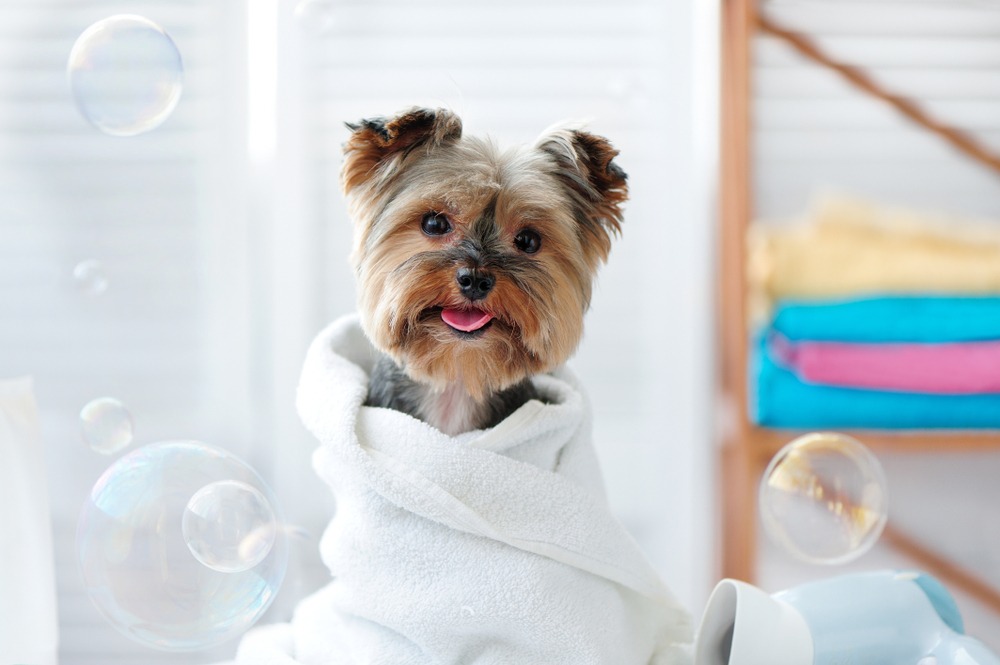
Credit: www.webbox.co.uk
Frequently Asked Questions
How Old Should A Puppy Be Before Its First Bath?
You should wait until your puppy is at least 8 weeks old before giving a full bath. Before then, use a damp cloth to clean any dirty spots.
What Kind Of Shampoo Is Safe For Puppies?
Always use a puppy-safe shampoo. Human shampoos are too harsh and can cause skin problems. Look for a gentle, tear-free formula.
How Can I Prevent My Puppy From Being Scared Of Baths?
Start slow, use positive reinforcement like treats and praise, and keep the atmosphere calm. Make bath time fun by including toys or games.
Can I Use A Hairdryer To Dry My Puppy?
Yes, but only on the lowest, coolest setting. Keep the dryer moving and never point it at your puppy’s face. Many puppies are scared of the noise, so a towel may be better.
What Should I Do If My Puppy Gets Water In Its Ears?
Dry the ears gently with a soft towel. If you notice redness, shaking, or a bad smell, contact your vet. Water in the ears can cause infections.
Bathing your puppy is an important part of early care and bonding. With the right supplies, gentle handling, and positive reinforcement, bath time can become a happy routine for both you and your puppy. Always be patient, watch for signs of stress, and adjust your approach as your puppy grows.
With practice, you’ll both become pros at puppy baths!
