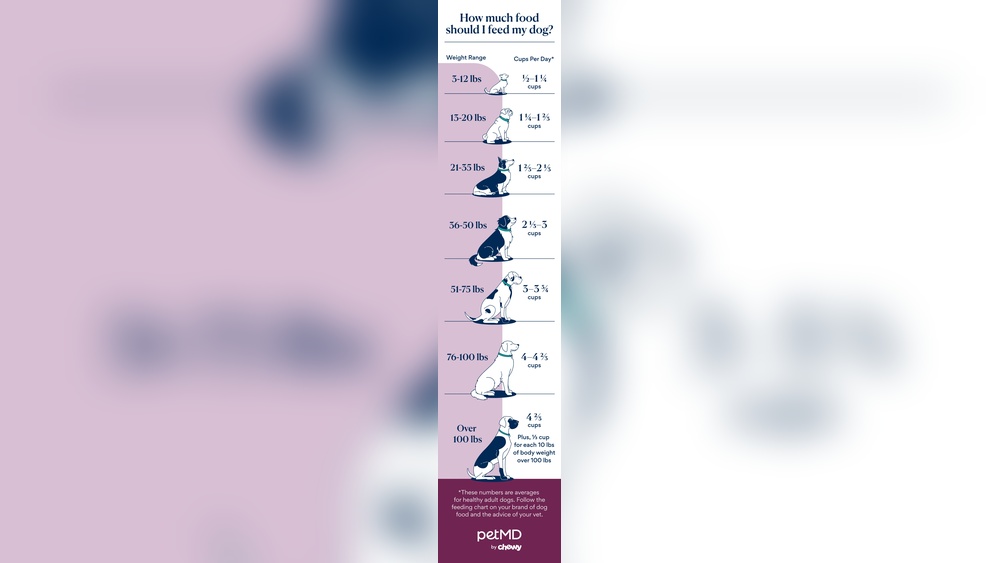
Feeding your dog the right amount can feel confusing. Every pet owner wants their dog to be healthy and happy, but “How much should I feed my dog? ” is not a simple question. Dogs come in many sizes, breeds, and ages.
Their activity levels and health needs can be very different. If you feed too little, your dog may be hungry, tired, or lose weight. If you feed too much, your dog could gain weight and face health problems like diabetes or joint pain.
Finding the right amount takes more than just reading the back of a dog food bag. Let’s look closely at what really matters when deciding how much to feed your dog, so your best friend stays healthy and full of energy.
Why The Right Food Amount Matters
Feeding your dog the correct amount is about much more than avoiding hunger or weight gain. The right balance supports your dog’s immune system, keeps their coat shiny, and gives them the energy to play and learn. Dogs that are overweight have a higher risk of heart disease, breathing problems, arthritis, and even cancer. Dogs that don’t get enough food can have weak bones, dull fur, and lower immunity. Feeding your dog just right helps them live longer and feel better every day.
Factors That Affect How Much To Feed
Many things influence how much food a dog should eat each day. Understanding these factors helps you choose the best amount for your dog.
1. Dog’s Weight And Size
A large dog like a Labrador or German Shepherd needs much more food than a small dog like a Chihuahua. Body size is the main factor that decides calorie needs.
2. Age And Life Stage
- Puppies are growing fast and need more calories per pound than adult dogs.
- Adult dogs need enough to maintain their weight and energy.
- Senior dogs may need fewer calories if they are less active.
3. Activity Level
A very active dog, like one that jogs with you every day, will need more food than a dog who mainly sleeps at home.
4. Breed Differences
Some breeds have faster or slower metabolisms. For example, herding and hunting breeds often burn more calories than lap dogs.
5. Health And Medical Conditions
Dogs with certain health issues, like thyroid problems or diabetes, may need special diets and amounts.
6. Type Of Food
Wet, dry, and raw foods all have different calorie levels and densities. Always check the calorie content on the package.
Non-obvious insight: Many owners forget to adjust portions when switching food types. Dry kibble is more calorie-dense than wet food, so the same cup size can have very different calories.
How To Calculate Your Dog’s Food Amount
You don’t need to guess how much to feed your dog. There are ways to calculate a good starting point.
Using Dog Food Labels
Most commercial dog foods have a feeding guide on the package. This is a good starting point, but it’s only a guide. The recommendations are usually based on the dog’s ideal weight, not their current weight.
The Basic Calculation
A simple rule is to feed your dog based on their Resting Energy Requirement (RER). The formula is:
Rer = 70 × (weight In Kg)^0.75
Then multiply RER by an activity factor:
- Neutered adult: RER × 1.6
- Active adult: RER × 1.8
- Puppy: RER × 2–3
Example Calculation
Let’s say your adult dog weighs 10 kg:
- RER = 70 × (10)^0.75 = 70 × 5.62 = 393 kcal/day
- For a neutered adult: 393 × 1.6 = 629 kcal/day
Always adjust based on your dog’s body condition and activity.
Non-obvious insight: Owners often forget to factor in treats and table scraps, which can add many hidden calories each day.
Comparing Food Types: Calories And Portion Sizes
Different types of dog food have different calorie densities. Here’s a quick comparison:
| Food Type | Calories per Cup (average) | Typical Portion Size |
|---|---|---|
| Dry Kibble | 350-450 kcal | 1-3 cups/day |
| Wet (Canned) | 180-250 kcal | 2-4 cans/day |
| Raw Diet | 45-55 kcal/oz | 8-16 oz/day |
Always check your specific food label, as calorie counts can vary a lot between brands.
Signs You’re Feeding The Right Amount
How do you know if your dog’s food amount is correct? Look for these signs:
- Steady weight: Your dog’s weight stays the same over weeks.
- Good energy: Not sluggish or hyperactive.
- Normal stool: Not too soft, not too hard.
- Shiny coat: Healthy skin and fur.
- Normal appetite: Your dog finishes meals but isn’t always searching for more.
If you notice sudden changes—weight gain, loss, upset stomach—adjust the food amount and talk to your vet.
Adjusting Portions: When And How To Change
It’s important to change how much you feed your dog as they grow or their life changes. You should re-calculate portions when:
- Your puppy becomes an adult (usually at 1 year)
- Your dog is spayed/neutered (metabolism slows)
- Your dog becomes much more or less active
- There are big weight changes
- Your dog develops health problems
When changing food amounts, do it gradually over 1–2 weeks. Sudden changes can upset your dog’s stomach.

Credit: mygrubclub.com
How Breed And Age Affect Feeding
Breed and age make a big difference in food needs. Let’s look at some examples to understand the variety.
| Dog Type | Weight (kg) | Daily Food (Cups) | Calories Needed |
|---|---|---|---|
| Toy Breed Adult | 2–4 | 0.3–0.5 | 150–250 |
| Medium Breed Adult | 10–20 | 1–2 | 400–900 |
| Large Breed Adult | 25–40 | 2–4 | 1000–1800 |
| Puppy (all breeds) | Varies | Up to double adult | 2× adult amount |
| Senior (less active) | Varies | 10–20% less | 10–20% less |
Example: A 3 kg Chihuahua eats only about 1/3 cup per day, while a 35 kg Labrador may need nearly 4 cups.
Practical Tips For Feeding Your Dog
Getting feeding right is about more than just measuring. Here are some tips:
- Use a measuring cup for accuracy. Guessing often leads to overfeeding.
- Feed at the same times each day. Dogs like routine.
- Avoid free-feeding (leaving food out all day) unless your dog is underweight.
- Watch body shape, not just weight. You should see a waist and feel ribs with gentle pressure.
- Limit treats to 10% of daily calories.
- Change food slowly if you switch brands or types.
- Keep fresh water available at all times.
- Ask your vet for advice, especially for puppies, seniors, or dogs with health issues.
Common Feeding Mistakes To Avoid
Many owners make simple mistakes that can lead to health problems.
- Guessing portions: Always measure food. Overfeeding is easy if you don’t.
- Ignoring treats: Treats and table scraps can add hundreds of calories.
- Not adjusting after spay/neuter: Metabolism can drop by up to 30%.
- Feeding by the package only: Use your dog’s shape and activity as your guide.
- Switching foods too quickly: This can cause diarrhea.
- Feeding only once a day: Most dogs do better with two meals.
Should You Use A Feeding Calculator?
Online feeding calculators can be useful. They consider age, weight, activity, and food type. But they are only a starting point. Every dog is different. Always watch your dog’s body condition and adjust as needed.
If you want to try a reliable calculator, check out the one provided by the Pet Nutrition Alliance.
Credit: www.chewy.com
When To Ask Your Vet
There are times when you should check with your vet about your dog’s diet:
- Your dog is losing or gaining weight fast
- Appetite changes suddenly
- You notice vomiting or diarrhea
- You want to feed a homemade or raw diet
- Your dog has a health condition
Your vet can help create a plan that fits your dog’s unique needs.
Frequently Asked Questions
How Many Times A Day Should I Feed My Dog?
Most adult dogs do best with two meals a day—morning and evening. Puppies may need three or four smaller meals. Some large breeds or dogs with health problems may need special schedules.
Can I Feed My Dog Once A Day?
Some dogs can manage one meal, but most do better with two. Splitting food helps avoid hunger, keeps energy steady, and can lower the risk of bloat in large breeds.
What If My Dog Is Always Hungry?
If your dog acts hungry even after eating, check their body weight and shape. Some dogs beg for food out of habit, not true hunger. If your dog is losing weight or seems unwell, talk to your vet.
Do Different Breeds Need Different Amounts?
Yes, breed affects metabolism and calorie needs. Working and sporting breeds often need more. Toy breeds need smaller, more frequent meals because they burn energy fast.
How Much Should I Feed My Dog If They Are Overweight?
Reduce the food amount by 10–20% and cut back on treats. Increase gentle exercise. Watch for steady, slow weight loss. Never starve your dog. If weight does not change, ask your vet for a safe weight loss plan.
Feeding your dog the right amount can seem complex at first, but with careful attention and a few good habits, you’ll find the balance that keeps your dog healthy and happy. Remember, every dog is unique. Start with these tips, watch your dog closely, and adjust as needed.
A well-fed dog is a healthy companion for years to come.

Credit: aminpetshop.com
