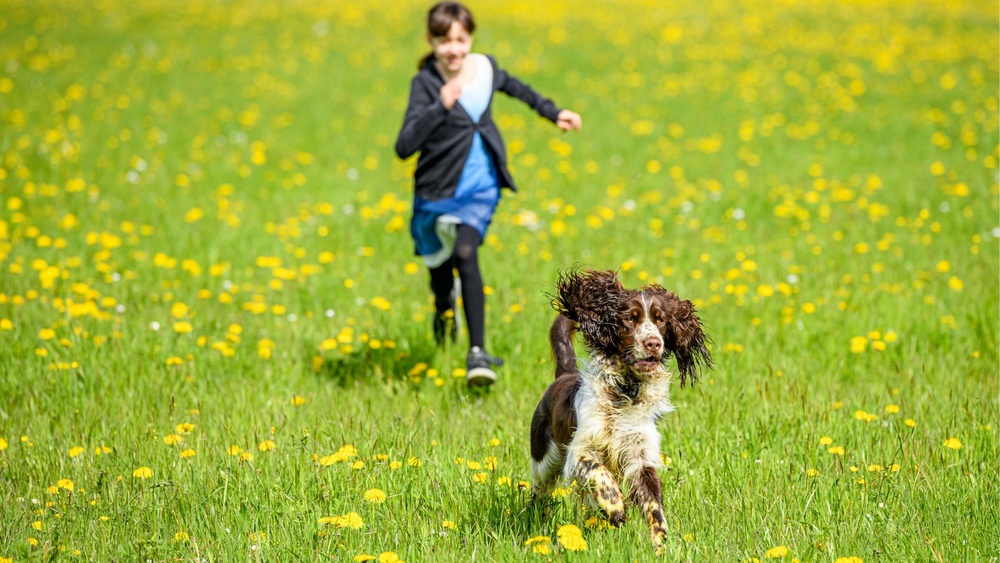
Many dog owners feel frustrated or worried when their dog runs away at the park, on a walk, or even from the backyard. You may have tried calling, treats, or even chasing your dog, but nothing seems to work. If you wonder, “How do I stop my dog running off?
” you are not alone. Many people struggle with this problem, but the good news is that it can be fixed. As a behaviorist with years of experience, I have seen how a few key changes can make a big difference.
Let me share my secret, along with practical steps, science-backed methods, and common mistakes to avoid.
Why Dogs Run Off: Understanding The Root Cause
To stop your dog from running off, you first need to know why it happens. Dogs run away for different reasons, and each reason needs a different solution.
Common Reasons Dogs Run Off
- Curiosity: Dogs are natural explorers. New smells, sights, or sounds pull them away.
- Fear: Loud noises, strangers, or other animals can make dogs bolt.
- Prey Drive: Some dogs chase squirrels, rabbits, or birds without thinking.
- Boredom: Dogs left alone or without enough activity may escape to find fun.
- Lack of Training: If your dog never learned to come when called, they may ignore you.
Non-obvious Insight
Many owners think running off is disobedience. In reality, it is often instinct or a lack of self-control. Understanding this helps you approach training with patience.
The Behaviorist’s Secret: Build A Strong Recall
After working with hundreds of dogs, my secret is simple: the recall. Recall means your dog comes back when you call. A strong recall is more than a command—it is a habit. Here’s how to teach it the right way.
Step 1: Choose A Special Recall Word
Pick a word your dog only hears for this command, like “Here!” or “Come!” Don’t use their name alone, as it loses meaning.
Step 2: Use High-value Rewards
Most dogs ignore boring treats. Use chicken, cheese, or a favorite toy—something your dog loves and does not get every day.
Step 3: Practice In Easy Places First
Start indoors or in your fenced yard. Call your dog with your recall word, and reward instantly when they come.
Step 4: Gradually Add Distractions
Once your dog comes reliably inside, move to the backyard, then a quiet park, and finally, busy places. Take small steps. If your dog ignores you, go back to an easier place.
Step 5: Never Punish For Coming Late
Even if your dog comes after a delay, always reward them. If you punish, your dog will be afraid to come next time.
Non-obvious Insight
Recall is not just about rewards. It is about trust. Your dog must feel that coming to you is always safe and rewarding, even if they made a mistake.
Training Tools: What Helps And What Hurts
Some tools can help you keep control while training. Others can do more harm than good. Let’s compare the most common options.
| Tool | Helps? | Why |
|---|---|---|
| Long Training Leash | Yes | Gives freedom but keeps your dog safe and under control. |
| Shock Collar | No | Can cause fear or aggression; damages trust. |
| Whistle | Sometimes | Works if your dog is trained to respond to it. |
| GPS Collar | Helps Find Dog | Does not stop running off, but helps locate your dog fast. |
Stick with long leashes and positive methods for best results. Avoid tools that create fear or pain.
Step-by-step Recall Training Plan
Building a strong recall takes time and practice. Here’s a detailed plan to follow:
Week 1: Foundation
- Practice calling your dog from a short distance inside your home.
- Use your special recall word.
- Give a high-value reward each time.
- Do 5-10 short sessions per day.
Week 2: Add Distance
- Move to a larger room or hallway.
- Call your dog from farther away.
- Keep rewarding every time.
Week 3: Add Mild Distractions
- Practice in your yard with a long leash.
- Ask a family member to walk by or toss a toy as a distraction.
- Reward your dog for ignoring the distraction and coming to you.
Week 4: Real-world Practice
- Go to a quiet park with your long leash.
- Call your dog back from sniffing or minor distractions.
- If your dog ignores you, make it easier and reward success.
Maintenance: Keep It Fun
- Practice recall often, not just when you need it.
- Surprise your dog with great rewards sometimes, even after months of training.
Example Progress Table
Here’s how you might see progress over a month:
| Week | Location | Success Rate |
|---|---|---|
| 1 | Living Room | 80% |
| 2 | Yard | 65% |
| 3 | Quiet Park | 50% |
| 4 | Busy Park | 35% |
Don’t worry if your dog’s success drops in harder places. This is normal. Keep practicing in easier spots before moving on.
Credit: theonlinedogtrainer.com
Mistakes Owners Make (and How To Avoid Them)
Many people make simple errors that slow training or make running off worse. Here are the most common:
- Calling Only When Leaving: If you only call your dog when it’s time to go home, they may avoid you. Call them often, reward, and let them go play again.
- Punishing After Recall: Never scold or punish your dog for coming, even if they took a long time.
- Not Practicing Enough: Recall needs daily practice. Don’t expect fast results with only weekly training.
- Using Boring Rewards: For difficult situations, only the best treats or toys will work.
- Letting Dogs Off-Leash Too Soon: Use a long leash until your dog’s recall is reliable in all situations.
Enrichment And Exercise: Prevent Boredom Escapes
A tired, happy dog is less likely to run off. If your dog gets enough exercise and mental activity, they are less likely to seek adventure elsewhere.
- Walk your dog daily. Most dogs need at least 30-60 minutes, depending on breed and age.
- Use puzzle toys and games to keep your dog’s mind busy.
- Teach new tricks. Learning is tiring and rewarding for dogs.
Exercise Needs By Breed (sample Data)
| Breed Type | Daily Exercise Needed |
|---|---|
| Border Collie | 90+ minutes |
| Beagle | 60 minutes |
| Bulldog | 30 minutes |
| Mixed Breed (Medium) | 45-60 minutes |
Know your dog’s needs. Under-exercised dogs are more likely to run off.

Credit: www.petsradar.com
What To Do If Your Dog Runs Off Right Now
If your dog escapes, what you do next is critical. Stay calm and follow these steps:
- Do not chase: Chasing makes many dogs run faster.
- Call their recall word: Use your special word in a happy, inviting tone.
- Crouch down or run the other way: Many dogs chase when you run away from them.
- Show a treat or toy: Hold up a favorite reward.
- Ask for help: If your dog is out of sight, alert neighbors and post in local groups.
- Use GPS or tags: If your dog wears a GPS collar or ID tag, act fast to track them.
When To Seek Professional Help
If your dog runs off often, ignores all training, or has high prey drive, consider working with a certified behaviorist or positive trainer. Some problems, like severe fear or aggression, need expert help. Look for trainers who use reward-based methods, not punishment.
For more advanced advice on dog behavior, you can visit RSPCA’s dog advice page.

Credit: www.amazon.com
Frequently Asked Questions
How Long Does It Take To Train Recall In Dogs?
Most dogs need 4–8 weeks of daily practice to have a reliable recall. Some dogs may need longer, especially if they are easily distracted or have a history of running off.
Is It Ever Safe To Let My Dog Off-leash?
Only let your dog off-leash in safe, fenced areas or once their recall is highly reliable in every situation. Never trust recall near busy roads or wildlife.
Why Does My Dog Listen At Home But Not Outside?
Dogs struggle more in new places with more distractions. Practice recall in many locations, slowly increasing the difficulty.
What If My Dog Only Comes For Food, Not Praise?
That’s normal. Use high-value treats for difficult situations. As your dog gets better, you can slowly use praise more often, but don’t rush this step.
Are Some Breeds Harder To Train Recall?
Yes. Hounds, huskies, and herding breeds are often more independent. They may need extra practice and motivation compared to other breeds.
When you understand why your dog runs off and use positive, patient training, you can build a recall that keeps your dog safe and close. With time, the bond you build will not only stop your dog from running off but also make your walks and adventures together much more enjoyable.
